Da Nang (VNA) – The Lunar New Year 2026 – the Year of the Horse brings a renewed story to Hoi An ancient town, where horse mascots are reborn from both the remnants of natural disasters and the enduring craftsmanship of traditional pottery villages, symbolising resilience and aspiration in a land of heritage.
For centuries, the Thu Bon River has shaped the cultural identity of Hoi An, a UNESCO World Heritage site. After cycles of nature’s upheavals and historical change, the river continues to nurture new artistic currents, inspiring creative revival across the central region.
Two distinct artistic expressions have emerged from its flow. One is driftwood art, a remarkable transformation of flood debris into sculpture. The other is Thanh Ha pottery, a 500-year-old craft village reinventing itself to thrive in modern times.
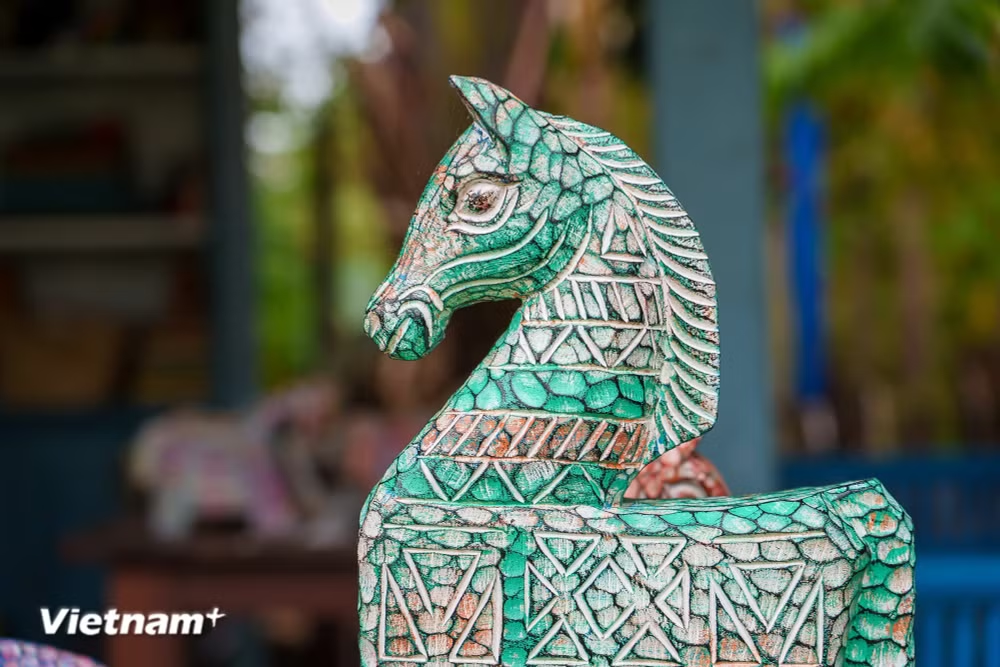
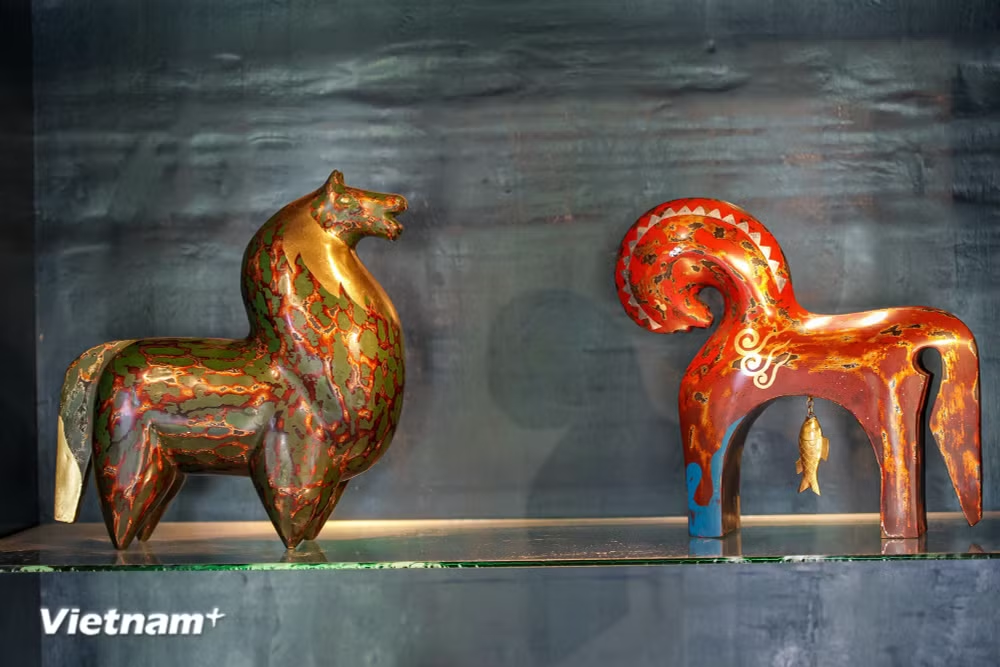
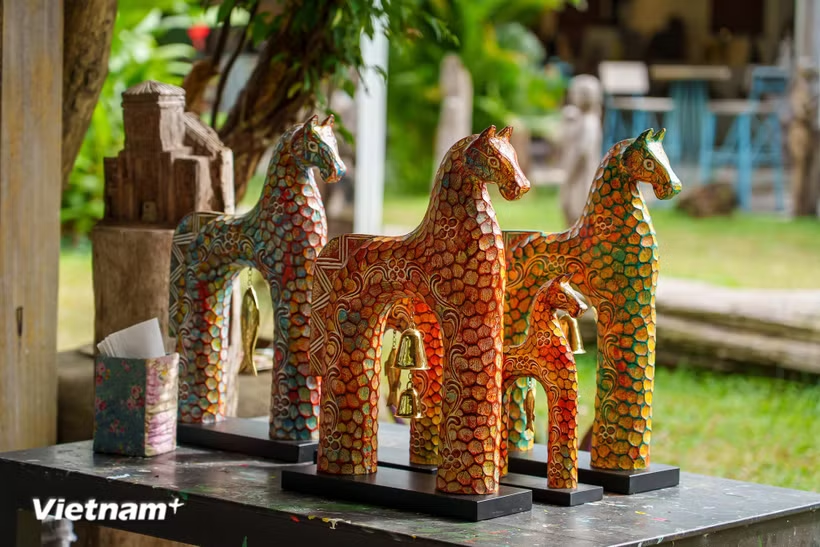
During the Tet holiday, Le Ngoc Thuan’s “Flood Driftwood Village” has become a lively destination for visitors seeking more than photographs; they come to experience stories of renewal carved into weathered timber.
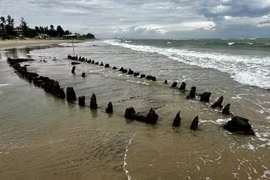
Following historic floods that swept through central Vietnam in 2025, riverbanks were left strewn with broken roots and waterlogged wood. What many saw as debris, local artisans recognised as material rich with memory and meaning.
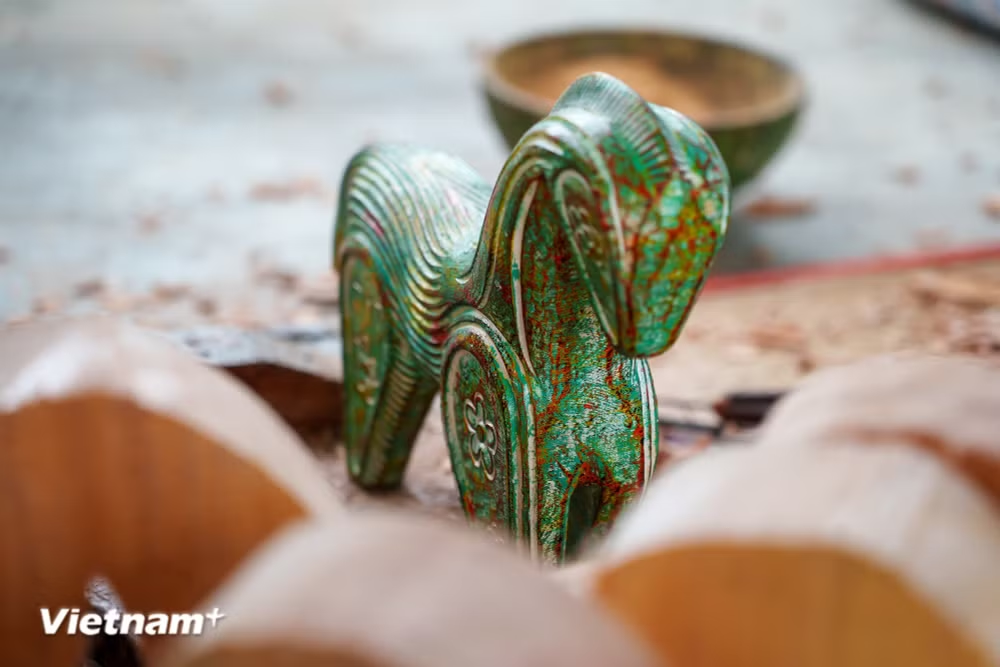
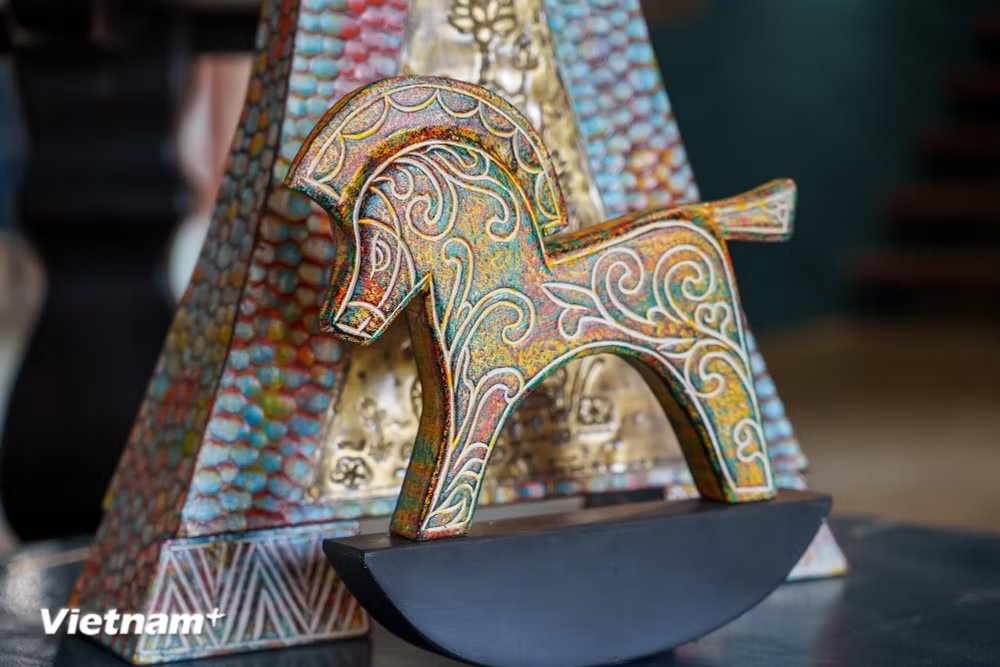
From these discarded fragments, 28 unique horse sculptures were created to welcome the Year of the Horse 2026. Each piece, according to artisan Le Ngoc Thuan, carries a story of loss or hope, transforming nature’s scars into symbols of perseverance, a defining spirit of the region.
Further downstream, Thanh Ha pottery village is celebrating a particularly vibrant Tet after being named Best Community Tourism Destination 2025, a recognition that has reinvigorated local pride.
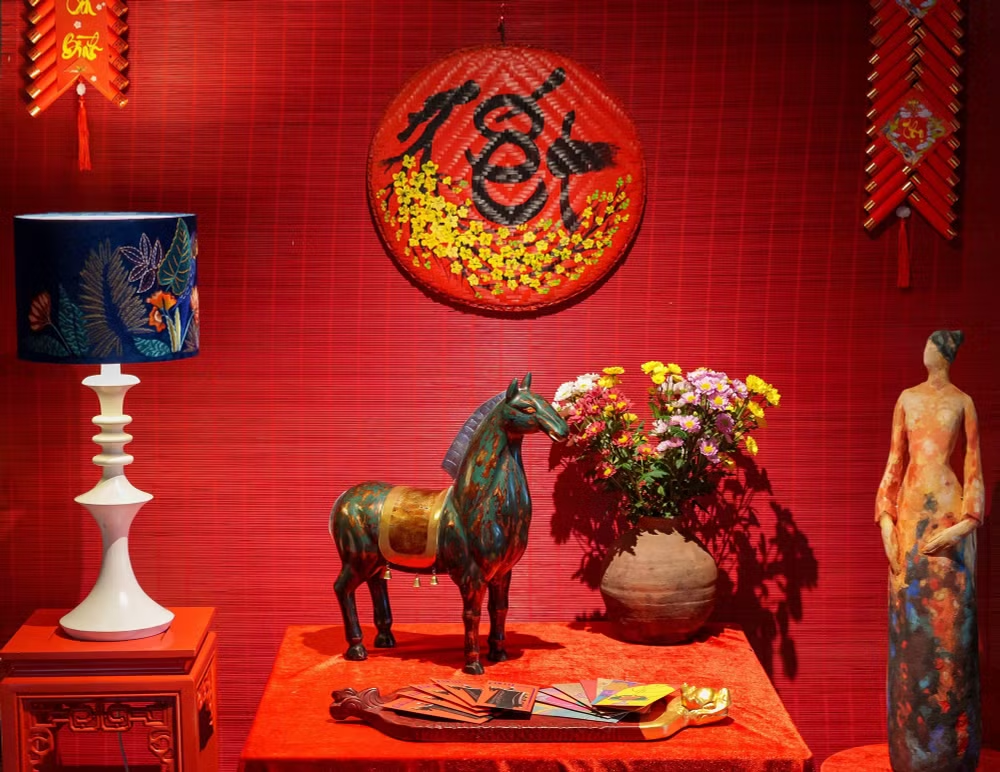
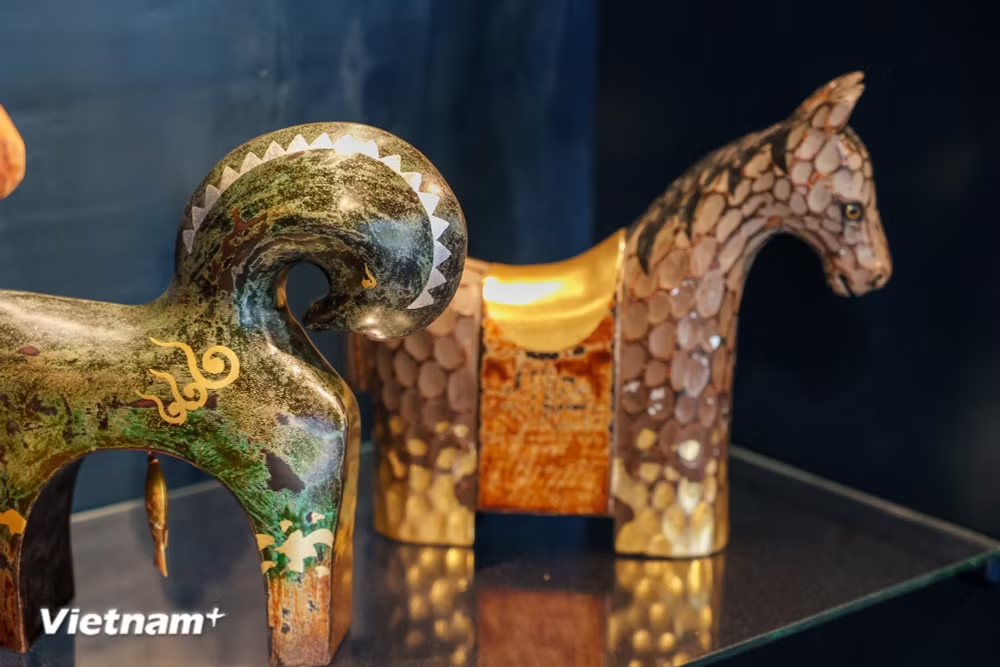
In contrast to the rugged driftwood horses, Thanh Ha’s terracotta creations embody abundance and prosperity. Rather than heroic war horses, young artisans have crafted “Loc Ma,” plump, graceful horses with gentle movements and an almost noble character, reflecting contemporary aesthetics.
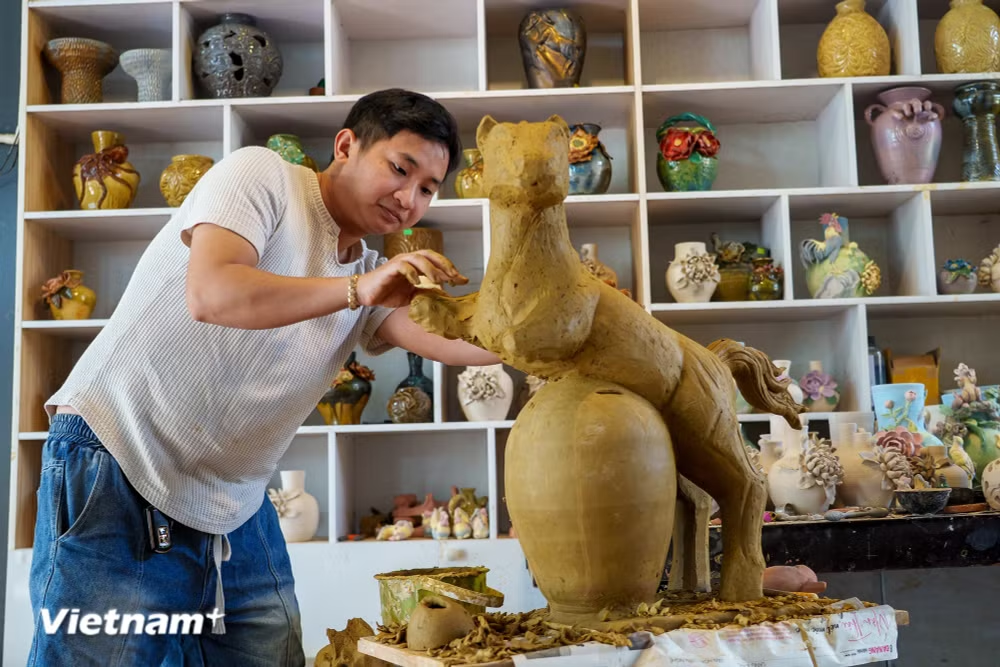
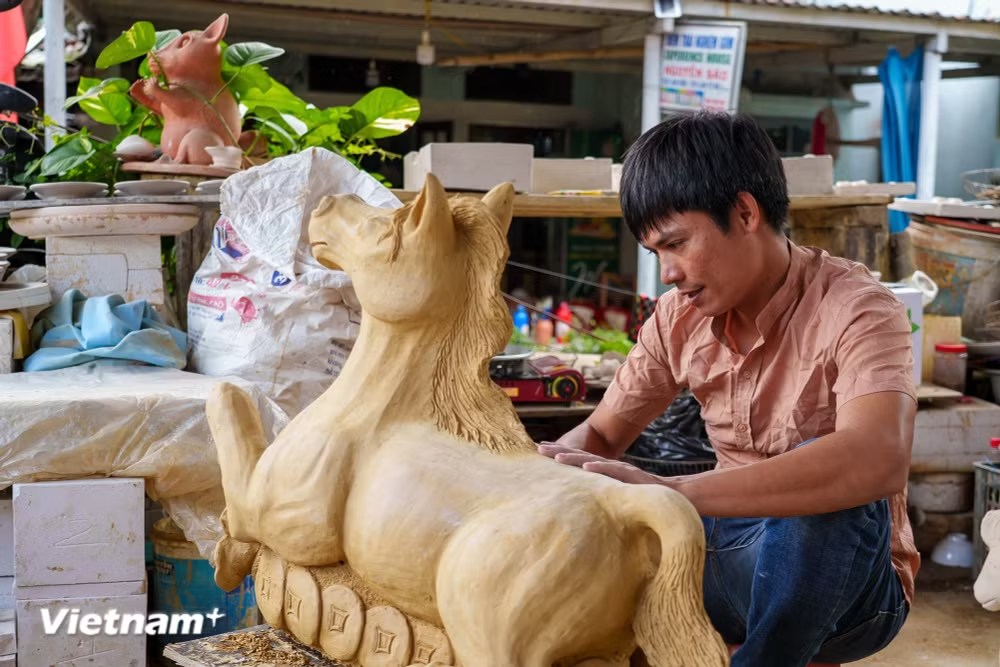
Creating each figure is painstaking work, requiring roughly 500–600 hours of craftsmanship. Yet the effort reflects a broader transformation underway: a younger generation breathing new life into an ancient craft.
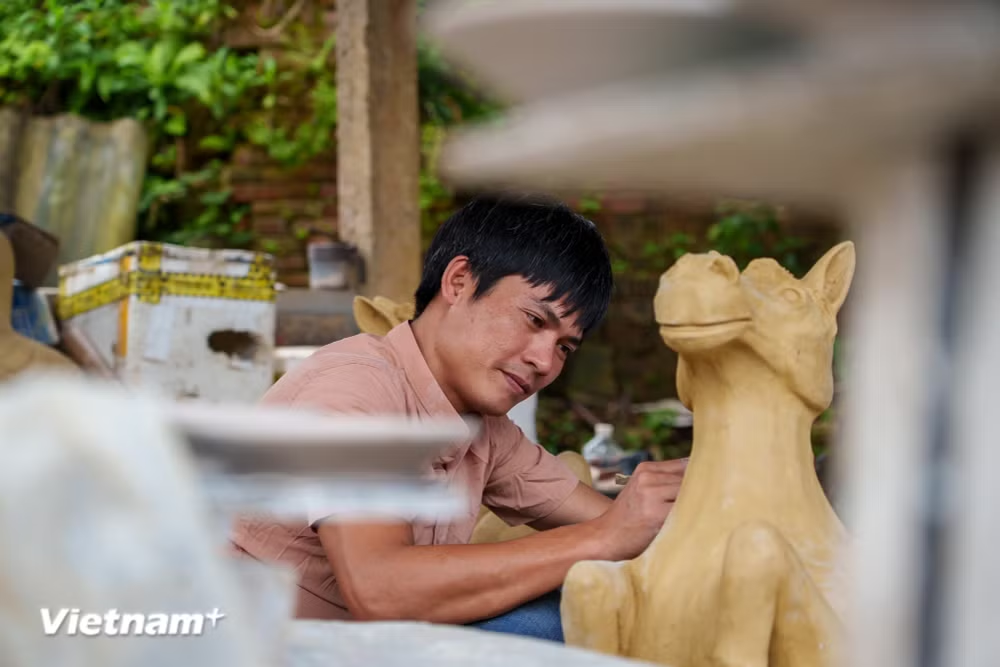
While preserving traditional techniques, artisans are embracing innovation through glazed finishes, richer decorative details, and environmentally friendly electric kilns. This openness has helped Thanh Ha Pottery not only survive but confidently reach international audiences.
Under golden spring sunlight, international visitors watching artisans at work offer vivid proof of Hoi An’s cultural appeal. Many remark that handmade creations possess a uniqueness no machine can replicate.
Witnessing the handcrafted production process, a male visitor from Israel said while machines around the world can create many things, the beauty of a product entirely shaped and imbued with spirit by human hands like this horse mascot is truly unique and impossible to replicate by machinery.
Though made from different materials, clay drawn from the riverbed and driftwood carried downstream, both artistic traditions converge in a shared message of renewal and ambition.
The Year of the Horse 2026 carries added significance as it marks a new development phase following administrative changes linking Quang Nam and Da Nang, opening broader opportunities for regional growth.
Whether sculpted from flood-scarred wood or shaped from warm terracotta, the horse has become a symbol of collective hope, carrying the aspirations of local people toward a future of prosperity.
Along the Thu Bon River, the echo of invisible hoof beats seems to signal a new journey: one where heritage and modernity move in stride, guiding this cultural land toward global horizons and sustainable growth./.