Hanoi (VNA) - In its earliest days, the area was known as the “Coconut Garden” due to the abundance of coconut trees lining the lake. Under French colonial rule, it was renamed Place Négrier and became one of Hanoi’s central squares, notorious as a site where patriotic scholars were publicly executed.
In 1907, a group of nationalist intellectuals led by Luong Van Can and Nguyen Quyen established the Dong Kinh Nghia Thuc School nearby. The school offered free lessons in the Vietnamese and modern sciences. It also hosted public lectures and published books and newspapers to promote patriotism and progressive ideas. Though it was shut down by the French colonial authorities after just a few months, the school left a profound legacy in Vietnam’s struggle for independence.
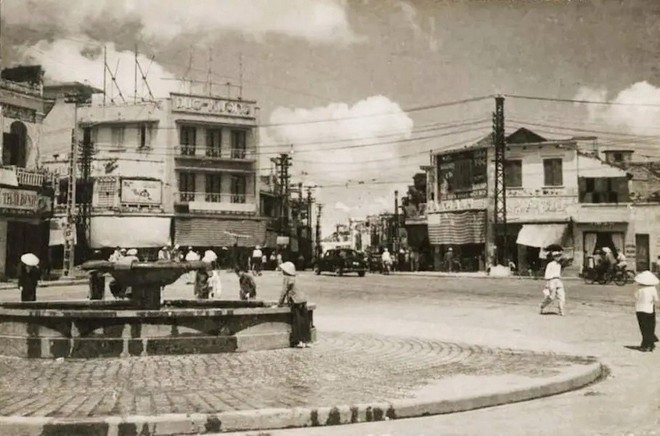
Following the August Revolution in 1945, Hanoi authorities renamed Place Négrier to Dong Kinh Nghia Thuc Square in honor of the school and its mission. The decision was signed by Mayor Tran Van Lai, who was known for promoting the use of Vietnamese as the official language in government administration.
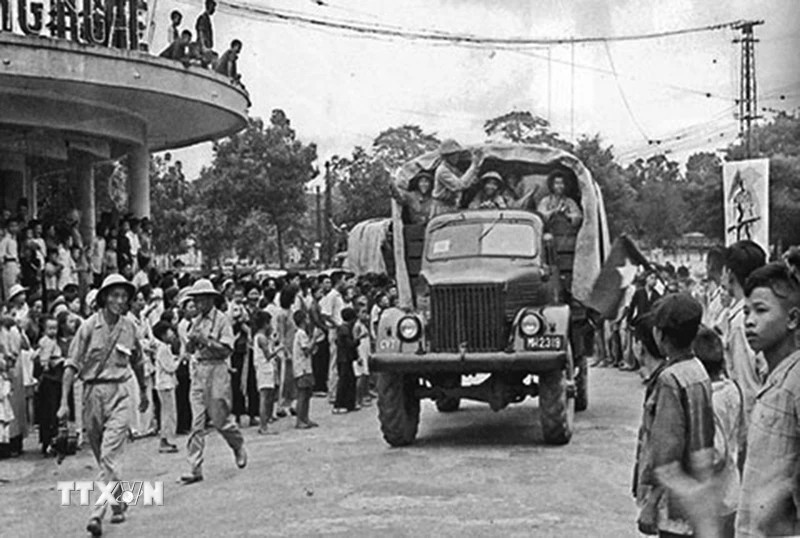
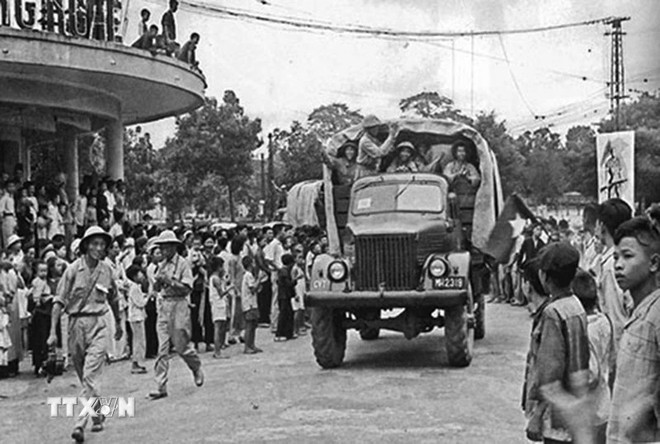
During the resistance war against French colonialism, the square continued to serve as a focal point for historic events. On December 24, 1946, it was the site of a fierce battle between Vietnamese self-defense forces and French troops, marking the beginning of the nationwide resistance. Later, on October 10, 1954, as Hanoi was officially liberated, Brigade 308 marched through the square in a momentous celebration of freedom.
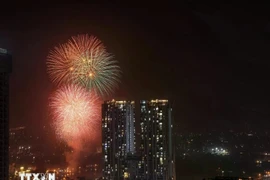
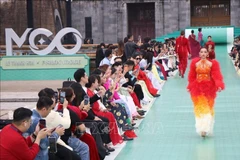
Today, Dong Kinh Nghia Thuc Square is an integral part of the pedestrian zone surrounding Hoan Kiem Lake. It regularly hosts major cultural and artistic events—particularly during Tet, New Year’s Eve, and other national holidays. On these occasions, thousands of locals and tourists gather at the square to celebrate and reflect on the city’s proud history.
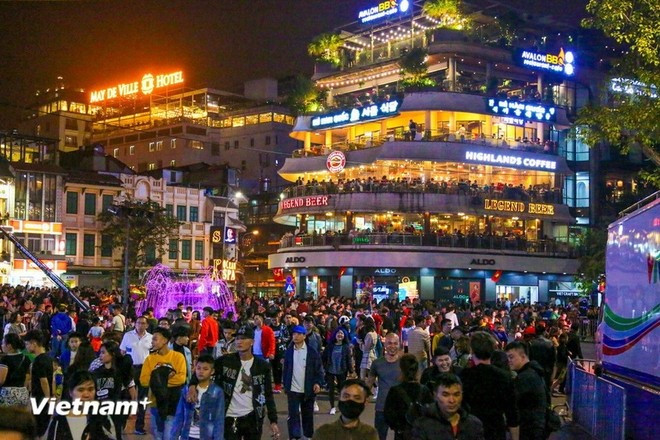
More than just a tourist attraction, the square is regarded as a "living heritage" of Hanoi. It preserves the memory, traditions, and patriotic spirit of generations past. For many Hanoians, Dong Kinh Nghia Thuc is not merely the name of a square—it is a symbol of sacrifice, resilience, and Vietnam’s enduring quest for renewal and independence.
Over the years, the square has also witnessed Hanoi’s transformation into a dynamic capital. Its central location, surrounded by historic streets and iconic landmarks, makes it a natural gathering point for civic life. Street performances, weekend markets, and youth-led cultural programs often bring the square to life, blending Hanoi’s past with its vibrant present. This unique atmosphere allows visitors to connect with both the city's heritage and its ongoing story of renewal./.