Hanoi (VNA) - In 2025, as the global economy continues to face complex and unpredictable developments, Vietnam is entering a pivotal stage with ambitious growth targets while proactively addressing major external challenges.
To achieve the goal of 8.3%–8.5% GDP growth in 2025 and lay a solid foundation for double-digit expansion in 2026–2030, Prime Minister Pham Minh Chinh signed Official Telegram No. 133 on August 12. The document outlines urgent and comprehensive measures, reflecting the Government’s strong resolve to sustain growth momentum while shaping a high-quality and sustainable economy.
Over the past seven months, Vietnam’s economy has recorded remarkable and broad-based achievements, affirming its resilience and adaptability under the close leadership of the Party and the decisive direction of the Government. However, for the remaining months of 2025 and beyond, the Government has foreseen that challenges and difficulties will outweigh opportunities and advantages.
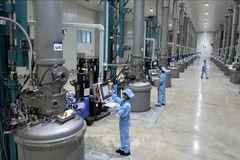
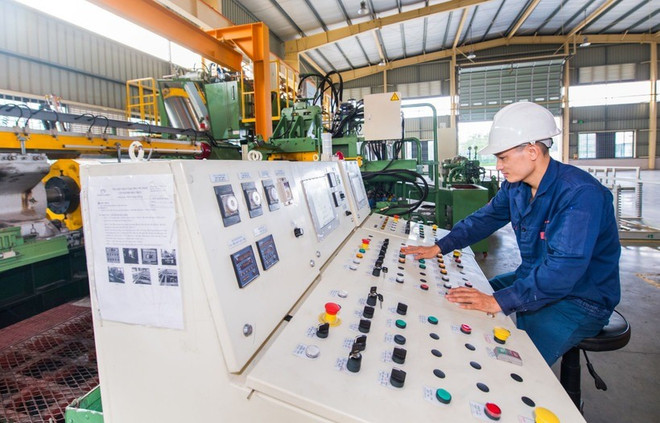
Nguyen Thi Huong, Director General of the General Statistics Office, highlighted positive signs in the economy, consistent with Government orientations. Agriculture, forestry, and fisheries have maintained stable growth, serving as a “support base” for sustainable exports and consumption. The Index of Industrial Production (IIP) rose 8.6% in the first seven months, with manufacturing and processing up 10.3% - the highest growth for the period since 2020, showing strong momentum in production.
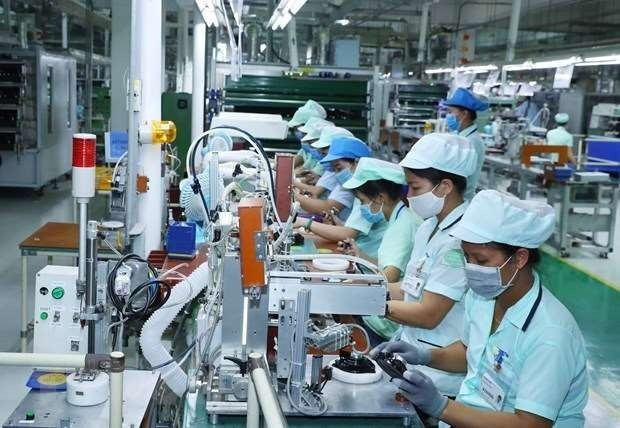
Business activities have also been vibrant, with 174,000 new enterprises entering the economy – 1.2 times higher than those withdrawing from the market. Additional registered capital exceeded 3.3 quadrillion VND, up 93.7% year on year. The average consumer price index (CPI) rose 3.26%, lower than the 4.12% increase in the same period of 2024, showing effective inflation control and a stable environment for production, business, and people’s livelihoods.
To achieve the 8.3%–8.5% target, economists have analysed growth drivers and proposed suitable solutions. Dr Nguyen Duc Do, Deputy Director of the Institute of Economics and Finance, stressed the need to mobilise all growth drivers in the remaining months of 2025. He noted that Vietnam’s savings rate, at 36%–37% of GDP, remains higher than investment, at around 31%–32% of GDP, indicating unused potential to stimulate both investment and consumption.
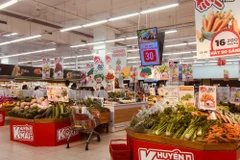
He also supported measures to boost domestic demand, such as the Ministry of Finance’s proposal to increase personal income tax deductions for taxpayers to 15.5 million VND/month and for dependants to 6.2 million VND/month. This would raise disposable household income. Additionally, he endorsed the State Bank of Vietnam’s decision to raise the credit growth cap to 16% and to maintain stable interest rates, which would help stimulate investment and consumption.
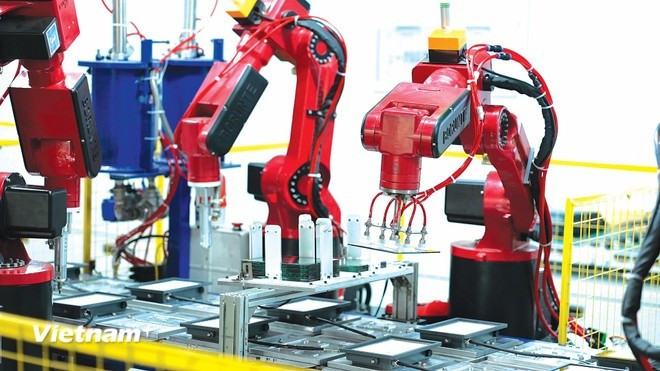
One of the biggest challenges is the United States’ new tariff policy. According to Nguyen Thi Huong, the U.S. Government’s 20% tariff on goods of Vietnamese origin, effective August 7, will inevitably impact exports and foreign direct investment (FDI). Export growth to the U.S. could slow in late 2025, especially in 12 key product groups.
However, Huong remained optimistic: “Vietnam’s overall export growth in 2025 is still expected to remain high, thanks to effective use of advantages from signed Free Trade Agreements.”
She stressed that in the long term, Vietnam should continue improving its investment environment and supporting domestic enterprises to expand trade, diversify markets, and enhance competitiveness.

Looking to the 2026–2030 period, Dr Dang Duc Anh, Deputy Director of the Institute for Policy and Strategy Research, outlined strategic orientations for improving growth quality, including average annual labour productivity growth of 8.1%–8.6% and a total factor productivity contribution of 55%.
Overall, Vietnam’s economy over the past seven months showed signs of recovery with bright spots in production, trade, and services, affirming the effectiveness of Government policies./.