Nghe An (VNA) – From the perspective of students at universities in the central province of Nghe An, who are often referred as Gen Z, the election of deputies to the 16th National Assembly and People’s Councils at all levels for the 2026–2031 term represents not merely an administrative procedure but an important milestone in political maturity. For many first-time voters, each ballot reflects trust and responsibility towards the nation’s future.
From campus life to national festival
In mid-March 2026, preparations for the election day on March 15 have created a vibrant atmosphere at Vinh University, where discussions about the nationwide event extend beyond classrooms into dormitories and student forums.
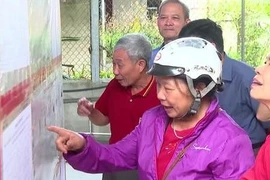
With more than 19,000 students, the university has been selected as a polling station for residents of residential area No. 6, Truong Vinh ward. At Hall A, the election’s focal venue, the list of over 1,000 voters and summaries of 21 candidates have been publicly displayed early.
Tran Chau Thanh, deputy director of the university’s dormitory centre, said staff conducted a “door-to-door” awareness campaign to help students understand not only their legal rights and obligations but also the significance of each vote in representing the people’s will.
The direct engagement has helped first-time voters overcome initial uncertainty. Many students have actively studied candidates’ action programmes before voting, demonstrating a more proactive and practical political awareness among young voters.
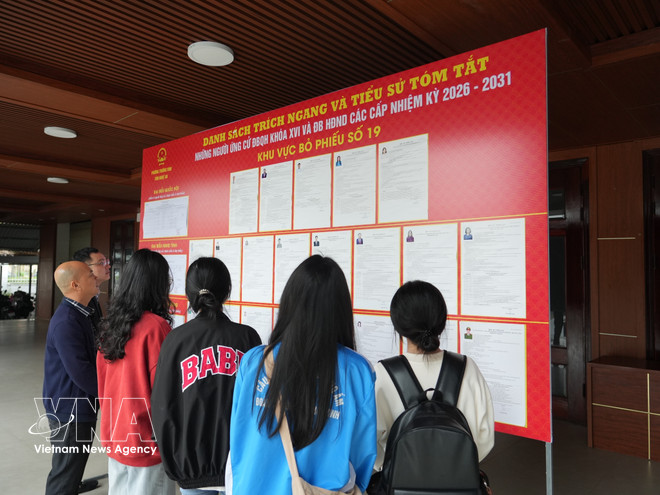
Le Thuy Huong, a law student, said participating in her first election is a meaningful experience, allowing her to help select representatives who genuinely reflect public aspirations. Meanwhile, Nguyen Thu Giang, a literature student and would-be teacher, paid particular attention to candidates’ education policies, especially those related to teacher welfare and improving learning conditions.
Civic responsibility in digital era
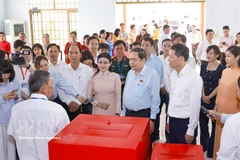
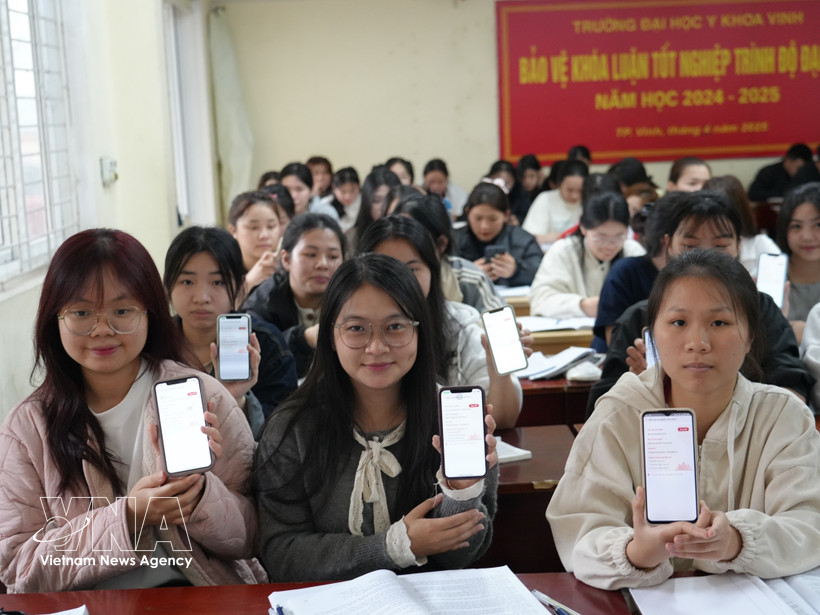
At Vinh Medical University, preparations are also under way, with more than 700 boarding students set to vote alongside local residents at a community cultural house.
A notable feature of this election is the application of digital technology, as students are guided to use the VNeID application to verify and update personal information, helping streamline voter verification.
Tran Tu Uyen, an 18-year-old nursing student from Phu Tho province, expressed pride in exercising her civic rights away from home, describing the experience as unforgettable.
To ensure discipline and responsibility, university officials require students to submit voter cards bearing confirmation stamps after voting, helping foster civic awareness and participation in socio-political activities.
This election also features candidates from academic institutions, including Nguyen Van Tuan, Rector of Vinh Medical University, and lecturer Nguyen Thi Nga, who are running for seats in the provincial People’s Council. Tuan said that, if elected, he hopes to contribute his medical expertise and management experience to developing high-quality human resources for the province.
University representatives emphasised that accurate voter registration is essential to ensuring a democratic and lawful election process, while educators view the event as an opportunity for young intellectuals to demonstrate responsibility and engagement with national affairs.
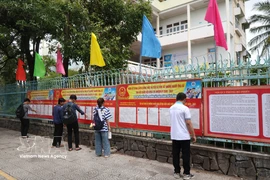
As banners and slogans line campus roads, students’ enthusiasm continues to build toward the election day, with each Gen Z vote contributing to what is widely regarded as an all-people festival./.