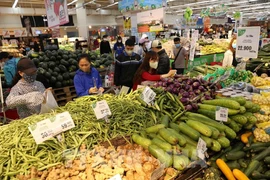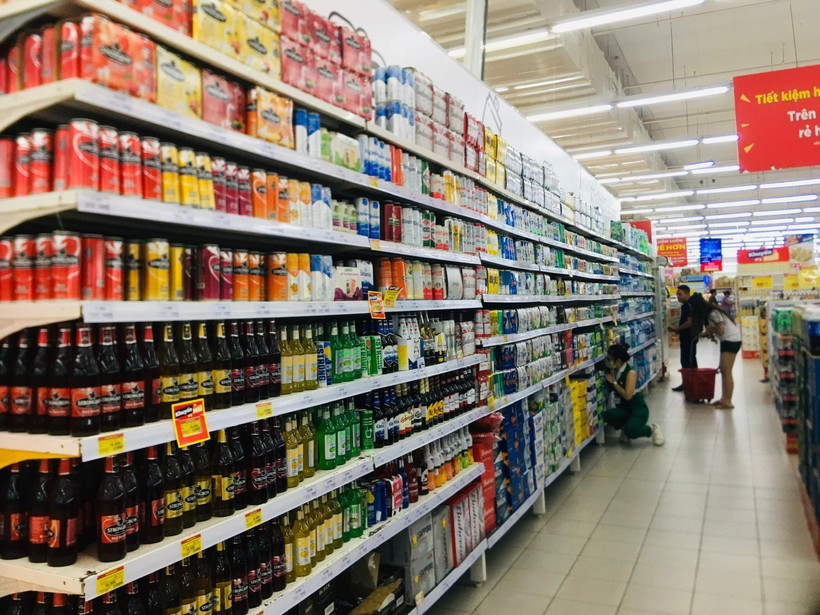
Hanoi (VNA) - The average consumer price index (CPI) for the first nine months of 2025 increased by 3.27% year-on-year, pressuring people's livelihoods, mainly due to the rising prices of education and healthcare services, food, and housing maintenance materials.
According to the National Statistics Office (NSO) under the Ministry of Finance, in the period, the prices of food and catering services gained 3.3%, contributing 1.11 percentage points to the headline CPI. Housing, electricity, water, fuel and construction materials prices rose 6.14%, adding 1.16 percentage points, driven primarily by higher rents and housing maintenance expenses.
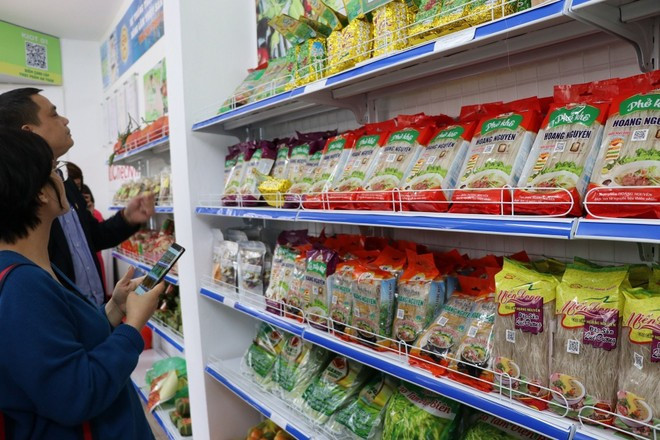
Healthcare and medicine prices jumped 13.48%, boosting the CPI by 0.73 percentage points. Education prices also inched up 1.81%, contributing 0.11 percentage points, in the wake of tuition adjustments at certain private preschools and universities for the 2025-2026 school year.
As for other goods and services, they went up 5.37%, adding 0.19 percentage points, spurred by rises in notary fees, insurance premiums, personal goods and ceremony services.
Countervailing pressures included a 2.9% drop in transport prices, which subtracted 0.28 percentage points from the CPI, chiefly on account of fuel’s 10.63% tumble. Postal and telecom prices, for their part, eased 0.47%, shaving off 0.01 0.73 percentage points, as older mobile devices saw price reductions.
Regarding core inflation, the NSO reported that the average core inflation for the first nine months increased by 3.19% compared to the same period last year. This rate was lower than the overall average CPI increase of 3.27%. This is mainly because items such as food, fresh produce, energy, and state-managed goods and services, like healthcare and education, which are key drivers of the overall CPI, are excluded from the core inflation calculation.
Nguyen Thu Oanh, Head of the NSO’s Service and Price Statistics Department, said that the nine-month CPI rose by 3.27% year-on-year, while core inflation recorded an increase of 3.19%. This reflects a macroeconomic landscape influenced by multiple factors, ranging from the costs of essential services to fluctuations in global markets.
In September, the index edged up 0.42% from the previous month. It climbed 2.61% from December 2024 and 3.38% from a year earlier.
Increases were recorded in 10 out of 11 major groups of goods and services. Among these, the education group saw the most notable rise.

Oanh analysed that the education group increased by 2.22%, with education service prices rising by 2.43%. This was mainly due to tuition fee adjustments for the 2025–2026 academic year at several private universities, high schools, and preschools in many localities. Meanwhile, public schools continued to benefit from tuition exemption, reduction, and support policies under Government Decree No. 238/2025/ND-CP. In addition, the prices of stationery items (such as pens, paper products, and textbooks) also recorded a slight increase.
Domestic gold prices in September leaped 6.53% month-on-month, up 55.4% year-on-year and 45.42% from December 2024. Average gold prices during January-September rose 41.86% year on year.
The USD/VND exchange rate also nudged higher by 0.3% from August, as import-related foreign currency demand picked up and public holding of the US dollar swelled under a looser monetary policy./.