Hue royal cuisine – Vietnamese cultural elegance in every dish

Far more than mere sustenance for emperors and the royal court, Hue’s royal cuisine embodies a profound philosophy of life – a harmony between humanity, nature, and the universe.

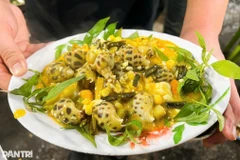
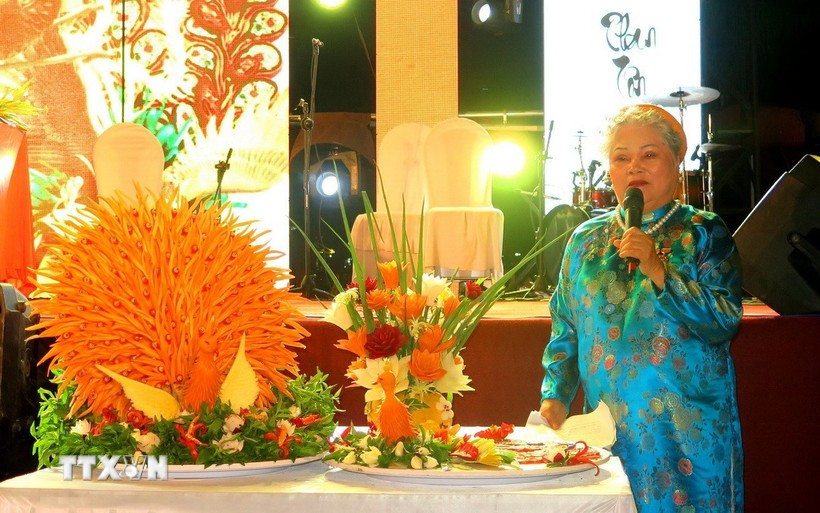
People’s Artisan Ton Nu Thi Ha introduces nem cong (peacock spring rolls) and cha phuong (phoenix patties) of Hue. (Photo: VNA)

Hanoi (VNA) - Regarded as the pinnacle of Vietnamese culinary art, Hue’s royal cuisine reached its most brilliant and refined expression during the Nguyen Dynasty (1802 – 1945), the country’s last imperial reign.

Created to meet both the nutritional and medicinal needs of the emperors, it became a symbol of majesty, privilege, and a clear distinction between royalty and commoners.

It inherited northern Vietnamese culinary traditions, the cooking styles of the south, and the distinctive influences of ancient Champa cuisine. Notably, envoys returning from diplomatic missions would present the king with delicacies from afar. Those that impressed the monarch would be added to the royal menu and passed down through generations.

Royal cuisine was governed by a wealth of rules and rituals, covering every aspect from ingredient selection to cooking techniques, table arrangement, service etiquette, and the style of dishes used. Ingredients were always fresh, rare, and meticulously chosen. Preparation was elaborate, with an emphasis on nutritional value according to traditional medicine, and on presentation that delighted the eye as much as the palate.

Unlike the bold, hearty flavours often found in common fare, Hue royal cuisine favours a gentler, more delicate profile – highlighting purity with minimal oil, and avoiding excessive sweetness or saltiness.

Preparing food for the king demanded strict adherence to ceremony – from the order in which dishes were served, to the precise timing, and the flawless arrangement of the banquet tray. At times, the meal had to be prepared from dawn to be presented at an auspicious hour according to the imperial calendar.

Dishes at a royal banquet typically fell into three main categories: starters (light savoury bites such as salads and spring rolls), main courses (meat, fish, soups), and desserts (sweet soups, confections, and rare fruits).

Signature dishes of Hue’s royal cuisine include nem cong (peacock spring rolls) and cha phuong (phoenix patties) – once made with rare meats, now adapted with chicken and pork to suit modern conditions. The meticulous preparation and exquisite presentation remain unchanged, preserving their aura of regal splendor.

Royal cakes such as phuc linh (tapioca coconut melting cookies), ngu sac (five colours), and phu the (husband and wife), prized not only for their flavour but for their elaborate, visually striking forms. These often featured in important royal ceremonies, rich with symbolism and tradition.

Com ngu, also known as the king’s meal, reflected a philosophy of purity and refinement. It might include steamed fish wrapped in lotus leaves, fresh vegetables with shrimp paste, lotus seed soup, and caramelised pork.

Edible bird’s nest (made from the saliva of swiftlets) was a prized ingredient in the imperial kitchen, reserved for grand banquets. It was prepared in delicate dishes such as bird’s nest soup, bird’s nest stewed with pigeon, or sweet bird’s nest dessert.

Royal sweet soups, meanwhile, are not merely desserts but a culinary art form in their own right, elevated into over 36 distinctive varieties.

Today, many restaurants, hotels, and tour operators in Hue recreate the royal banquet for visitors from home and abroad. This revival not only introduces the splendour of Hue’s imperial cuisine to the wider world, but also weaves together tourism, culture, and gastronomy – enriching the central city’s appeal and safeguarding national heritage in the face of globalisation./.
VNA

See more

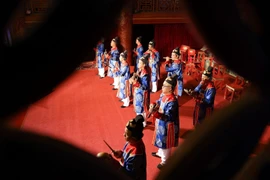
Illustrative image (Photo: VNA)

Vietnamese carriers cancel, delay flights due to looming typhoon

Vietjet told passengers traveling to and from Da Nang, Phu Bai, Lien Khuong, Chu Lai, Phu Cat, Tuy Hoa, Pleiku, Buon Ma Thuot, Cam Ranh and Dong Hoi airports to monitor flight schedules and weather conditions before heading there, check the “My Flight” tab on www.vietjetair.com, its mobile app or airport counters for real-time changes.

Foreign tourists explore Tuyen Quang tourism. (Photo: VNA)

Vast potential for mountain tourism

Despite their natural and cultural richness, Vietnam’s geopark-based tourism remains underdeveloped, with noticeable gaps in both quality and sustainability.

Residents in the buffer zone of the UNESCO-recognised Western Nghe An Biosphere Reserve (Photo: VNA)

Vietnam's World Biosphere Reserves eye to become ideal destinations

Vietnam's World Biosphere Reserves have truly become a rendezvous for integration, cooperation, and the exchange of information and experiences among countries and international organisations in the field of conservation and sustainable development, as well as an ideal destination for domestic and international tourists, heard a conference in the central province of Khanh Hoa on November 3.

World Travel Awards help Vietnam’s eco-tourism take flight

World Travel Awards help Vietnam’s eco-tourism take flight

Vietnam outshone many strong regional nominees to claim top honours in key natural tourism categories at the 2025 World Travel Awards (WTA) for Asia and Oceania, held on October 13 in China’s Hong Kong Special Administrative Region (HKSAR).

Hanoi is hosting numerous autumn events and festivals to attract visitors. In the photo: Scene from the 2025 Hanoi World Culture Festival at the Thang Long Imperial Citadel Heritage Centre. (Photo: hanoimoi.vn)

Vietnam ramps up to attract int'l tourists during peak travel season

To attract more international visitors, Vietnam needs to expand tourism products such as MICE (meetings, incentives, conferences, and exhibitions) tourism, golf tourism, and green tourism. Localities should develop and select new, distinctive tours and tourism services tailored to specific markets.

Cruise ship Piano Land carrying about 1,000 tourists from China docks at Ha Long International Cruise Port. (Photo: VNA)

Chinese tourists stream back to Quang Ninh province

Large-scale events like such as a MICE tour of nearly 1,000 Chinese visitors traveling by land, the Beihai–Ha Long cruise routes, and the charter flights between Shenzhen (China) and Van Don (Vietnam) have been a robust signal to the local tourism, which is striving to welcome 1.25 million international arrivals in Quarter 4 to complete its yearly target of 21.2 million visitors, including 4.09 million foreigners.

Chinese tourists visit Ho Chi Minh city (Photo: VNA)

Vietnam promotes itself as friendly destination for Chinese tourists

China remains Vietnam’s top outbound tourist market, with over 5.8 million visitors annually, accounting for around 30 % of international arrivals to Vietnam. In 2024, nearly 3.74 million Chinese tourists visited Vietnam, recovering over 64 % of pre-COVID levels, with nearly 3.9 million arrivals in the first nine months of this year.