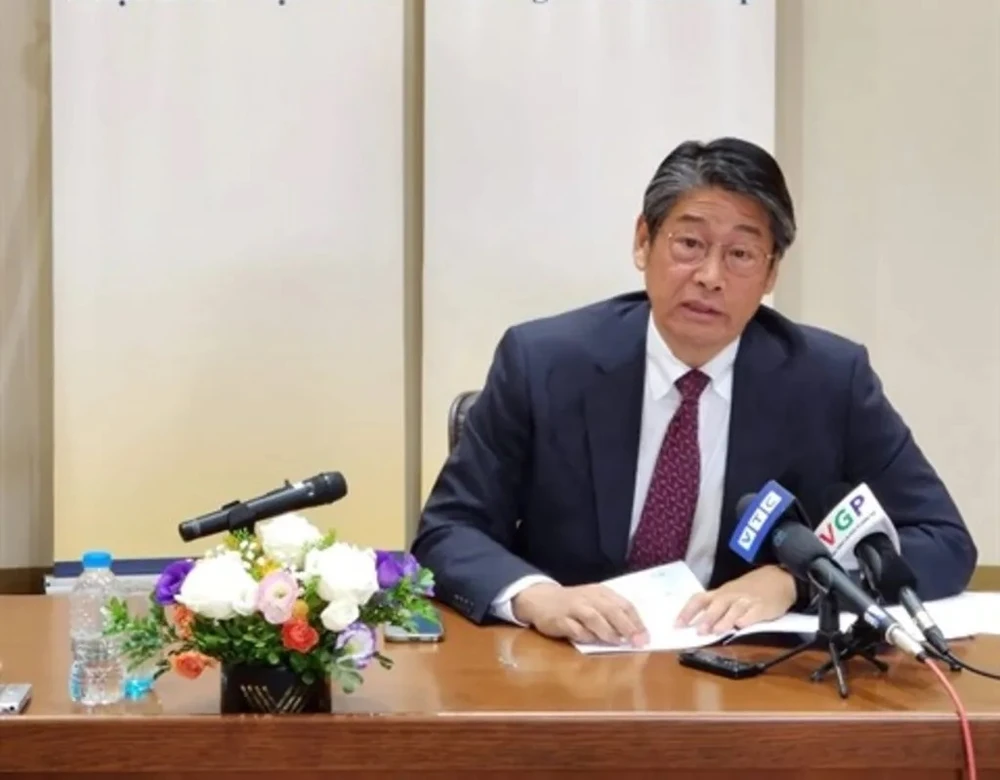
Hanoi (VNS/VNA) - The Japanese Government is committed to creating happier and better living conditions for Vietnamese workers to help them contribute more effectively to Japanese society and the economy, according to Japanese Ambassador to Vietnam Naoki Ito.
"Vietnamese workers are highly valued by Japanese businesses for their adaptability and ability to quickly familiarise themselves with new working environments and production operations," he said in a recent interview with the media.
About 430,000 Vietnamese are currently working in Japan under various visa statuses, including technical interns/trainees, specified skilled workers, engineers, and specialists.
According to the Vietnamese Ministry of Labour, Invalids and Social Affairs (MoLISA), half of all Vietnamese workers going abroad in recent years have chosen Japan.
Vietnamese workers primarily work in manufacturing sectors such as mechanical engineering, textiles, footwear, and electronics assembly, which account for 80% of the workforce. The remainder are employed in construction, agriculture, fisheries, and services.
"I think it's important to take measures so that future generations of Vietnamese workers will still want to work in Japan," Ambassador Ito said.
Improving conditions for Vietnamese workers will require joint efforts from both governments and businesses, he added.
The ambassador emphasised the need for enhanced legal regulations, particularly in the foreign worker training system, to protect the rights and benefits of foreign workers in Japan, including Vietnamese.
He referenced adjustments to the Technical Intern Training Programme confirmed in June, which are expected to take effect within two to three years. These changes will allow foreign workers in Japan to change jobs if they face abuse, harassment, or force majeure situations — a provision previously unavailable.
Ito also highlighted the issue of high brokerage fees paid by Vietnamese workers to labour-exporting companies. He said Japanese employers must help reduce these fees and noted that specific policies to address the issue are being developed.
To help Vietnamese workers live comfortably and with peace of mind, the Japanese Embassy has held seminars in various localities to provide information on Japanese laws and regulations. These seminars cover current and upcoming policies, including the consequences for absconding workers and options for female workers who become pregnant.
Japanese authorities are also collaborating with the International Organisation for Migration (IOM) to create pamphlets and other informational materials to educate workers about Japan's medical systems.
"I recently had in-depth discussions with Vietnamese workers in Japan's Technical Intern Training Programme, as well as with prospective participants, Japanese employers, and trade unions, to share information and address their concerns," Ito said.
He explained that many Vietnamese workers in Japan lived on campuses overseen by managers appointed by the trade unions of their employers. These managers will act as "mother figures", providing support, advice, and timely intervention when needed.
"While not all businesses have adopted this support system, we hope this model can be replicated to improve living and working environments for Vietnamese workers," he added.
Protecting rights
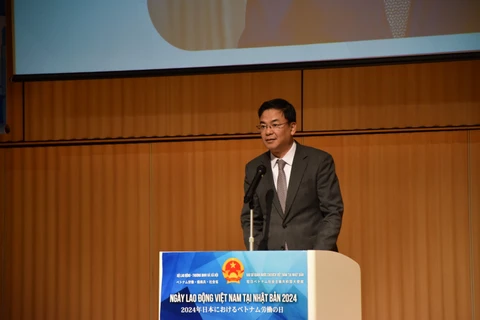
Vietnamese Ambassador to Japan Pham Quang Hieu, speaking at the first-ever Vietnamese Labour Day in Japan held in Tokyo last weekend, praised Japan's adjustments to foreign labour recruitment policies, saying they will ensure better protection of workers' rights and provide opportunities for personal and career development.
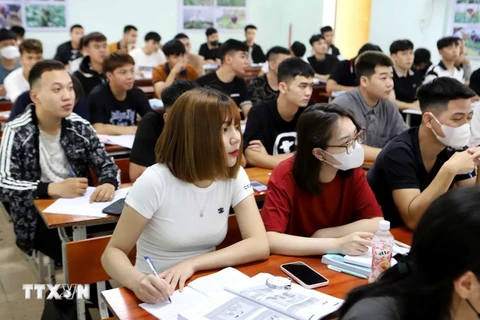
Most Vietnamese workers in Japan are diligent and hard-working, striving to improve their Japanese language proficiency and technical skills, according to Hieu.
Thanks to their dedication and the guidance of employers and managing unions, many Vietnamese workers have become skilled and core employees, contributing to their companies’ growth and fostering cooperation and friendship between the two nations.
MoLISA Deputy Minister Nguyen Ba Hoan stressed that protecting the rights and interests of Vietnamese interns and workers in Japan will help ensure a symbiotic relationship and provide high-quality human resources for Japanese businesses.
He called on Japanese companies to focus on the wellbeing of Vietnamese workers, improve their benefits, and support them during challenging times, such as the current period of high inflation and a weak yen.
Hoan expressed confidence that with support from Japanese employers and the efforts of Vietnamese workers, human resources cooperation between the two countries will grow to a more sustainable level. He said young Vietnamese workers will continue to choose Japan as a destination to work and develop their skills.
Japanese Deputy Minister of Justice Komura Masahiro stated the country’s commitment to improving the Technical Intern Training Programme by addressing issues such as high brokerage fees and illegal intermediary interference.
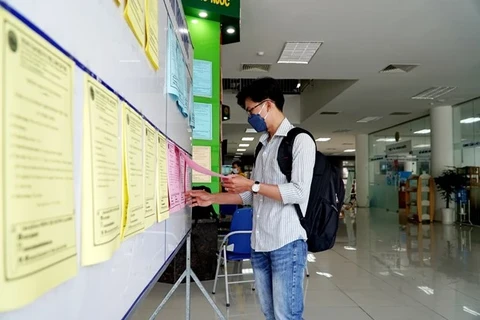
The Japanese Ministry of Health, Labour and Welfare (MHLW) is working with the Japan International Cooperation Agency (JICA) to create recruitment platforms and is discussing a bilateral social insurance agreement, according to Deputy Minister Yoko Wanibuchi of the MHLW.
The ministry is also cooperating with the International Labour Organisation (ILO) on social welfare development through technical assistance./.