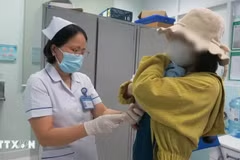
Rampant abuse of antibiotics by the general public and doctors is seeingan alarming increase, and will only lead to more resistance of the drugin patients, experts have warned, as quoted by Sai Gon Giai Phong.
Medical experts say that people should use antibiotics only when theyare suffering from some sort of infection. However, in Vietnamantibiotics are used for even ordinary treatments. People look uponantibiotics as miraculous healing medicines and hence self-medicate bybuying the drug from nearby pharmacies even for ailments likeexhaustion, cough and cold.
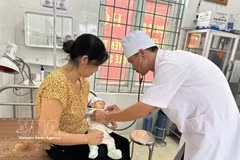
Dr. Tran Minh Dien,Deputy Director of the National Children Hospital in Hanoi, said thatpeople often self-medicate their children with the drug. According to ahospital survey, up to 44 percent of parents use the drug before takingtheir child to a hospital.
Meanwhile, as per aMinistry of Health study, awareness of correct use of antibiotics amongpeople and medicine retailers in rural districts in the northernprovinces is still very low.
According to thePharmacy University in Hanoi, the rate of Vietnamese people usingantibiotics is five times higher than in European countries. The rateamong people in urban areas is 88 percent while in rural areas it is 91percent.
Rampant and overuse of antibiotics couldharm patient’s health and even prove hazardous and fatal. Cao Hung Thai,Deputy Chief of the Medical Examination and Treatment Department underthe Ministry of Health, said it is often seen that people don’t take afull course of antibiotics and hence build up resistance against thedrug. Consequently, the drug fails to affect during regular treatment.
Dr. Dien noticed that parents use antibiotics for children indiscriminately, leading to complications or even deafness.
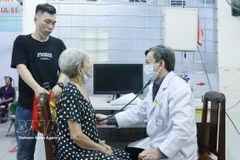
Medical experts warn that physicians should take initiative not toabuse antibiotics in prescriptions and instead study the drug history ofpatients. In addition, concerned agencies should strengthen awarenessof antibiotics among people to prevent abuse.
Antibiotics, first used in the 1940s, are certainly one of the greatadvances in medicine. But overuse of antibiotics has made existing“wonder drugs that worked for decades” useless against bacteria thathave mutated to resist them.
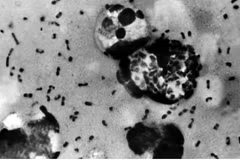
Frequent andinappropriate use of antibiotics can cause bacteria or other microbes toresist the effects of antibiotic treatment. This is called bacterialresistance or antibiotic resistance. Treating these resistant bacteriarequires higher doses of medicine or stronger antibiotics. Because ofantibiotic overuse, certain bacteria have become resistant to some ofthe most powerful antibiotics available today.
Antibiotic resistance is a widespread problem, and one that the USCenters for Disease Control and Prevention (CDC) calls "one of theworld's most pressing public health problems". Bacteria that were oncehighly responsive to antibiotics have become increasingly resistant.Among those that are becoming harder to treat are pneumococcalinfections (which cause pneumonia, ear infections, sinus infections, andmeningitis), skin infections, and tuberculosis.
Tocombat the looming antibiotic apocalypse - the day when none of theavailable treatments will work against certain microbes - the CDC hasidentified four important steps that healthcare providers, thegovernment, industry, and patients should take: namely preventing thespread of infection, better tracking of superbugs, smarter use ofantibiotics, and developing new drugs and diagnostic tests.-VNA