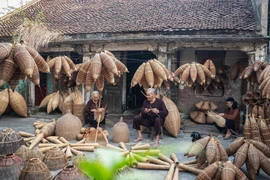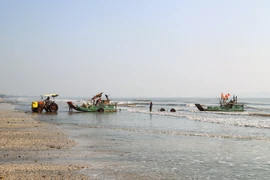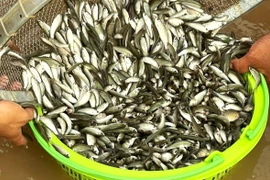
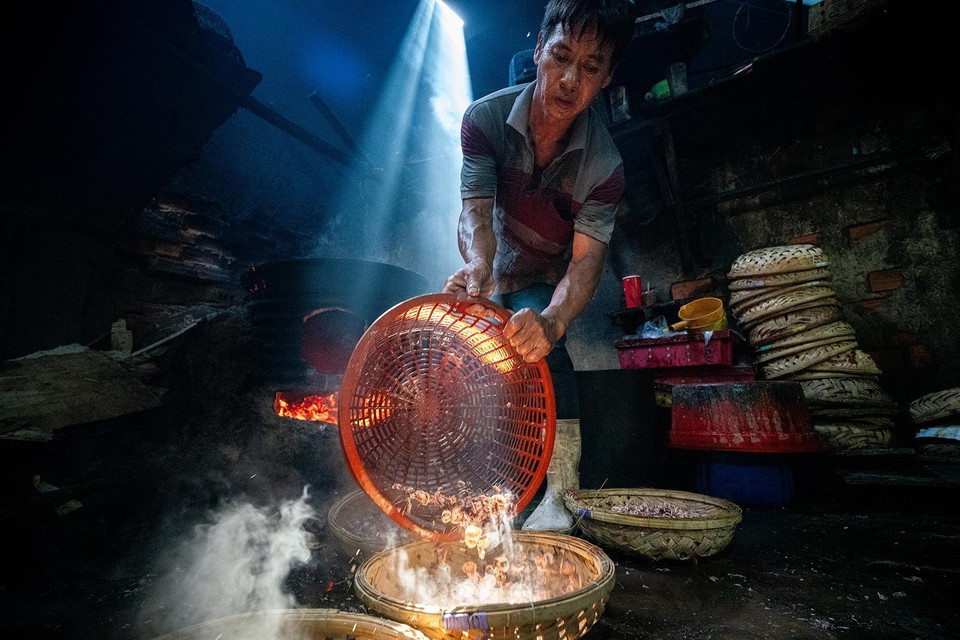
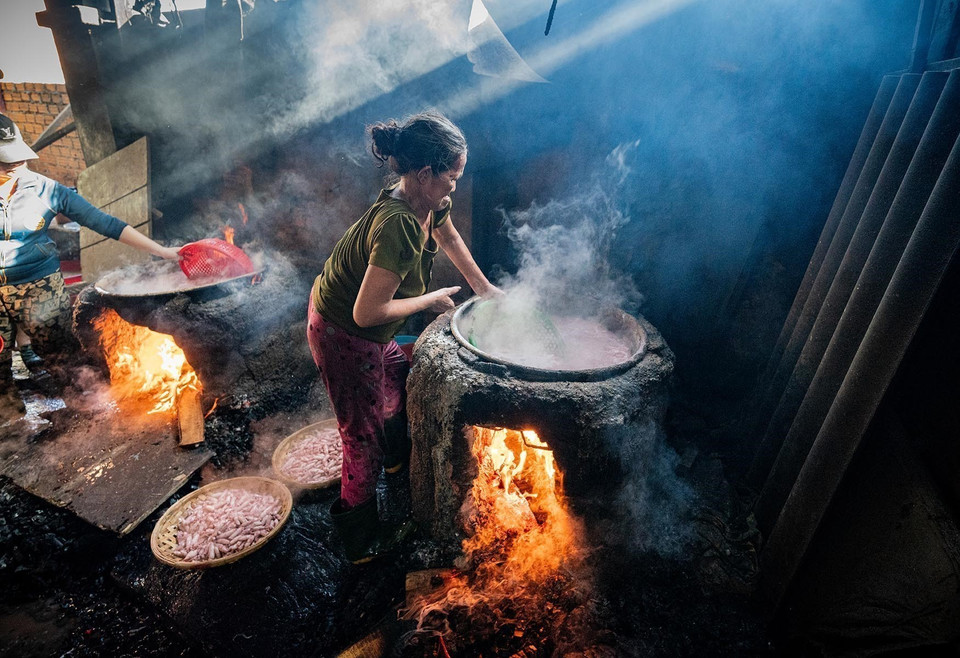




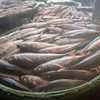

For generations, from early morning to late afternoon, by the ever-burning stoves, diligent locals make their living through fish steaming. (Photo: VNA)
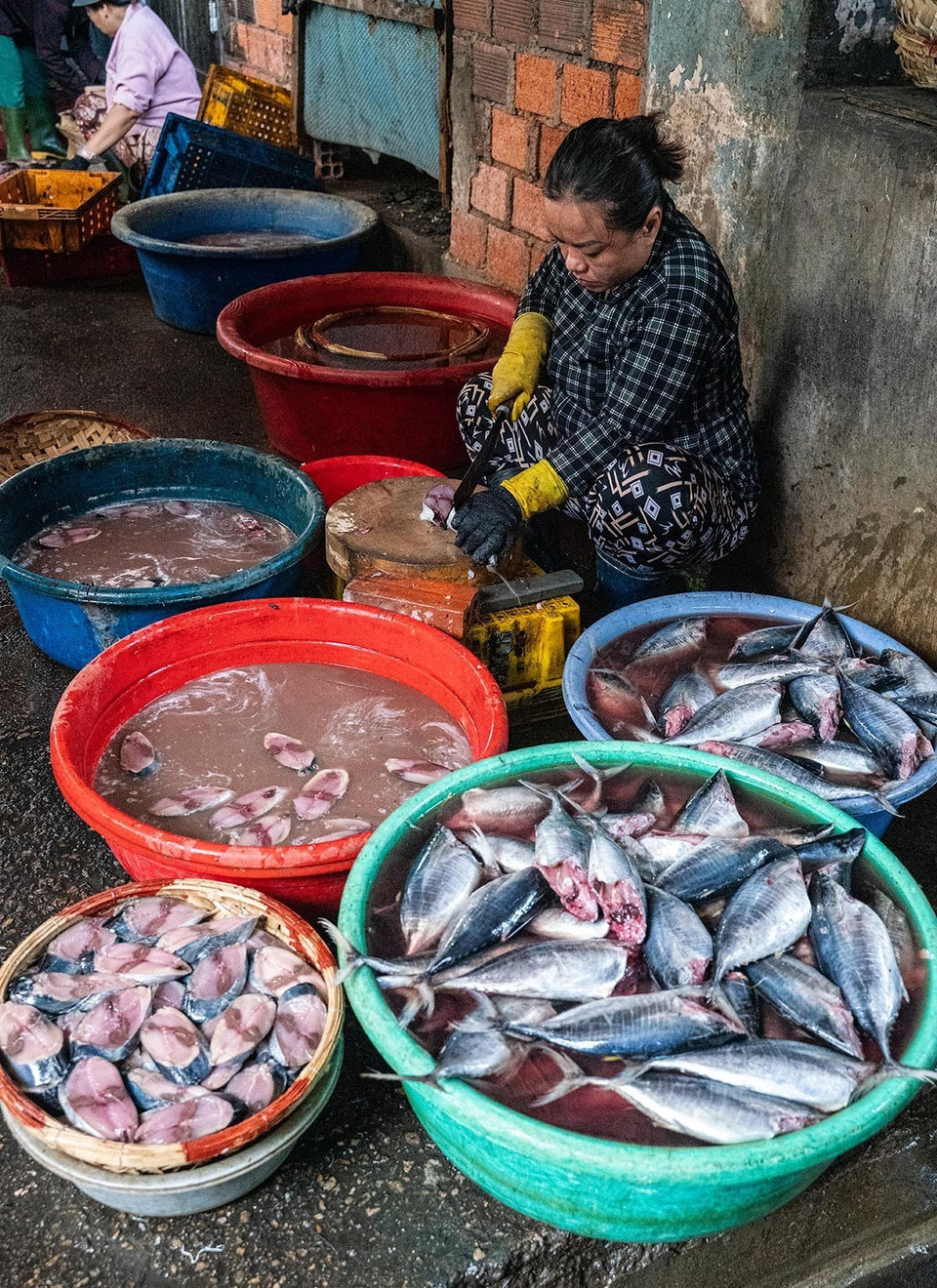
Cleaning the fish before placing them in the steamer. (Photo: VNA)
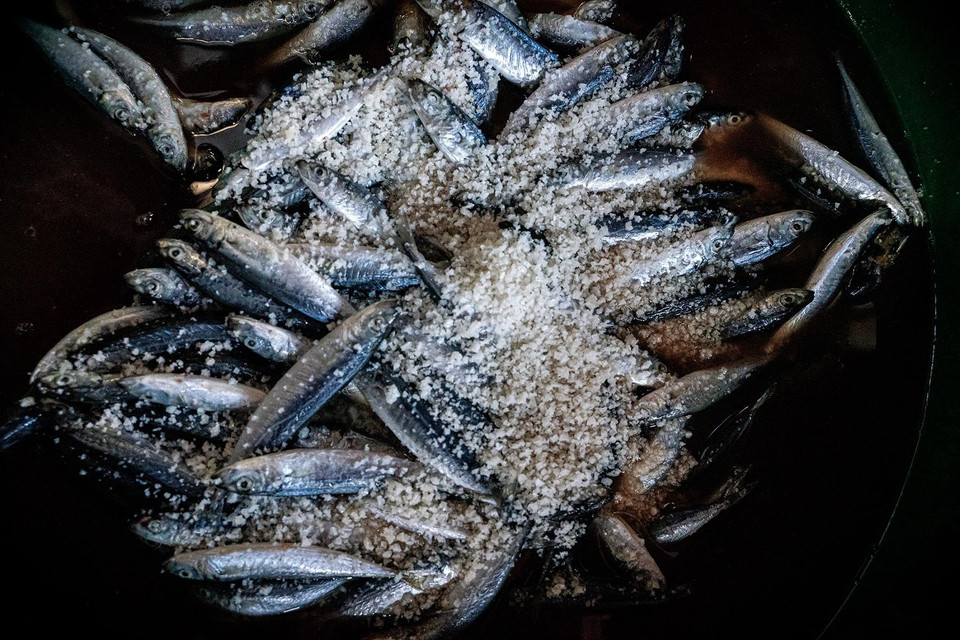
Fish are salted before steaming. (Photo: VNA)
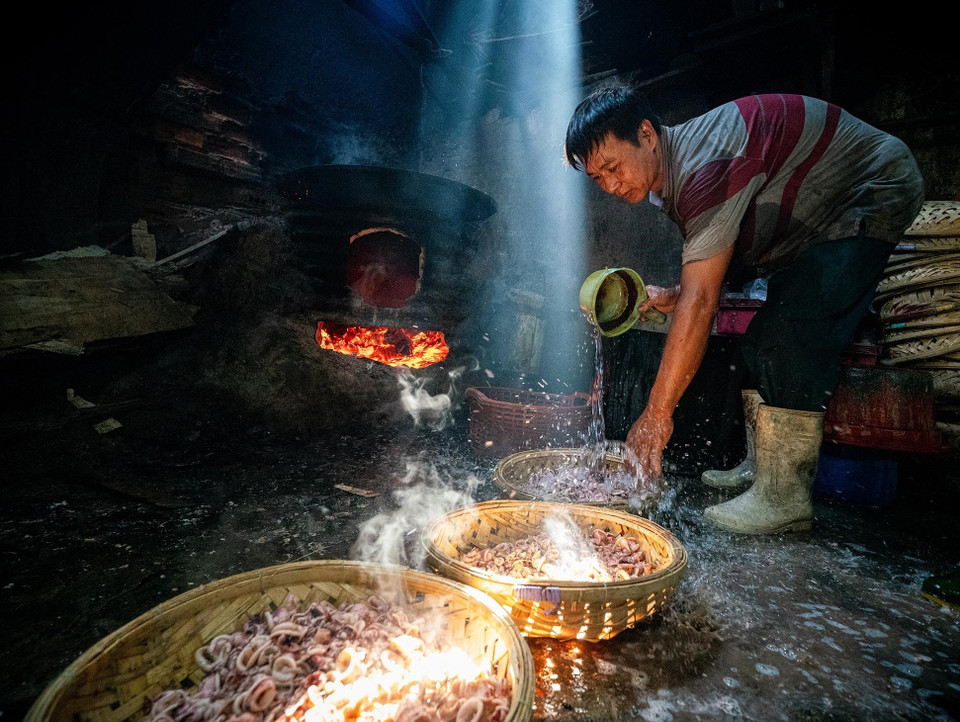
According to fish steamers at Quy Nhon port, the peak season is from March to September. During this period, several tons of fish and squid are steamed daily, with each batch taking 15–20 minutes, often requiring continuous work for 6–8 hours each night. (Photo: VNA)
For generations, from early morning to late afternoon, by the ever-burning stoves, locals diligently carry out the fish-steaming craft. (Photo: VNA)
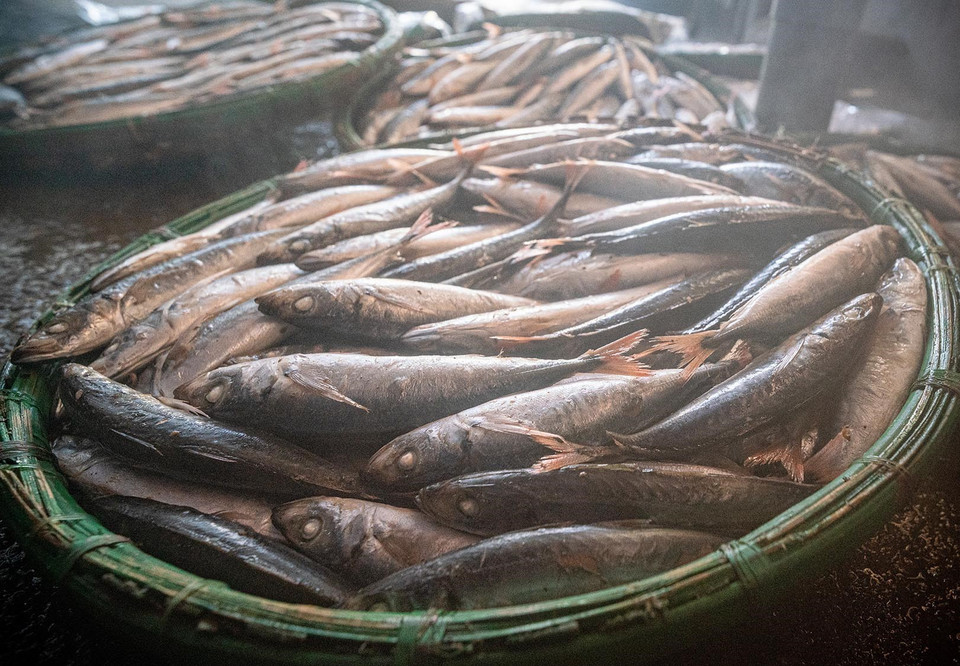
A batch of freshly steamed fish just out of the stove. (Photo: VNA)
Mr. Nguyen Van Tuan has been devoted to the fish-steaming trade for over 30 years. (Photo: VNA)
0
1
2
3
4
5
6

Quy Nhon fish-steaming village preserving the soul of the sea

From the early morning at Ham Tu pier, residents of Quy Nhon ward (Gia Lai province) begin their daily fish-steaming work. This traditional method preserves the natural sweetness of the fish, a practice maintained for generations within local households. More than just a livelihood, it is a distinctive labor culture of coastal communities, reflecting the resilience and deep connection of Quy Nhon people to the sea.