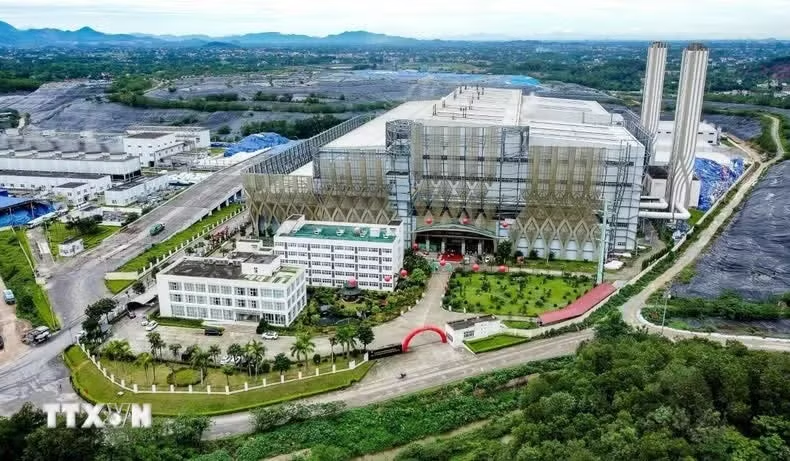
An overview of Soc Son waste-to-energy plant in the Nam Son Waste Treatment Complex, in Hanoi (Photo: VNA)

Hanoi targets collection and treatment of all industrial solid waste

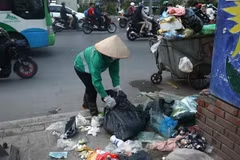
Hanoi aims to ensure that all industrial solid waste from its hi-tech parks, industrial parks and industrial clusters is collected and treated in line with regulations under a new plan to strengthen waste management and tighten control on scrap collection, storage and recycling facilities across the capital.
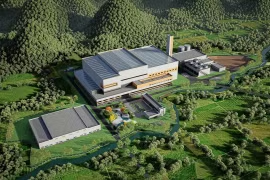
A graphic image of the Nui Thoong high-tech waste treatment and waste-to-energy plant project. (Photo: hanoimoi.vn)

Hanoi breaks ground on 200-million-USD waste-to-energy plant

Designed to process 2,000 tonnes of waste per day and generate 45MW of electricity for the national grid, the project is the first high-tech waste-to-energy plant in southwestern Hanoi, where large-scale solid waste treatment facilities have long been lacking.

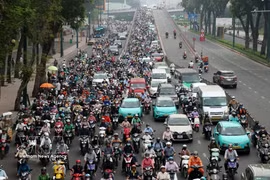
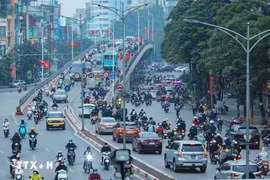
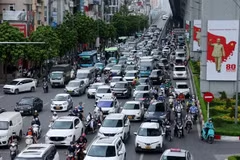
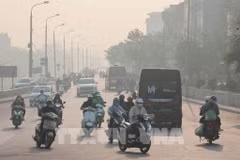
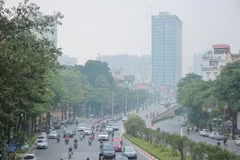
According to the Hanoi Department of Agriculture and Environment, air quality index (AQI) readings have at times reached poor and very poor levels. (Photo: VNA)

Hanoi targets 20% reduction in PM2.5 levels

Hanoi has affirmed its commitment not to trade environmental protection for economic growth. The city is moving to establish low-emission zones (LEZs) as a core measure to control emissions and promote green, sustainable urban development.

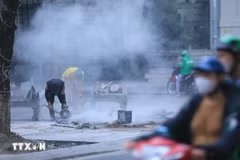
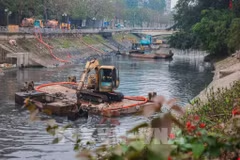
Construction activity is one of the causes of air pollution in Hanoi. (Photo: VNA)

Hanoi takes urgent measures to curb air pollution

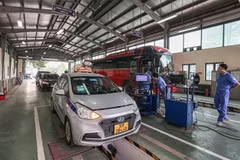
The city requires the enhanced application of advanced technologies and remote monitoring systems, including satellite remote sensing, drones, and AI-integrated traffic cameras, to monitor, detect, and strictly address the illegal burning of garbage, straw, and agricultural by-products.

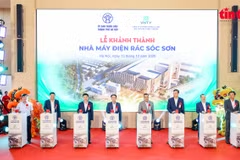
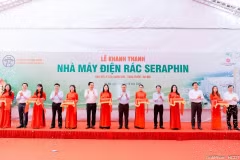
Delegates press the buttons to inaugurate the Soc Son Waste-to-Energy Plant (Photo: VNA)

Hanoi inaugurates 90 MW waste-to-energy plant

With a capacity to process 5,000 tonnes of waste per day and generate 90 MW of electricity, the facility has been connected to the national grid since July 2022. It is considered a long-term solution to Hanoi’s waste management challenge.

Aircraft at Noi Bai International Airport (Photo: VNA)

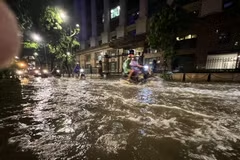
Thunderstorms disrupt flights at Noi Bai airport

Between 8 am and 11 am, the airport’s capacity to receive arriving aircraft was reduced to just five flights per hour to ensure absolute safety. In total, 17 flights had to be delayed landing within the Hanoi Area Control Centre’s (ACC Hanoi) and Noi Bai Approach Control Centre’s (APP Noi Bai) airspace.

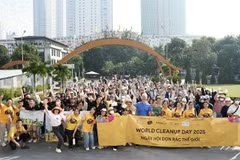
World Cleanup Day 2025, the world’s largest civic action campaign tackling global waste, kicked off in Hanoi on September 20. (Photo Courtesy of the organisers)

Mass cleanup in Hanoi marks World Cleanup Day 2025

This year’s event carried the theme “5% pioneers – Global impact”, highlighting research from the University of Leeds, UK, which suggests that when just five% of a community takes action for a shared goal, it can trigger a tipping point in behaviour and social awareness.

At the inauguration (Photo: VNA)

Hanoi inaugurates modern waste-to-energy plant

Seraphin is the first modern waste-to-energy plant in Vietnam fully invested, designed, built, and supervised by a domestic private enterprise, demonstrating the ability of Vietnamese companies to master advanced technologies.

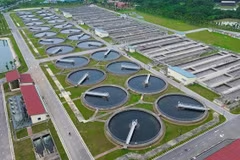
An overview of Yen Xa Wastewater Treatment Plant. (Photo: VNA)

Hanoi inaugurates new wastewater treatment plant

The Yen Xa Wastewater Treatment Plant is constructed with a full capacity of 270,000 cu.m per day and night using the conventional activated sludge process with AO (Anoxic and Oxic) operation.

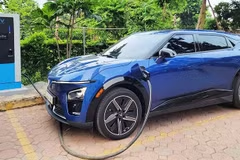
Hanoi plans to expand the charging station network for better efficiency. (Photo: VNA)

Hanoi to roll out policies supporting green transport transition

Under the plan, from 2025 to 2026, the city will complete mechanisms and policies to support businesses in switching to green vehicles, expand the electric and green-energy bus network, and build charging stations. The targeted proportion of green buses is set at 10% in 2025 and 20–23% in 2026.

The Ba Vi mountainous area, dubbed the "green lung" of western Hanoi, is emerging as a model for sustainable tourism. (Photo: VNA)

Hanoi eyes to develop greener tourism

Hanoi is set to become a green tourism leader by banning single-use plastics in hotels and tourist sites from 2026, marking a shift toward sustainable practices starting with everyday items.

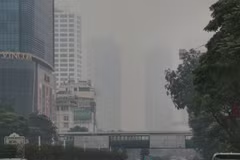
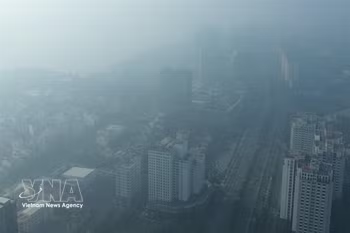
High-rise buildings on Nguyen Chi Thanh street in Hanoi are under a layer of fog (Photo: VNA)

Hanoi targets 80% of days with good or moderate air quality annually

Hanoi has set a target to ensure that up to 80% of the days in a year have air quality index (VN-AQI) levels rated as good or moderate, based on data from standard national and city monitoring stations, according to the director of the city’s Department of Natural Resources and Environment, Le Thanh Nam.

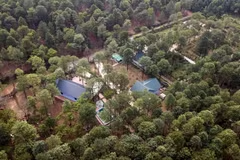
Hanoi’s forest coverage has reached 5.59%, mainly in Ba Vi, Soc Son, My Duc, Chuong My, Quoc Oai and Thach That districts and Son Tay town. (Photo: VNA)

Hanoi acts to protect “green belt”

Hanoi is home to nearly 27,100ha of forest and forestry land, including 18,577ha under forest, which is considered a "green belt" protecting the local ecological environment.