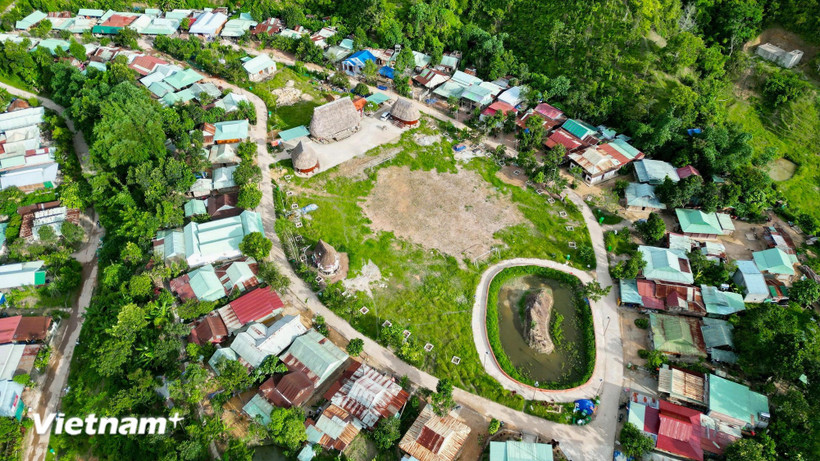
Hanoi (VNA) - More than just a new roof over their heads, the government's initiative to do away with makeshift and dilapidated homes has become a driving force for benefited households, including ethnic minority families in remote border areas in the newly-expanded city of Da Nang, formerly part of Quang Nam province, to rise above hardship and develop their livelihoods.
The programme has not only provided solid houses in place of ramshackle shelters scattered across the Truong Son mountains, but also helped strengthen the trust of ethnic minority communities in the policies and leadership of the Party and State.
From call to action
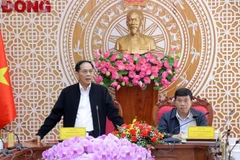
Recognising that mobilising resources is the most crucial solution to the eradication of unsafe housing, in July 2024, Chairman of the People’s Committee of Da Nang Luong Nguyen Minh Triet, who was Secretary of the Party Committee of former Quang Nam province, wrote an open letter calling on the public to join hands in this work.
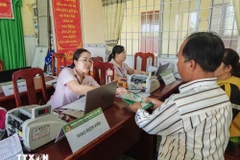
As a result, in less than one year, Da Nang successfully mobilised over 100 billion VND (3.8 million USD), laying a solid foundation for the effective implementation of the programme to do away with substandard homes.
However, efforts did not stop at fundraising. Given the province’s vast natural terrain and the challenging conditions in many far-flung and ethnic minority communes, further action was taken. Local leaders made direct visits to individual households, listening to residents, offering encouragement, and assessing firsthand the specific needs and difficulties they faced. Based on these insights, they proposed practical solutions and issued clear directives tailored to each commune and each official at the grassroots level.
Triet emphasised that commune leaders must truly serve the people, personally identify each case and directly oversee the efforts to eliminate unsafe housing.
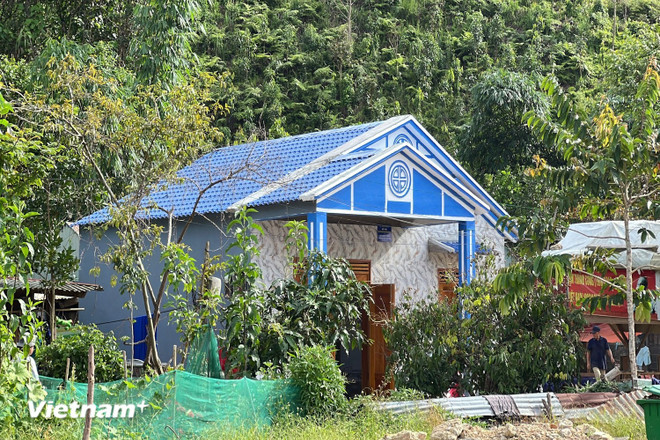
In Tay Giang commune - one of the most disadvantaged areas of Da Nang, where 97% of the population belongs to the Co Tu ethnic minority group, the meaningful programme was thoroughly implemented.
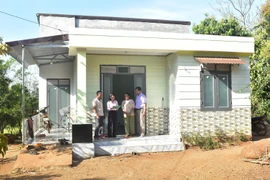
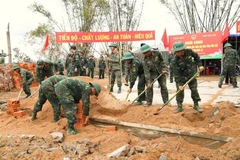
During the 2023–2025 period, this programme in Tay Giang commune, Da Nang (former Tay Giang district, Quang Nam province) has resulted in the repair and construction of 1,067 houses. In just the first six months of 2025 alone, 407 houses have been completed and handed over to residents. Since July 1, following the merger of the four communes of Lang, Atieng, Dang, and Anong, Tay Giang commune completed the construction of 175 houses, with 32 additional homes currently under construction, expected to be completed by the end of this month.
Alang Thi Thuoc, a Co Tu woman living in the commune’s Achiing village, is one of the many beneficiaries of the programme. Her old house sheltered a family of ten. During the rainy season, the roof leaked everywhere, leaving her unable to sleep peacefully.
Thanks to support of 60 million VND from the programme, her family was able to borrow additional funds to rebuild their home.
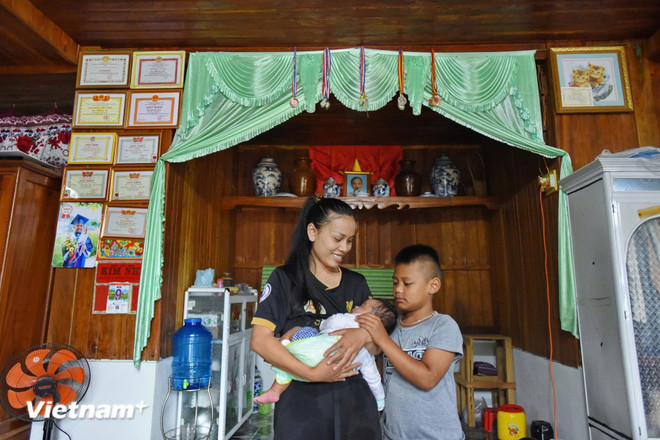
"The feeling of moving into our new house was truly wonderful. I no longer worry every time it rains," Thuoc shared. "I feel more confident knowing my children can live in a clean, well-ventilated space. That gives us the motivation to keep working hard for a better future."
Da Nang strives to eradicate makeshift housing by August
According to a report by the municipal Department of Agriculture and Environment, the central city has done away with 12,290 out of 12,340 targeted substandard houses, reaching nearly 99.6% of the goal. It is striving to fulfil this task by August 15, 2025.
Despite difficulties in implementation, particularly among poor and especially vulnerable households, the municipal authorities have affirmed their commitment to intensify efforts, with a strong focus on mobilising community participation to ensure that no one is left behind. This reflects the city’s dedication to improving living conditions for residents in its far-flung areas.
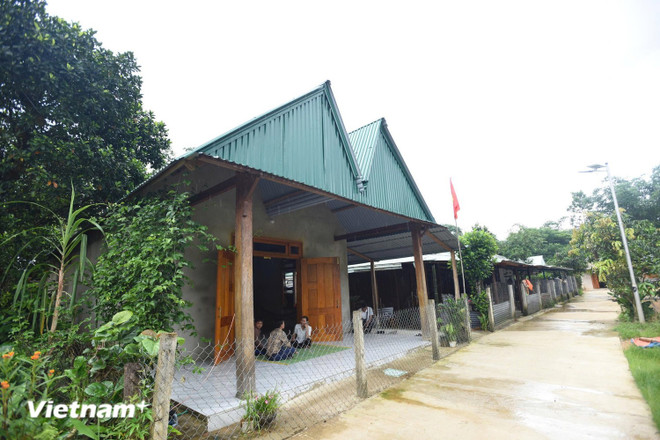
Da Nang City will draw momentum from public support to implement strategic solutions aimed at boosting economic development, social welfare, and, most importantly, preserving the unique cultural heritage of its mountainous communes and ethnic minority communities./.