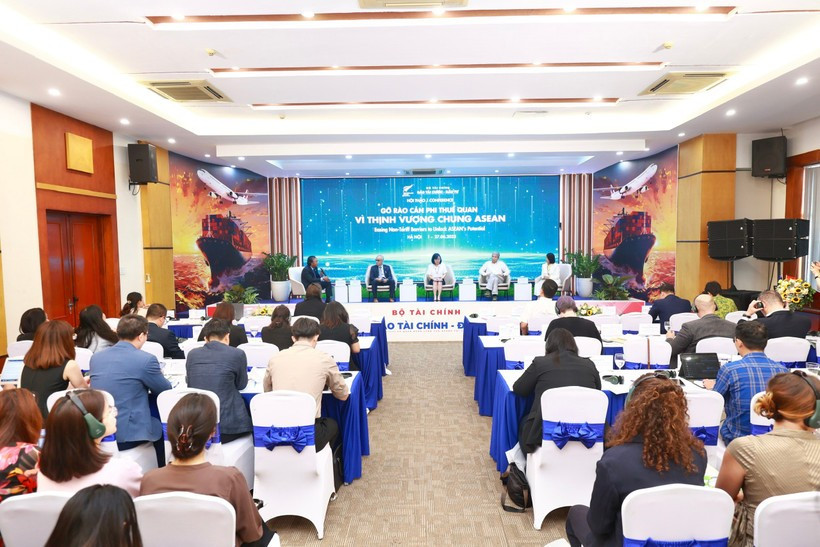
Hanoi (VNA) - Amid global economic uncertainties, non-tariff barriers (NTBs) have emerged as a major obstacle to trade growth and regional prosperity across the Association of Southeast Asian Nations (ASEAN).
Experts and policymakers agreed that the way forward lies not in introducing new frameworks but in maximising the use of existing trade agreements, harmonising standards, and increasing transparency.
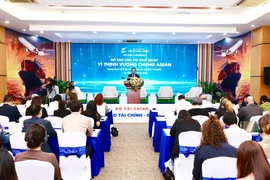
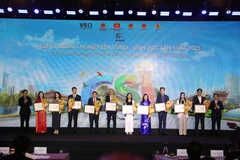
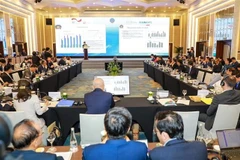
These views were presented at the seminar titled “Easing non-tariff barriers to unlock ASEAN’s potential”, jointly organised by the Finance and Investment Newspaper and the New Zealand Embassy.
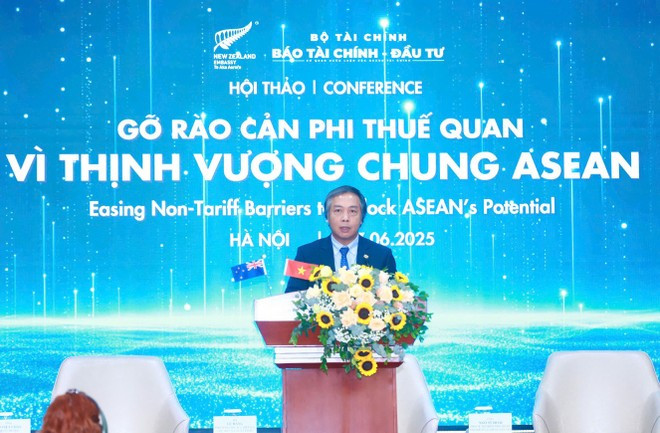
Le Trong Minh, Deputy Editor-in-Chief of the Finance and Investment Newspaper, highlighted that although intra-ASEAN tariffs have fallen below 1%, NTBs remain a key challenge. According to the World Bank, sanitary and phytosanitary measures (SPS), along with technical trade barriers, account for around 75% of NTBs in the region.
While these measures aim to protect public health, the environment, and domestic industries, the poor implementation and lack of transparency have resulted in excessive compliance costs, especially for small and medium-sized enterprises (SMEs). Exporters are often forced to test products against different national standards, navigate inconsistent certifications such as Halal requirements and manage shifting technical regulations.
The United Nations Conference on Trade and Development (UNCTAD) estimates NTBs increase trade costs by 2–4% of goods’ value. A 10% cut in NTB-related expenses could raise ASEAN trade by 3–4%, equating to tens of billions of USD in gains.
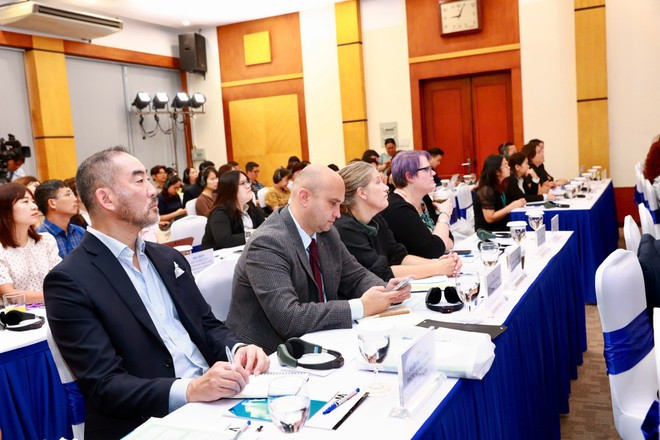
Minh noted that removing NTBs “correctly” can reduce transaction costs, broaden market access for small- and medium-sized enterprises (SMEs), and boost investor and consumer confidence. However, this does not imply unconditional liberalisation, but rather removing irrational restrictions, harmonising standards, improving transparency and digitising administrative procedures.
Nguyen Phuong, a legal executive at KPMG Vietnam, referenced the long-running trade dispute between Indonesia and the EU over palm oil. The EU’s renewable energy directive classifies palm oil as a high-risk deforestation fuel, effectively phasing it out by 2030. Though the WTO recognised the EU’s environmental concerns, it also pointed out inconsistencies in enforcement that unfairly burdened Indonesia.
Phuong added that 58% of trade in the Asia-Pacific is affected by NTBs. In Vietnam, importers face extended licensing time and storage costs, while exporters must often re-test products due to unrecognised certifications. She called for clearer rules on new NTBs, stronger mutual recognition of standards, and regional digital trade portals to enhance transparency.
Le Hang, Deputy Secretary-General of the Vietnam Association of Seafood Exporters and Producers (VASEP), detailed how certification hurdles, including lengthy Halal certification procedures and costly SPS compliance, delay shipments and inflated export costs. For instance, antibiotic residue tests on shrimp can cost 100–500 USD per sample, while labelling compliance for specific markets can cost up to 20,000 USD per product line.
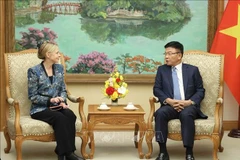
New Zealand Ambassador to Vietnam Caroline Beresford stressed that NTB reforms should be central to ASEAN’s integration. She cited data showing that over 2 million NTBs globally affect 78% of trade value, causing losses of over 1.4 trillion USD in 2019.
The ambassador urged ASEAN to treat NTBs not just as trade barriers but as strategic bottlenecks, and called for governments to work closely with the private sector to turn real-world challenges into practical policy.
On the legal front, Doan Vu Hoai Nam, a senior associate of ASL Law, noted that NTBs are no longer merely administrative burdens, but strategic factors influencing investment and supply chain decisions. Fragmented technical standards and cumbersome procedures, especially in sectors like logistics, education, and renewable energy deter SMEs and delay operations by up to 90 days.
Nam advised firms to develop proactive legal strategies, including regulatory mapping, contract flexibility, and intellectual property protection, particularly in sectors where collaboration between New Zealand and Vietnam could thrive.
Nguyen Anh Dung of NielsenIQ observed that consumer goods companies entering ASEAN face local certification issues, logistical barriers, and cultural differences. He urged businesses to focus on purchasing power and long-term value rather than just costs or demographics, noting that 75% of consumers are willing to pay more for long-term savings and sustainability.
In the fishery sector, VASEP has introduced several initiatives to help exporters navigate NTBs and ensure stable market access in over 170 countries. These include policy advocacy, training programmes, and participation in international trade fairs.
Hang emphasised that VASEP’s efforts have helped remove bottlenecks in sourcing verification, credit costs, and aquatic product size regulations. The association will continue to assist members in aligning with global standards and responding to sustainable consumption trends.
As ASEAN aims for deeper integration and resilient growth, addressing NTBs remains vital to unlocking its collective potential./.