Hanoi (VNA) – With ambitious national growth targets set for 2025, Vietnam’s tourism sector is taking decisive steps to accelerate development and attract more international visitors.
Amid current economic challenges, Vietnam’s tourism businesses are investing efforts to meet the Government’s expectations, Vu The Binh, Chairman of the Vietnam Tourism Association (VITA), told VietnamPlus.
The Government’s recently issued Resolution 226/NQ-CP sets a national growth target of 8.3–8.5%, also a target for tourism. While early-year figures are encouraging—with 11 million international arrivals in the first four months and 21% year-on-year growth, meeting the Government’s targets remains a formidable challenge.
Binh said the resolution signals the government’s confidence in the tourism industry and serves as a strong motivator for companies to act quickly.

The association has already begun implementing measures to boost visitor numbers rapidly. Binh stressed that travel agencies are central to short-term growth. While long-term promotion can attract independent travellers, immediate momentum relies on agencies actively selling tours.
Over the next two months, Vietnam will host an unprecedented series of familiarisation (Fam) trips, welcoming 300–400 executives of travel firms from key international markets. This initiative allows tour operators to experience Vietnam’s attractions firsthand and share that inspiration with their clients, helping to promote the country abroad through their influence and reputation.
“This is the fastest way to drive the tourist arrival growth in the short term,” Binh said, “while long-term growth requires coordinated efforts across the sector.” Meanwhile, Vietnamese operators are working to refine products and services, with a focus on green tourism and local cuisine to enhance the country’s appeal.

Green tourism has been closely linked with post-COVID shifts in traveller preferences. “Green” factors from transportation and environment to food are now top priorities for visitors, often outweighing cost considerations.
VITA has actively promoted green tourism over the past two years. Drawing on international experience, it introduced the VITA GREEN certification, with standards on par with leading regional destinations and criteria highlighting Vietnam’s unique attractions, he noted.
The VITA GREEN standards are highly rated among dozens of global benchmarks. With support from UNDP experts, the association balanced international and domestic criteria before applying them to four categories: destinations, accommodations, restaurants, and travel agencies. To date, 40 businesses have been certified, and the number is expected to hit 100 by year-end, providing tourists with reliable and trustworthy options.
Binh also noted that international events in Vietnam offer significant opportunities for tourism promotion. However, the sector has not always fully leveraged these occasions to showcase Vietnam to visiting officials and experts.
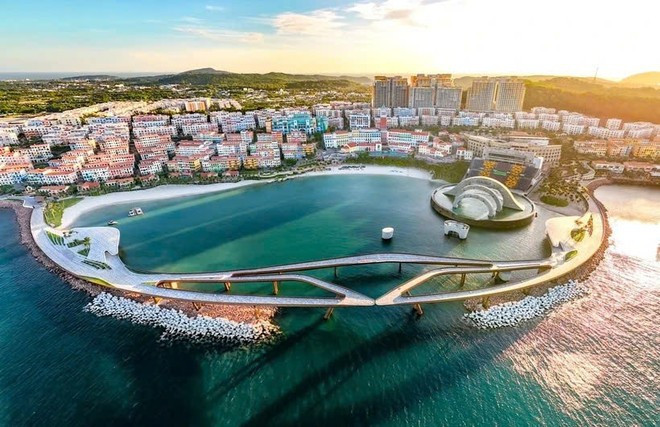
He described APEC 2027 in Phu Quoc as a major opportunity and said the association is coordinating with local authorities and businesses to maximise its promotional value, with a series of activities planned both before and during the event to engage international participants.

Binh praised the government’s strong support for the sector, particularly the recent visa exemptions for citizens of 12 emerging markets. He also acknowledged the added pressure this creates as the industry must ensure these policies translate into effective operations, strategic investment, and substantial growth in visitor numbers.
“If we invest but fail to grow, it is a failure of those working in tourism,” he said. The association has prepared targeted plans and programmes to capitalise on these 12 markets, in line with the Government’s expectations./.