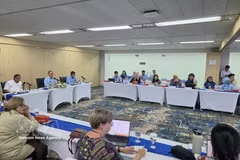
The results of a PCB (Polychlorinated biphenyls) management initiativereflect Vietnam’s strong commitment to the Stockholm Convention onPersistent Organic Pollutants (POPs), stated Deputy Minister of NaturalResources and Environment Bui Cach Tuyen at a workshop in Hanoi on June25.
PCBs are toxic agents commonly founded inthe land, water, atmosphere, food and adipose tissue of human andanimals. PCBs have been demonstrated to cause cancer and have a varietyof other adverse health effects on the immune system, reproductivesystem, nervous system and endocrine system.
Reviewing the PCB project’s outcome, Tuyen said the project, with theaim to safely manage and discard the chemical, has thus far addressed anumber of PCB issues in Vietnam.
According tohim, the country did not involve the substance in production but didpreviously import equipment and petroleum that might contain PCBs.
Vietnam became a member of the Stockholm Convention in 2002 andcommitted to minimising PCB emissions in the environment, ending PCBusage in equipment and machineries by 2020 and destroying PCBs entirelyby 2028. Therefore, imports were halted but it posed a range ofchallenges in disposing of materials containing PCBs. At the projectoutset, there were weak policies and regulation enforcement concerningmanagement of the toxic agent, as well as a low PCB and POP awarenessamong businesses and the community.
Oncethe initiative was launched, its steering board inspected 50 state unitsand analysed almost 48,000 PCB equipment and machineries to indentifydangerous levels to be collected and stored.
Meanwhile, 34 documents were devised and amended, particularly thecustoms coordination mechanism and nine specifications guiding safe PCBmanagement.-VNA