Digital transformation – key for theatre arts to thrive

Digital transformation is an inevitable direction for the development of theatre arts as digital technologies have been significantly affecting the arts.
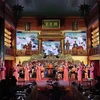
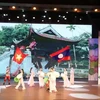
Digital transformation – key for theatre arts to thrive ảnh 1A performance in Ho Guom Opera in Hanoi. (Photo: VNA)

Hanoi (VNA) – Digital transformation is an inevitable direction for the development of theatre arts as digital technologies have been significantly affecting the arts.

In Vietnam, central and local art units have created their social network accounts and used them to introduce their shows and performances.

On the Facebook page of the Vietnam National Drama Theatre, posts are regularly made to update the theatre’s performance programmes, artist activities and minigames with rewards for winners being tickets to performances.

Director of the theatre Meritorious Artist Xuan Bac said that the application of digital technology will help promote theatres, and enhance interaction between theatres, artists and audiences.

Thanks to updates on social networks, information about the theatre activities reach the audience more widely and most importantly, they inspire the audience to go to the theatre, Bac said.

The Youth Theatre oftens live streams on its fanpage to introduce upcoming plays and promotional programmes. Its artists are very active in introducing the play and interacting online with the audience. The theatre also encourages audiences to pay online and book tickets via e-wallet to receive discounts.

Online ticket booking and ticket checking by scanning QR codes make it easier for audiences to come and enjoy the show.

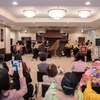
Digital transformation – key for theatre arts to thrive ảnh 2Artists of Vietnam National Drama Theatre perform a play .(Photo: VNA)

Director of the Youth Theatre Meritorious Artist Nguyen Si Tien said that the theatre pays much attention to indicators such as the number of page followers, visitors, the interaction rate, and comments on each post on the page so that they can make proper adjustments for more effective promotion programmes.

The interaction between the theatre and audiences on social networking sites is considered a form of customer care service, Tien said.

During the COVID-19 pandemic, the Ministry of Culture, Sports and Tourism’s Performing Arts Department launched its YouTube channel and Facebook account to live stream competitions, national professional art festivals, and art performances.

The Vietnam National Opera and Ballet (VNOB) has started using QR code scanning on the stage screen before the performance so that audiences can learn in advance about the content of the play, actors/actresses, and performance programme. This helps to save costs, and its audiences are proactive in researching the show.

Dr Nguyen Lien Huong, Culture and Arts Magazine under the Ministry of Culture, Sports and Tourism, said that thanks to the assistance of digital technologies such as marketing software, event management, and data collection tools, many theatres can manage programmes effectively.

Digital transformation is an inevitable trend, helping the performing arts adapt to developments in new situations, as well as contributing to preserving and promoting traditional values in modern life, she said.

Digitalisation helps audiences everywhere in the world to be able to follow art performance programmes.

However, Huong said the digital transformation in the performing arts faces difficulties due to insufficient infrastructure and investment.

She affirmed that innovation, access to technology and digital transformation are the ways for the performing arts to overcome difficulties in the integration process

Applying digital transformation technology and bringing performing arts works to the digital environment are a way to better connect artistic products and audiences, she said./.
VNA

See more

The poster of "Glorious Ashes" movie.

Vietnamese cinema returns to Berlin summer film programme

The screening attracted considerable interest from film enthusiasts and the Vietnamese community in the German capital. It marked the fourth time Vietnamese films have been featured in the programme, following "The House of No Man" by Tran Thanh, "Glorious Ashes" by Bui Thac Chuyen, and "My Best Friend's Wedding" by Nguyen Quang Dung and Diep The Vinh in previous years.

Xuan Son comes on in the second half and contributes to Vietnam’s second goal, with his shot forcing a Cambodian defender into an own goal to put Vietnam 2-1 ahead (Photo: VNA)

Vietnam's 22-match unbeaten run draws praise from RoK media

Under the tournament format, the semifinals and final will be played over two legs. Vietnam will travel to Malaysia for the first leg on August 16 before hosting the second leg on August 19. Should Vietnam overcome Malaysia, they will meet the winner of the other semifinal between Thailand and Singapore in the final.

A performance at the Vietnam–Korea Festival 2026 in Da Nang city (Photo: VNA)

Vietnam–Korea Festival 2026 kicks off in Da Nang

Now in its fifth edition, the festival has cemented its place as Da Nang’s signature annual diplomatic event, spotlighting the distinct cultures of both nations, fostering friendship and driving cooperation with Korean localities and partners.

A performance at the opening ceremony of the 2026 Hanoi International Martial Arts Festival on August 7 (Photo: VNA)

Hanoi opens international martial arts festival

The event attracts about 2,000 martial artists of 66 delegations, including seven international delegations from six countries, namely Indonesia, Russia, France, Germany, Switzerland and Morocco.

The statue of Vietnam's King Ly Thai To ( (974 - 1028) in Bonghwa county (Photo: VNA)

RoK to develop K-Vietnam Valley project linked to Ly Dynasty heritage

With the designation in place, Bonghwa will carry out eight specialised projects worth a combined 347.6 billion KRW (245.1 million USD) from 2026 to 2030 – among them the K-Vietnam Valley itself, tourism development around Changpyeong Reservoir, rental smart farms, and a Baekdudaegan healing ‘pet village.’

The organising committee presents awards to outstanding martial artists at the festival. (Photo: VNA)

9th Int’l Festival of Vietnamese Traditional Martial Arts wraps up

The ninth International Festival of Vietnamese Traditional Martial Arts has fostered the martial spirit, strengthened national pride, promoted cultural exchanges and reinforced the aspiration to bring Vietnamese traditional martial arts to a wider international audience.

An appetising bowl of My Quang features a rich combination of ingredients. (Photo: VNA)

Da Nang to host festival honouring Quang Nam-style noodle soup

My Quang is not only a signature dish of the Quang region but also reflects the history, culture and daily life of communities in central Vietnam. With its diverse ingredients, preparation methods and distinctive flavours, the noodle soup has become one of Vietnam's best-known culinary specialities, helping strengthen Da Nang's position on the culinary tourism map.

Hanoi’s traditional silk weaving craft continues to be preserved and developed today. (Photo: VNA)

Van Phuc silk weaving village officially recognised as Hanoi tourist destination

With its millennia-old heritage and growing integration of preservation and innovation, Van Phuc silk weaving village is poised to become a distinctive cultural destination, helping promote Hanoi’s sustainable cultural tourism and bring the quintessence of Vietnamese silk weaving closer to domestic and international visitors.

Minister of Construction Tran Hong Minh speaks at the session (Photo: VNA)

Lawmakers mull over changes to architecture law

On architectural management, the draft Law amending and supplementing several articles of the Law on Architecture clarifies the concept of “national cultural identity in architecture”, tying design to the preservation and promotion of regional heritage. It pushes architecture that mirrors local identity and fits each locality’s natural, historical and social conditions, while setting criteria to identify, assess and protect architecturally valuable buildings as a distinct form of cultural heritage.