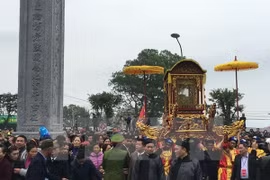
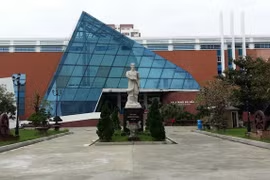
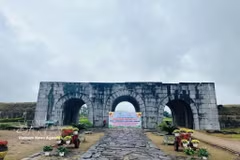
Mao Dien Temple of Literature in Hai Duong. (Photo: camgiang.haiduong.gov.vn)
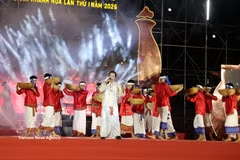
Hai Duong (VNA) – Mao Dien Temple of Literatureand Xua Temple – Giam Pagoda – Bia Temple complex in the northern province ofHai Duong were recognised as special national relic sites in a ceremony held inCam Giang district on December 16.
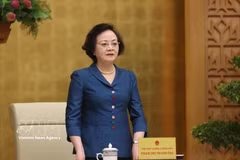
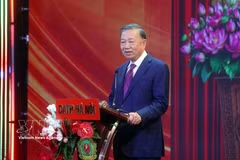
At the event, Deputy Prime Minister Vuong Dinh Hue presentedthe province with certificates honouring its two popular historicaldestinations as special national relic sites.
Hue also took the occasion to present Cam Giang with thefirst-class Order of Labour and a certificate recognising it as a new-stylerural district.
Mao Dien Temple of Literature, the second largest of itskind in Vietnam after the temple in Hanoi, was built during the early period ofthe Later Le Dynasty in Vinh Tuy commune, Binh Giang district in the 15th century. It was later moved to Cam Dien commune, Cam Giang during the Tay SonDynasty (1788 – 1802).
The temple is a place where worshippers come to pay homageto Confucius as well as some 600 Confucian doctors of the province that havebeen honoured over more than 500 years.
Xua Temple is located in Cam Vu commune, Cam Giang whereGreat Physician and Zen Master Tue Tinh (1330 – 1400) was born. He is viewed asthe saint of Vietnamese herbs and the progenitor of Vietnamese traditionalmedicine.
Giam Pagoda in Cam Son commune is where he lived anddedicated his life to documenting and making medicine, while Bia Temple in CamVan commune worships the Great Physician and retains a stone stele engravedwith his testament.
Cam Giang district has spent nearly 2 trillion VND (86million USD) over the past eight years improving infrastructure and publicfacilities and developing local economy as part of efforts to gain the new-stylerural district status.
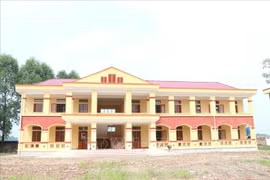
It is now the only district of Hai Duong to have all highschools meeting national standards. All of the district’s communal andinter-communal roads and alleys have been concreted, while all communes have atleast one station providing telecommunication services and a multi-functionalcultural house for community and sport events.
The district’s income per capita is estimated at 42 millionVND (1,800 USD) this year, a 2.15-fold increase from that of 2011, and thelocal poverty rate dropped to 1.47 percent. –VNA
VNA