Ho Chi Minh City River Festival 2024 lures nearly 4.5 million visitors

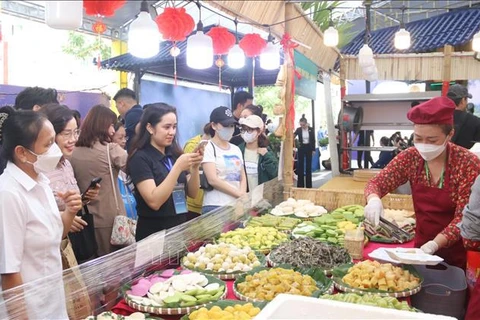
The second Ho Chi Minh City River Festival 2024 has attracted nearly 4.5 million visitors, reported by the municipal Department of Tourism.

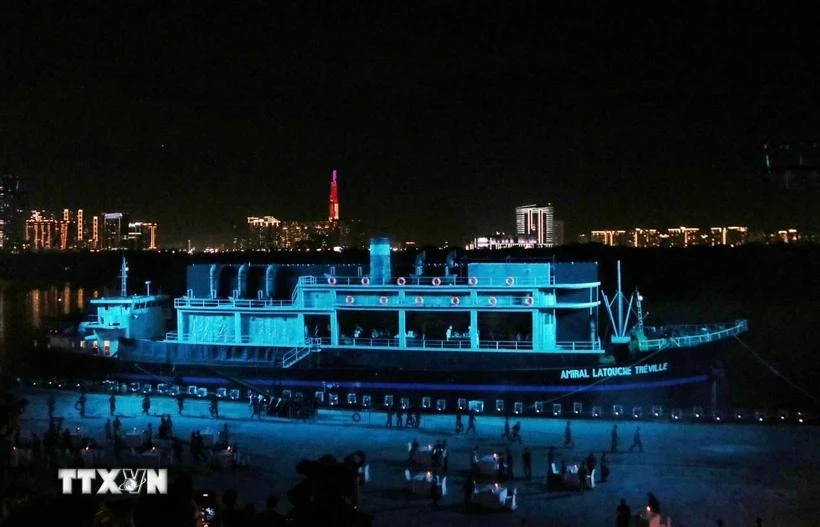
The highlight of this year's River Festival is the artistic show 'Legendary Cruise'. (Photo: VNA)

Hanoi (VNA) – The second Ho Chi Minh City River Festival 2024 has attracted nearly 4.5 million visitors, reported by the municipal Department of Tourism.

The southern metropolis welcomed about 1.3 million travellers, including 121,000 foreigners and 1.18 million domestic tourists from May 31 to June 9. The event also brought 4.2 trillion VND (165 million USD) in tourism and service revenue to the city.

Preliminary statistics from travel firms showed that the number of visitors during the festival increased by 40-50% compared to normal days. Many tourist sites also recorded positive figures, such as Ho Chi Minh Museum, with a rise of 103%, the Cu Chi Tunnels 423%, and the War Remnants Museum 21%.

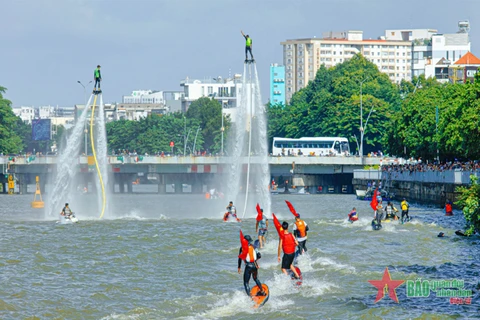
A river swimming tournament and a stand-up paddle boarding (SUP) race created an exciting atmosphere for this year’s edition. The tournaments saw the participation of 600 athletes with 51 teams from Thu Duc city and other localities.

Water sports activities also lured thousands of visitors and residents. Various riverside tours have been introduced to tourists, along with more than 100 attractive promotions, during the ten-day event.

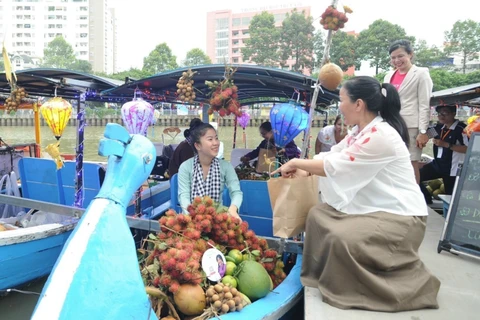
The festival has created a cultural tourism product, fostering the tourism brand of HCM City - a river city that is rich in identity and the city of festivals, according to the event’s organising board. It has contributed to promoting the image of the city's land, people, cultural identity, and typical culinary tourism./.
VNA

See more

UNESCO Director-General Khaled El-Enany (Photo published by VNA)

UNESCO, countries welcome Vietnam-led cultural initiative

UNESCO Director-General Khaled El-Enany hailed the UN General Assembly’s proclamation of the International Decade of Culture for Sustainable Development (2027–2036), thanking Vietnam for promoting the initiative, as well as all co-sponsoring countries, members of the core group and the Group of Friends for Culture at the UN for their support.

The Miss World 2026 event in Nha Trang is a showcase of global cultures. (Photo: Miss World 2026 Organising Board)

Miss World 2026 contestants showcase global cultures in Nha Trang

Hosting the final activities and grand final of Miss World 2026 offers Khanh Hoa an opportunity to promote its natural landscapes, cultural heritage and people to international audiences, while attracting visitors to Nha Trang during the National Day holiday.

Border residents and visitors join cultural, sports and tourism activities in Long Sap commune, Son La province. (Photo: QuVNA)

Vietnam-Laos border communities strengthen bonds of friendship

Through the programme, Son La aims to showcase the nature, culture and people of Long Sap, promote traditional cultural values alongside sustainable tourism, boost tourism and trade, and foster stronger cooperation contributing to sustainable socio-economic development in Long Sap and the Moc Chau National Tourism Area.

Young girls at a buckwheat flower valley in Tuyen Quang province. (Photo: VNA)

Culture industries open new growth opportunities for Tuyen Quang

Following its administrative merger, Tuyen Quang is home to 46 ethnic groups, with ethnic minorities accounting for more than 70% of its population. The province has 794 historical and cultural relic sites and 871 intangible cultural heritage items, including 53 recognised as national intangible cultural heritage.

Visitors explore Hà Nội’s master urban plan through a 3D mapping display at the Hà Nội Museum. (Photo: VNA)

Museums enter the digital age

From 3D displays and virtual tours to AI assistants and digital collections, museums across Vietnam are rethinking how heritage is preserved, presented and experienced, with technology opening new ways for the public to connect with the past.