Indonesia FDI accelerates to a new record high in Q2

Foreign direct investment (FDI) into Indonesia rose 39.7% annually in the second quarter of this year to 163.2 trillion rupiah (10.89 billion USD), the biggest climb in the past decade.
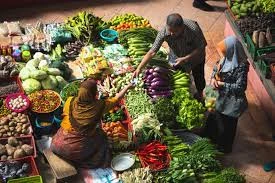
Indonesia FDI accelerates to a new record high in Q2 ảnh 1Foreign direct investment (FDI) into Indonesia rose 39.7% annually in the second quarter of this year to 163.2 trillion rupiah (10.89 billion USD). (Photo: jakartaglobe.id)
Jakarta (VNA) – Foreign direct investment(FDI) into Indonesia rose 39.7% annually in the second quarter of this year to163.2 trillion rupiah (10.89 billion USD), the biggest climb in the pastdecade.

According to investment minister Bahlil Lahadalia, theFDI, which excludes investment in banking and the oil and gas sectors,accelerated from a 31.8% increase in the January-March period.

The growth was mostly supported downstream industrydevelopment in mining and petrochemical sectors that have entered theconstruction phase, he said.

Singapore, China and Japan were Indonesia's topsources of foreign investment for the period. The 39.7% rise was the biggestincrease for any quarter since 2011, according to Eikon Refinitiv's records.

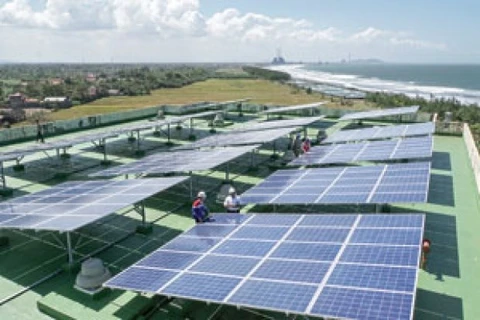
The government will continue to focus on the metalprocessing sector and industries that uses renewable energy, Bahlil affirmed.

He reiterated that the government plans to banexports of bauxite and tin to promote investment into their processingfacilities onshore, part of a "reform" of foreign investment intoIndonesia.

Its export ban of nickel ore had successfullyattracted major investment, mostly from China, to produce metal and chemicalsused in electric car batteries extracted from nickel ore./.
VNA
See more

The Singapore Maritime Technology & Research Roadmap is aimed at advancing the sector’s efficiency and sustainability. (Photo: businesstimes.com.sg)

Singapore unveils new roadmap to boost innovation in maritime sector

The Singapore Maritime Technology & Research Roadmap is aimed at advancing the sector’s efficiency and sustainability. It highlights priorities – including digital technologies, decarbonisation and operational integration – to boost resilience, productivity and innovation in Singapore’s maritime ecosystem. It also addresses structural issues such as manpower, land and sea space limitations.

Malaysia considers establishing strategic petroleum reserve

Malaysia considers establishing strategic petroleum reserve

Malaysia, which was previously a net exporter, has now become a net importer due to declining domestic production and rising consumption, with demand estimated at around 800,000 barrels per day compared to production of about 400,000 barrels per day.

Indonesia to halt diesel imports from July

Indonesia to halt diesel imports from July

The move is part of the Indonesian Government’s efforts to strengthen national energy independence by utilising palm oil as an alternative fuel, said Agriculture Minister Andi Amran Sulaiman.

Malaysia’s growing microplastics crisis is largely self-inflicted, driven by domestic waste, weak recycling practices and everyday plastic use, said experts. (Photo: New Straits Times)

Malaysia seeks solutions to microplastic crisis

Microplastics originating from domestic waste and wastewater are increasingly entering the food chain, posing serious threats to seafood safety and the livelihoods of coastal communities.

The new mass emergency alert system SG Alert, which will be used during emergencies such as major fires, chemical or terror incidents, seen on an Apple and Android device on Apr 17, 2026. (Photo: CNA)

Singapore launches new national emergency alert system

SG Alert in Singapore uses cell broadcast technology, enabling alerts to be delivered within seconds without requiring mobile data or collecting personal information. Unlike conventional SMS, which may be delayed during network congestion or depend on internet connectivity, the system ensures fast and reliable message delivery. Alerts can be sent islandwide or targeted to specific affected areas.