Indonesia adds patrol vessels to curb illegal fishing
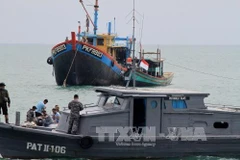
The new patrol vessels will later be deployed in areas prone to illegal fishing, including the North Natuna Sea, the Arafura Sea, the Sulawesi Sea, and the Indian Ocean.
The new patrol vessels will later be deployed in areas prone to illegal fishing, including the North Natuna Sea, the Arafura Sea, the Sulawesi Sea, and the Indian Ocean.
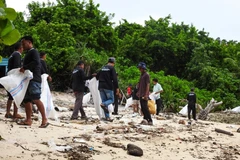
The Laut Sehat Bebas Sampah (Sebasah) programme is designed to foster collective community awareness on controlling waste from three main sources, namely rivers, ports, and the coasts of small islands.
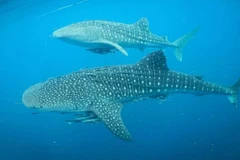
Whale sharks inhabiting tropical and subtropical waters, including Indonesian waters, are known to have biological characteristics that are vulnerable to threats, such as slow growth, low fecundity, and a long maturity age.

Indonesia’s waste generation is projected to exceed 50 million tonnes in 2025. Of the total, more than 20 million tonnes could potentially enter the ocean through rivers, coastal areas, small islands, ports, and marine activities, and thereby, pose a risk to coastal ecosystems and marine biota.
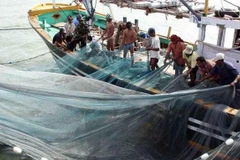
Indonesia is taking new steps to improve protections for fishery workers, amid concerns over low wages, harsh working conditions, and limited access to social welfare.
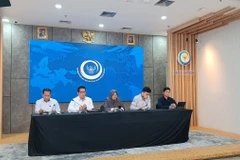
Indonesia will set up 200,000 hectares of new marine conservation areas in 2025. The plan aligns with sustainable marine spatial planning.