Malaysia, Singapore offer unique approaches to cryptocurrency supervision: experts

The growth of financial technologies, including blockchains and cryptocurrencies, depends on how well the legal system can adapt. Globally, as the legal status of cryptocurrencies remains ambiguous, Malaysia and Singapore offer unique approaches to cryptocurrency supervision.

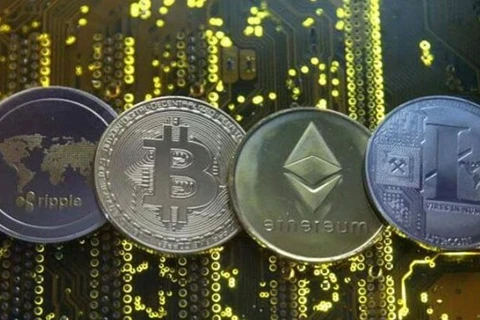
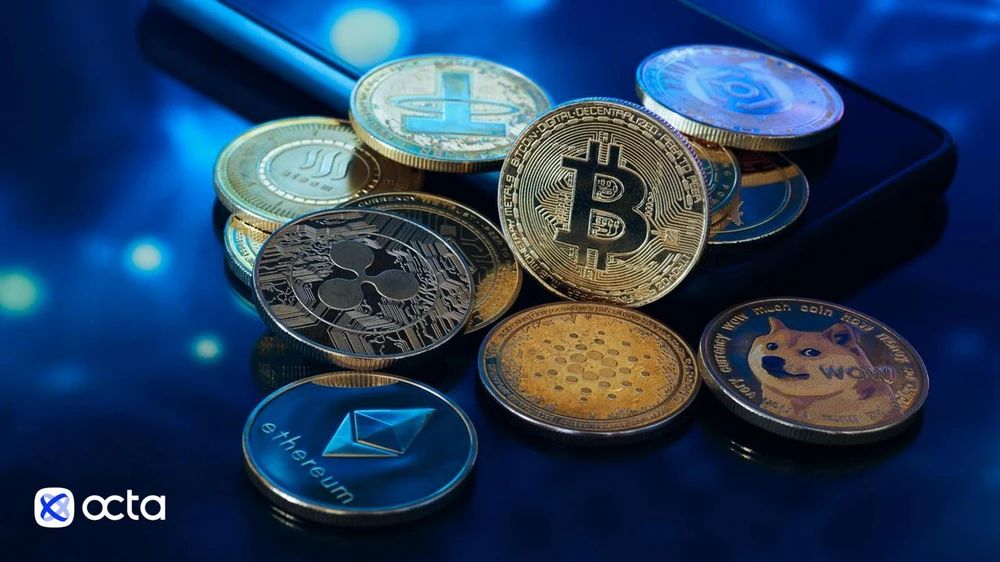
Illustrative photo (Photo: Octa)

Kuala Lumpur (VNA) – The growth of financial technologies, including blockchains and cryptocurrencies, depends on how well the legal system can adapt. Globally, as the legal status of cryptocurrencies remains ambiguous, Malaysia and Singapore offer unique approaches to cryptocurrency supervision.

According to experts of Octa - a broker with globally recognised licences, in 2023, Malaysia ranked among the top 30 countries for crypto adoption based on transaction volume, with its peer-to-peer (P2P) exchange trade volume placing it 40th globally.

As for Singapore, it is currently a regional leader in cryptocurrency adoption, with 49% of its population aware of cryptocurrencies and 12% actively owning them. In 2023, the nation attracted 627 million USD in crypto funding, supported by a skilled workforce and favourable fiscal policies.

Malaysia regulates digital assets through the Capital Markets & Services (Digital Currency and Digital Token) Order 2019. While cryptocurrencies are classified as securities, they are not recognised as legal tender by Bank Negara Malaysia (BNM) - the country's central bank.

Companies involved with digital currencies or tokens are required to register with the local authority. The regulations also enable companies to raise funds through token issuance but require due diligence and compliance with anti-money laundering (AML) and anti-terrorism financing policies.

Despite these regulations, Malaysia’s legal framework still lacks transparency and consistency, posing risks for businesses trying to navigate the complex landscape. As crypto popularity rises, new policies may emerge, said Kar Yong Ang, the Octa broker's financial market analyst.

Meanwhile, Singapore already boasts a robust regulatory framework that enhances its status as a global financial centre. The Payment Services Act (PSA), introduced in 2019, serves as the primary legal framework governing digital payment tokens (DPTs). It mandates licenses for activities like operating exchanges and providing digital wallets.

Additionally, the Securities and Futures Act (SFA) regulates DPTs that resemble capital market products, while the Commodity Trading Act applies to asset-backed DPTs, treating them as commodities.

This comprehensive regulatory approach ensures a structured environment for cryptocurrency activities, fostering innovation while maintaining security.

Singapore’s strong telecommunications infrastructure, highly skilled workforce, and favourable fiscal policies, such as the absence of capital gains tax, make it an attractive hub for digital innovation. A thriving community of startups, accelerators, and incubators foster innovation in the crypto sector.

According to Statista, the country’s crypto market is projected to grow by 8.79% annually from 2024 to 2028, reaching 479.5 million USD in value by 2028./.

VNA

See more

Thailand’s capital rolls out “Phone off, learning on” programme. (Photo: nationthailand.com)

Thailand’s capital rolls out “Phone off, learning on” programme

Bangkok Governor Chadchart Sittipunt said this initiative is a proactive measure to regulate and monitor the use of digital devices in schools, thereby enhancing an effective learning environment and preventing negative impacts on health and behaviour caused by excessive screen time.

Workers unload the fertilisers at a distribution centre in Medan on December 5, 2024. (Photo: Antara)

Opportunities for Indonesia’s fertiliser export

Deputy Agriculture Minister Sudaryono said several countries have approached Indonesia seeking large volumes of urea, showing how the geopolitical crisis could create unexpected export opportunities for Southeast Asia's largest economy.

Indonesian Energy Minister Bahlil Lahadalia and Japanese Trade Minister Ryosei Akazawa sign a nuclear power deal on the margins of the Indo-Pacific Energy Security Ministerial and Business Forum in Tokyo on March 15, 2026. (Photo courtesy of Indonesia's Energy Ministry)

Indonesia shakes hands with Japan in developing nuclear power

Japan’s involvement in Indonesia’s nuclear power programme is currently concentrated mainly in a project in West Kalimantan province, where Japan’s JGC Corporation is supporting US-based NuScale Power in developing a small modular reactor complex.

Visitors to a pagoda in Bangkok, Thailand (Photo: Xinhua/VNA)

Thailand tourism plans response to Middle East conflict

The Tourism Authority of Thailand (TAT) is promoting Thailand as a safe destination and plans to suggest the establishment of a strategic operations unit to monitor flight capacity, load factors, oil prices and travel costs.

A large number of ethnic minority voters in Gao commune, Gia Lai province, head to polling stations early in the morning. (Photo: VNA)

International media spotlight Vietnam’s National Assembly election

The election of deputies to the 16th National Assembly and People’s Councils at all levels for the 2026–2031 tenure is an important political event demonstrating the people’s right to mastery in choosing outstanding representatives who will convey their will and aspirations to the bodies of State power.

Sophon Saram of the Bhumjaithai Party is elected Speaker of Thailand's House of Representatives on March 15, 2026. (Photo: nationthailand.com)

Thailand elects new parliamentary speaker

Sophon Saram of the Bhumjaithai Party received 289 votes to become Speaker of the House of Representatives, compared to 123 votes for Parit Wacharasindhu of the People’s Party.

China Central Television (CCTV) reports on Vietnam’s election.( Photo: VNA)

International media spotlight Vietnam’s Election Day

Russia’s Sputnik underscored the election’s significance in consolidating the new-term administration apparatus, advancing institutional reforms and enhancing technological application in electoral activities, thereby contributing to political system reinforcement and national development.

Cambodian Information Minister Neth Pheaktra speaks at the event. (Photo: VNA)

Cambodia intensifies campaign against fake news, misinformation

The initiative aims to enhance information quality in the digital era through three main strategies. These include combating the spread of fake news within Cambodia and across the Greater Mekong Subregion, promoting verified news produced by professional media organisations and digital content creators, and strengthening media literacy education for the public in Cambodia and neighbouring Mekong countries.

A child receives a measles vaccination in Sumenep, East Java, Indonesia (Photo: Antara)

Indonesia faces surge in measles cases

In response, doctors are advising parents to limit their children's exposure to large gatherings, especially during the upcoming Eid al-Fitr holiday, when families often meet in large numbers, increasing the risk of disease transmission.

Authorities in Banteay Meanchey province raids a building used for online fraud in Poipet city, arresting more than 270 people and seizing a large amount of evidence in July (Photo: AKP/VNA)

Cambodia proposes life imprisonment for leaders of online scam networks

A 2024 report by the United States Institute of Peace estimated that illicit revenues from online scams in Cambodia could exceed 12.5 billion USD annually, equivalent to roughly half of the country’s GDP. Prime Minister Hun Manet has previously said the scam centres are seriously damaging Cambodia’s economy and international image, pledging to “clean up” the problem.

Laos confirms stable fuel supply

Laos confirms stable fuel supply

Government spokesperson Sonexay Sitphaxay and Lao Deputy Minister of Industry and Commerce Chanthaboun Soukaloun provided an update on the national fuel supply situation.