Malaysia remains committed to building no new coal-fired power plants, toward phasing out coal-fired electricity generation by 2044 and increasing the share of renewable energy to 70% of the country's installed power generation capacity by 2050.
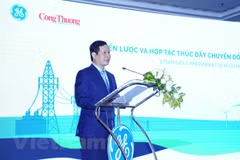
The United Nations Development Programme (UNDP) in Vietnam on March 28 convened a technical meeting focusing on a roadmap for transition from coal-fired power generation to sustainable alternatives.
Indonesia on February 22 launched the first phase of mandatory carbon trading for coal-fired power plants, as an effort to boost renewable energy and achieve net zero emissions by 2060.
Indonesia has set a target of issuing emission quotas for some coal-fired power plants within this month as a first step towards creating a mechanism for domestic carbon trading.
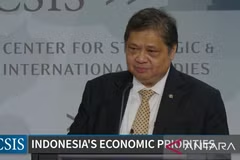
Indonesia is ready to shut down coal-fired power plants, with a total capacity of 9.1 gigawatts, as early as in 2027, the country's Antara news agency reported, quoting Coordinating Minister for Economic Affairs Airlangga Hartarto.
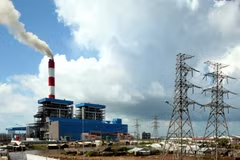
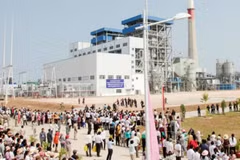
After nearly seven years of construction with unprecedented difficulties, the Song Hau 1 thermal power plant has been put into commercial operation, contributing to ensuring national energy security and economic development in the Mekong Delta.
The Ministry of Industry and Trade (MoIT), the Vietnam Electricity (EVN), and experts shared the view that power supply will be basically guaranteed this year, but the challenge is that demand is forecast to surge amid the post-pandemic economic recovery.
Power Development Plan VIII plans to phase out coal-fired power plants to curb CO2 emissions, with no more new plants after 2030, according to a seminar held by the Ministry of Industry and Trade (MoIT) in Hanoi on June 22.
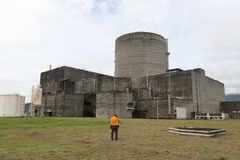
The Philippines on March 3 announced President Rodrigo Duterte's order signed on February 28 on the inclusion of nuclear power in the country’s energy plan amid the country’s preparations to generally get rid of coal-fired power plants.
Indonesian Coordinating Minister for Maritime Affairs and Investment Luhut Pandjaitan said the government is gradually shutting down coal-fired power plants, and focusing on developing new and renewable energy.
The Cambodian Ministry of Mines and Energy is set to review applications soon for rights to four coal mining concession areas it opened late in March in the northern region of the country, the Phnom Penh Post reported.
A discussion in Hanoi on February 25 called for smarter energy choices, given the impacts of coal power generation on air quality and air pollution’s influence on human health.
The Cambodian government on February 7 approved the construction of two coal-fired power plants with a combined capacity of 965 megawatts, according to spokesperson of the government Phay Siphan.
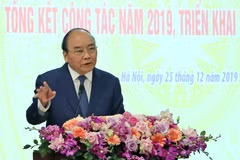
The primary task of Vietnam Electricity (EVN) is to ensure adequate supply of electricity for socio-economic development, Prime Minister Nguyen Xuan Phuc has said.
The nine-month imports of coal reached 10.5 million tonnes, shooting up 147 percent from a year earlier, and this trend will continue in the next years to meet growth demand and ensure energy security
Prime Minister Nguyen Tan Dung stressed the need to ensure power and coal supply in the decades to come, in service of national growth and development.
While the amount of ash discharged by coal-fired power plants has increased in Vietnam, the country still lacks guidance and policies to support enterprises in managing this waste, experts said.