VNA



Lidia Brito, UNESCO Assistant Director-General for Priority Africa and External Relations, praised Vietnam’s contributions to education, science, culture and information, describing the 50-year partnership between Vietnam and UNESCO as a sustained and increasingly substantive journey.

The main event is a November 24 evening show at My Dinh National Stadium, expected to draw about 50,000 spectators.
The routes traverse diverse terrain, including pine forests, hills covered with pink grass in full bloom, streams and Da Lat's characteristic steep slopes, promising runners a varied highland exploration experience.
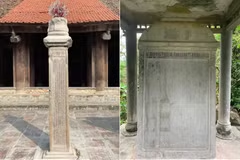
Dr Vu Thi Minh Huong, Vice Chair of the UNESCO Memory of the World Committee for Asia and the Pacific, said with the “Pho Hien Stone Steles” and the “Cliff-based inscriptions on Non Nuoc Mountain” recognised, Hung Yen and Ninh Binh provinces must continue studies and roll out conservation and restoration plans in line with cultural heritage law and UNESCO guidance.
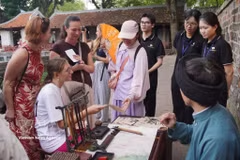
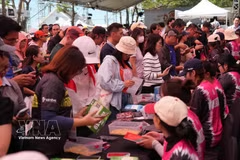
The activities, part of celebrations marking the 950th anniversary of Quoc Tu Giam (1076–2026), include an interactive passport programme entitled “The Journey of Vietnamese Education - Imprints of Knowledge” and a photo experience called “Gap go hien tai” (Meeting Talented Scholars).
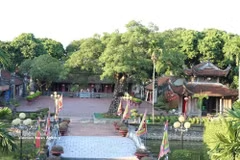
The special national relic, located in Mao Dien commune, embodies the historical and cultural values of the former region of Hai Duong.
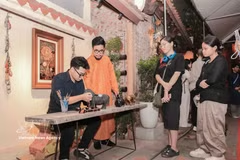
Trinh Quoc Dat, Chairman of the Vietnam Craft Village Association, said craft hubs with strong production, market access and decent incomes tend to attract young workers. Bat Trang commune draws labour from nearby areas, and some families send children to study ceramics before they return to develop the craft and study new designs and glaze lines.
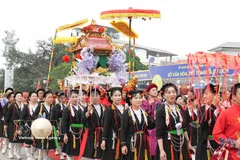
A major highlight will be the “Phu Tho Culture – Connecting for Development” cultural camp, featuring 17 camps and four exhibition spaces showcasing handicrafts, products under the One Commune One Product (OCOP) programme and other local specialties.
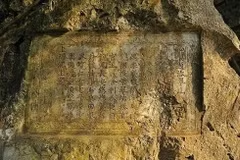
The recognition highlights the historical, cultural and documentary values of the two collections while acknowledging Vietnam's contributions to preserving and sharing the common heritage of the Asia-Pacific region as well as the world.
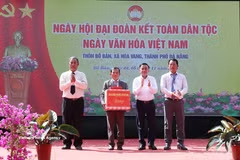
Politburo Member and Standing Member of the Party Central Committee’s Secretariat Tran Cam Tu attended the Great National Unity Festival in Bo Ban village, Hoa Vang commune, the central city of Da Nang on November 5.
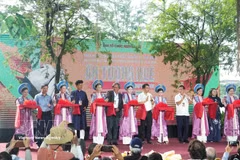
Running until November 15, the event is a meaningful cultural and artistic activity celebrating Vietnam Culture Day (November 24), contributing to the promotion of national cultural values and inspiring creativity in contemporary art.

Combining technology with a creative mindset has enabled familiar cultural materials to reach wider audiences, bringing new life to traditional cultural values.
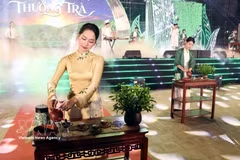
The programme was elaborately staged, combining music, dance, traditional art performances and modern stage technology to offer participants an insight into the cultural values of Vietnamese tea and the tea appreciation traditions of several East Asian countries.
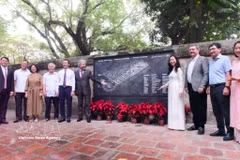
The new overall map presents the Van Mieu-Quoc Tu Giam Special National Relic Site's spatial layout, the locations of its structures and key attractions, enabling visitors to plan their own routes. The leaflet provides an overview of the site's history, architecture, historical figures and outstanding cultural and educational values.
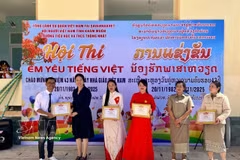
By casting each OV as a “cultural ambassador”, Vietnam is treating identity preservation as proactive cultural outreach, using cultural values as a resource to boost soft power and national prestige.
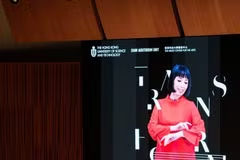
Ahead of Great National Unity Day (November 18) and Vietnam Cultural Day (November 24), pianist Bich Tra, who is now living in Hong Kong (China), shared her artistic journey and aspirations for Vietnam's cultural development.
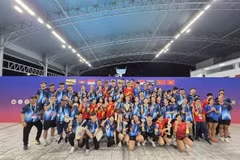
The competitions took place from October 29 to 31 at the MBJB Aquatic Centre in Johor Bahru, bringing together divers from across the region.
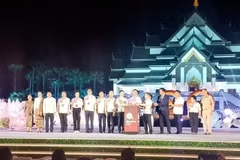
Vietnam made a notable impression at the regional event with its Vietnam–Thailand Friendship Garden, featuring the lotus as its centrepiece.
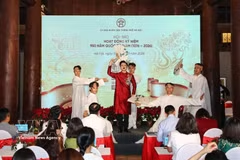
Founded in 1076 under King Ly Nhan Tong, Quoc Tu Giam played a pivotal role in Vietnam’s education and examination systems, nurturing generations of scholars and becoming a symbol of the country's intellectual and cultural heritage.
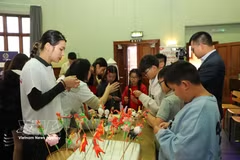
Dao Kim Thu, the foundation's founder and initiator of the programme, told the Vietnam News Agency’s correspondents in London that its mission is not only to support disadvantaged women, children and communities in Vietnam, but also to connect overseas Vietnamese, promote Vietnamese culture internationally and nurture younger generations' attachment to their roots.