Book about Vietnamese painter Tran Van Can’s works launched

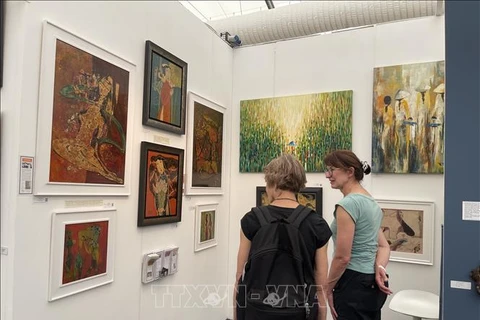
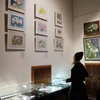
The Vietnam Fine Arts Museum on August 8 launched a book about works by Vietnamese famous painter Tran Van Can to mark his 30th death anniversary (1994-2024).

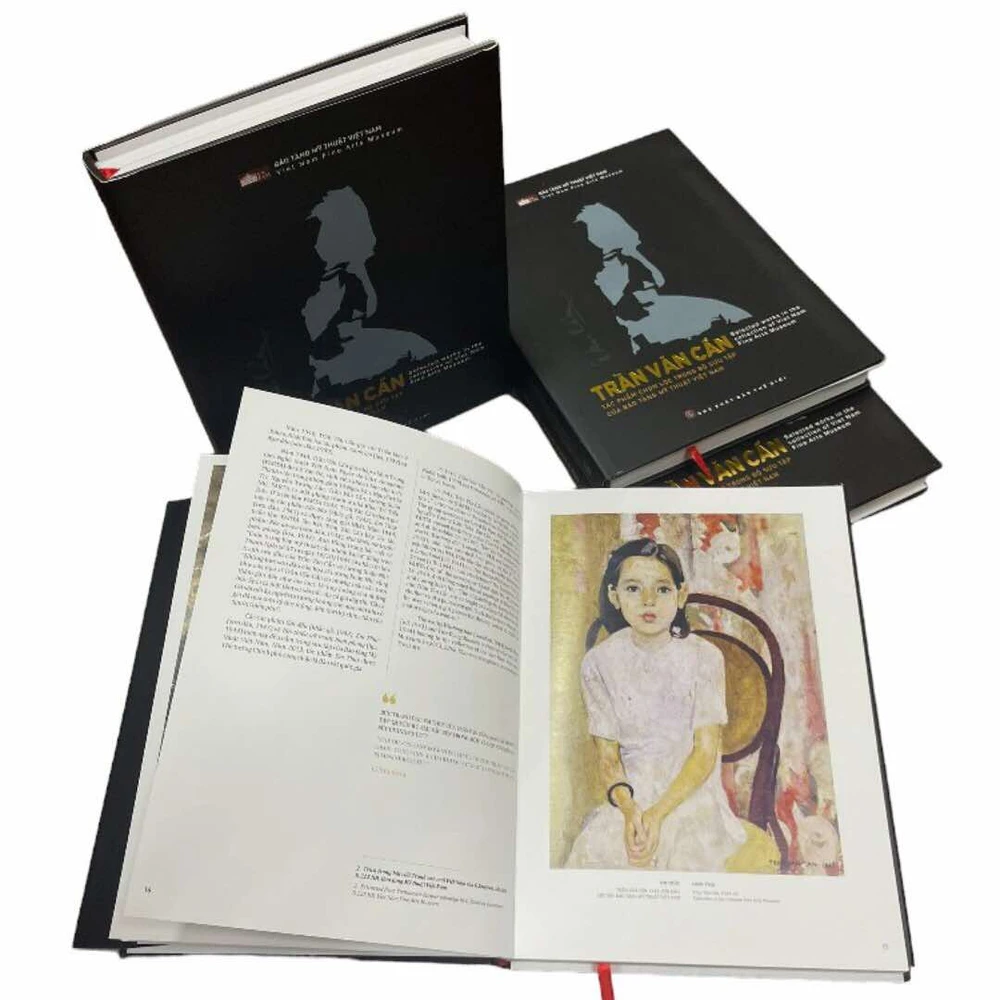
The 213-page book provides readers with writings, images and information about painter Tran Van Can’s paintings that are part of the Vietnam Fine Arts Museum’s collection. (Photo: The Courtesy of the museum)

Hanoi (VNA) – The Vietnam Fine Arts Museum on August 8 launched a book about works by Vietnamese famous painter Tran Van Can to mark his 30th death anniversary (1994-2024).

The 213-page book provides readers with writings, images and information about Can’s paintings that are part of the museum’s collection.

It is expected that the book will help readers learn more about Can – one of the greatest painters of modern Vietnamese fine arts. The book is not only a valuable reference for researchers and art students, but also a meaningful spiritual gift for those who love Vietnamese painting.

Born in the northern province of Bac Ninh in 1910, Can studied arts at the Ecole des Beaux Arts de Indochine from 1931-1937, where he was heavily influenced by college founder Joseph Inguimberty.

Can achieved "most excellent student", became a lecturer at the college and then headmaster from 1954-1964. His greatest contribution to Vietnamese modern painting was in lacquer.

With more than 50-year experience, he created numerous art works, which depict the diverse reality of the national battle for independence as well as the country's development process.

His highly acclaimed works include Em Thuy (Little Thuy), Goi Dau (Hair Washing), Cuu Nong Dan (Save the Farmers), Tru Giac Doi (Hunger Elimination), Cay Lua (Rice Transplanting), Nu Dan Quan Mien Bac (Northern Militiawoman).

Together with some other talented painters of his generation such as Nguyen Gia Tri, To Ngoc Van, Nguyen Phan Chanh, Nguyen Do Cung, Nguyen Sang, Nguyen Tu Nghiem, Bui Xuan Phai, Can helped set up the foundation for Vietnamese modern fine arts.

On this occasion, the museum received musical composition “Little Thuy’s Minuet” by Paul Zetter who was Assistant Director of the British Council Vietnam from 1998–2002. The music composition was inspired by Can’s “Em Thuy” painting.

Speaking at the event to hand over the musical composition, Zetter said that when he came to Vietnam in 1998, he began to learn about Vietnamese fine arts and accidentally found the painting “Em Thuy” in a book. He was extremely impressed by the innocent beauty of little Thuy and composed “Little Thuy’s Minuet”.

With the support of People’s Artist Ngo Hoang Quan, Zetter's composition was arranged for a chamber music group and was first performed at the Vietnam Museum of Fine Arts during the book launch.

The museum’s director Nguyen Anh Minh said that this is the first time the museum has received a musical work. It will be used in the museum’s digital platforms as a brand identity and in its concert programmes.

Since late 2022, the museum has organised regular concert series "When Music Blends with Fine Arts" which aim to create opportunities for the public to access two pinnacle art forms - symphonic music, and fine arts./.
VNA

See more

A performance at the Vietnam–Korea Festival 2026 in Da Nang city (Photo: VNA)

Vietnam–Korea Festival 2026 kicks off in Da Nang

Now in its fifth edition, the festival has cemented its place as Da Nang’s signature annual diplomatic event, spotlighting the distinct cultures of both nations, fostering friendship and driving cooperation with Korean localities and partners.

A performance at the opening ceremony of the 2026 Hanoi International Martial Arts Festival on August 7 (Photo: VNA)

Hanoi opens international martial arts festival

The event attracts about 2,000 martial artists of 66 delegations, including seven international delegations from six countries, namely Indonesia, Russia, France, Germany, Switzerland and Morocco.

The statue of Vietnam's King Ly Thai To ( (974 - 1028) in Bonghwa county (Photo: VNA)

RoK to develop K-Vietnam Valley project linked to Ly Dynasty heritage

With the designation in place, Bonghwa will carry out eight specialised projects worth a combined 347.6 billion KRW (245.1 million USD) from 2026 to 2030 – among them the K-Vietnam Valley itself, tourism development around Changpyeong Reservoir, rental smart farms, and a Baekdudaegan healing ‘pet village.’

The organising committee presents awards to outstanding martial artists at the festival. (Photo: VNA)

9th Int’l Festival of Vietnamese Traditional Martial Arts wraps up

The ninth International Festival of Vietnamese Traditional Martial Arts has fostered the martial spirit, strengthened national pride, promoted cultural exchanges and reinforced the aspiration to bring Vietnamese traditional martial arts to a wider international audience.

An appetising bowl of My Quang features a rich combination of ingredients. (Photo: VNA)

Da Nang to host festival honouring Quang Nam-style noodle soup

My Quang is not only a signature dish of the Quang region but also reflects the history, culture and daily life of communities in central Vietnam. With its diverse ingredients, preparation methods and distinctive flavours, the noodle soup has become one of Vietnam's best-known culinary specialities, helping strengthen Da Nang's position on the culinary tourism map.

Hanoi’s traditional silk weaving craft continues to be preserved and developed today. (Photo: VNA)

Van Phuc silk weaving village officially recognised as Hanoi tourist destination

With its millennia-old heritage and growing integration of preservation and innovation, Van Phuc silk weaving village is poised to become a distinctive cultural destination, helping promote Hanoi’s sustainable cultural tourism and bring the quintessence of Vietnamese silk weaving closer to domestic and international visitors.

Minister of Construction Tran Hong Minh speaks at the session (Photo: VNA)

Lawmakers mull over changes to architecture law

On architectural management, the draft Law amending and supplementing several articles of the Law on Architecture clarifies the concept of “national cultural identity in architecture”, tying design to the preservation and promotion of regional heritage. It pushes architecture that mirrors local identity and fits each locality’s natural, historical and social conditions, while setting criteria to identify, assess and protect architecturally valuable buildings as a distinct form of cultural heritage.