(Photo:VNA)
VNA
(Photo:VNA)

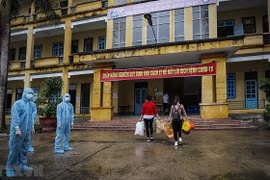



Plastic surgery has long been associated with procedures for women, but men also seek treatment for abdominal fat, enlarged breasts and age-related changes around the eyes and face. The American Society of Plastic Surgeons (ASPS) includes liposuction, gynecomastia surgery and eyelid surgery among procedures performed on male patients.
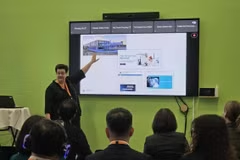
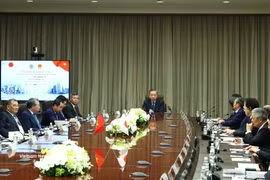
Ambassador Nguyen Le Thanh called on Vietnamese and Danish partners to identify priority areas and promote research and training programmes, knowledge transfer and technology application in line with Politburo's Resolution No. 57-NQ/TW on breakthroughs in science – technology development, innovation and national digital transformation.
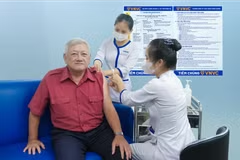
Experts recommend annual flu vaccination, while also considering enhanced protection options suited to this high-risk group.
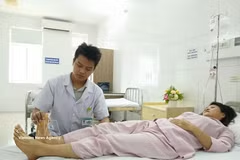
The country's abundant medicinal resources provide a cornerstone for leveraging the strengths of traditional medicine and expanding opportunities to develop high-value medicinal products.
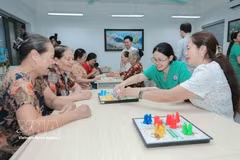
Dr. Huynh Minh Chin, Deputy Director of the department, said rising elderly care needs are putting pressure on traditional family-based care, as older people increasingly face multiple chronic illnesses, mobility problems, malnutrition, dementia and depression, requiring continuous support and closer coordination among hospitals, grassroots healthcare facilities, families and social support institutions.
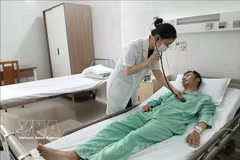
Demand for healthcare, better quality of life and physical and mental well-being has grown in recent years, making wellness tourism an increasingly valuable market segment that can extend visitors' stays, boost spending and stimulate related sectors.
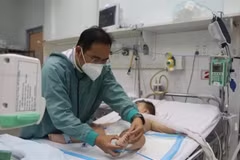
The city recorded more than 44,000 cases from the beginning of the year, up over 65% year-on-year, along with five deaths and more than 1,600 outbreaks, according to the municipal Department of Health.
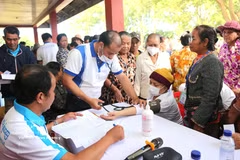
Vietnamese Ambassador Nguyen Minh Vu said the programme has been jointly organised by the embassy and the hospital annually in various Cambodian localities to provide healthcare support to disadvantaged households and contribute to the Cambodian Government’s efforts to improve public health. The initiative also reflects close cooperation in healthcare and the strong bonds between the people of Vietnam and Cambodia.
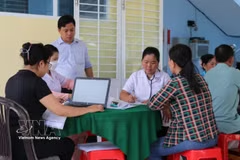
The Ministry of Health, in coordination with the Ministry of Public Security, is tasked with completing the integration of electronic health records into the VNeID system for 100% of the population before June 30, 2027, according to a notice issued by the Party Central Committee’s Office.

Standing Deputy Minister of Health Vu Manh Ha said that the 2006 Law on Donation, Removal and Transplantation of Human Tissues and Organs and Donation and Removal of Cadavers has established an important legal framework, contributing to the development of tissue and organ transplantation in Vietnam.
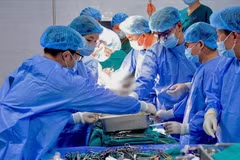
The fifth transplant set a milestone with a cold ischemia time of approximately 18 hours during transport across more than 1,800km.
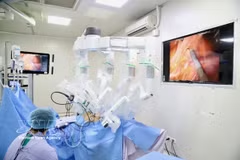
Recent developments in Hanoi and other localities highlight efforts to develop specialised treatment, standardise professional practices and apply artificial intelligence (AI) and advanced medical techniques, towards a more modern healthcare system.

Hanoi-based Bach Mai Hospital has become the first healthcare facility in Vietnam to earn the “Advanced Stroke Centre” certification from the World Stroke Organisation (WSO).
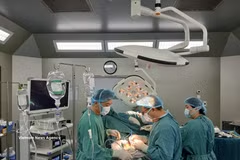
An official of Ho Chi Minh City said the city's specialised hospitals, skilled workforce and modern medical capabilities provide a strong foundation for developing services in specialised treatment, dentistry, assisted reproduction, cosmetic procedures and health check-ups.
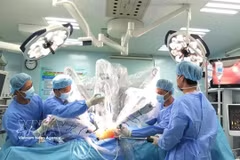
The country now has 34 transplant centres capable of performing heart, liver, lung, kidney and cornea transplants. Beyond single-organ procedures, Vietnam has also mastered multi-organ and domino transplant techniques.
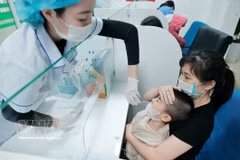
According to the Ho Chi Minh City Centre for Disease Control (HCDC), influenza viruses are are among the fastest-rising pathogens, with 151 positive samples in a single week. Influenza A is the dominant strain, with A/H1N1pdm09 in 116 samples, or nearly 77%.

The strategy aims to create a traditional medicine economy with high valued added, support health tourism, help enhance the national soft power, and build Vietnam’s national brand in traditional medicine.
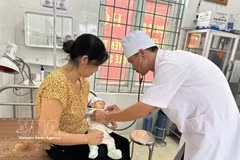
In recent years, alongside efforts to improve the quality of medical examinations and treatment, Phu Tho province’s health sector has focused on creating civilised, friendly hospital environments and strengthening healthcare workers’ sense of responsibility and service-oriented attitudes, with the aim of earning patients’ trust and satisfaction.
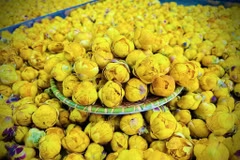
Vietnam is one of the world’s biodiversity-rich countries, with more than 5,100 medicinal plant and fungal species, along with hundreds of animal and mineral species used in traditional medicine.
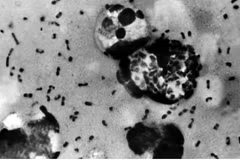
Vietnam reaches out to WHO after death of Russian lab worker