Ensuring medical security, disease prevention and control, food safety, environmental hygiene, and readiness to handle all medical contingencies is among the key tasks directly contributing to the success of the 14th National Party Congress.
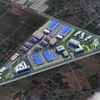
The Hanoi Medical University Elderly Health Care - Medical Complex is designed as a multi-functional integrated hub combining high-quality medical services, education and clinical training, scientific research, technology transfer and comprehensive elderly care, forming a synchronised healthcare–education–research ecosystem.
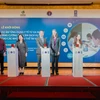
As Vietnam’s population ages rapidly, Dr Angela Pratt, WHO Representative in Vietnam, identified two strategic priorities: strengthening primary healthcare and developing a formal long-term care system. These measures are essential not only for healthy ageing, but also as long-term investments with wide-ranging socio-economic returns.
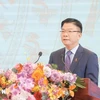
Deputy Minister of Health Tran Van Thuan called on experts and healthcare workers to uphold a strong sense of responsibility, professionalism and expertise to ensure that medical services for the 14th National Party Congress are delivered safely, effectively and with the highest level of care.
The eight-week delay far exceeded expectations and highlights the hospital’s high level of expertise and strong multidisciplinary coordination in managing rare, high-risk obstetric cases, giving fragile lives a precious chance from the very beginning.
The 108 Military Central Hospital, on January 12, announced that it had successfully performed a multi-organ transplant from a brain-dead donor, a health care worker.
Medical teams will participate in a full rehearsal at the National Convention Centre on January 13 to finalise all preparations ahead of the 14th National Party Congress, which will take place from January 19 to 25.
The Red Sunday campaign has mobilised hundreds of thousands of blood units, making a significant contribution to reducing blood shortages during the Lunar New Year (Tet) Festival.
Participating experts underscored that smooth communication and close coordination among medical forces are a decisive factor in efficient emergency response.
Health insurance participants from near-poor households and those aged 75 and above who are receiving social pension allowances will be entitled to 100% coverage of medical examination and treatment costs within the scope of health insurance benefits.
Hanoi's health sector will continue to expand the comprehensive use of digital technology in professional practices to improve management efficiency and service quality, aiming to develop a modern, transparent, and people-centred healthcare system.
Most recently, University Medical Centre HCM City successfully performed two simultaneous transplants, a heart and a liver, using organs donated from a brain-dead patient at People’s Hospital 115.
This is Vietnam’s first pilot initiative combining postal services with low-altitude aviation technology for healthcare purposes, highlighting Vietnam Post’s pioneering role in organising and operating innovative technological solutions in service of the community.
The programme’s overarching goal is to ensure that all people receive primary healthcare management and early, preventive care delivered close to home, thereby reducing disease burden; to increase the total fertility rate and strive for a balanced sex ratio at birth; to adapt to population ageing while improving population quality; to improve care for vulnerable groups; and to contribute to improvements in physical and mental health, stature, life expectancy and overall quality of life, towards building a healthier Vietnam.
Self-care is an essential component of primary healthcare, with WHO defining it as the ability of individuals, families, and communities to promote and maintain health, prevent disease, and cope with illness with or without the support of healthcare professionals.
In recent years, Vietnam's Ministry of Health has held numerous meetings with relevant units to assess the progress in developing proton therapy centres in the country. The project for establishing proton therapy centres is set to commence preparations in 2025 and aims for completion between 2026 and 2030.
Nam Can Tho University Hospital on December 15 hosted a ceremony to announce its accreditation by the American Accreditation Commission International (AACI), a US-based body, becoming the first facility in the Mekong Delta and among a select few in Vietnam to earn the distinction.
The meeting took place following an assessment by the World Health Organisation (WHO) warning that Vietnam is facing a very high risk of polio import and re-emergence. The risk arises after neighbouring Laos officially declared a polio outbreak on October 7, following the detection of circulating vaccine-derived poliovirus type 1 (cVDPV1).
The National Assembly on December 11 adopted a resolution on the National Target Programme on Healthcare, Population, and Development for the 2026–2035 period, marking a significant step in Vietnam’s long-term commitment to improving public health and population quality.
WHO Representative in Vietnam Dr Angela Pratt said, “WHO is delighted with the decision to include e-cigarettes and HTPs in the list of banned enterprises under the Investment Law, without exceptions. This is crucial for upholding the National Assembly’s ban on these products – Resolution 173.”