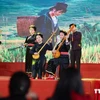
The festival brings together a wide range of distinctive cultural, artistic and experiential spaces, vividly showcasing Vietnam’s traditional culture in dynamic interaction with contemporary spirit.
Happy Tet is designed as a journey to experience the traditional Lunar New Year (Tet) celebrations of Hanoi and various regions across the country.
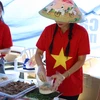
Crafted by skilled artisans, the pure white hats, with their neat stitching and elegant lines, bear the distinctive identity of Sai Nga village.
As Tet approaches, traditional craft villages in the province are entering their busiest period. In kumquat and flower-growing villages, farmers are completing the final stages of care to ensure their products meet market demand in both quality and appearance.
More than a marketplace, the event offers visitors direct access to live demonstrations of age-old production methods, personal interaction with master artisans, and hands-on workshops that let them create their own pieces.
The research team highlighted that smoked mummies in East Asia predate the famous mummies of Egypt and South America by several thousand years, offering groundbreaking insights into the global history of mummification.
As the country enters a new era marked by extensive global integration, digital transformation and global competition, culture has ascended to its rightful place as soft power.
Free from urban sophistication, Northwestern cuisine captivates diners with its honesty, rustic charm and deep cultural roots, evoking the warmth and rhythm of life in the highlands.
Vietnamese Ambassador to China Pham Thanh Binh described pho as a “national dish” and a cultural symbol of Vietnam. He said the event aimed to build bridges bringing international friends closer to Vietnam's culinary culture, thereby enhancing mutual understanding and people-to-people exchanges.
The zone “Essence of Vietnamese culture – Vietnamese Spring Colours” serves as the cultural heart of the fair, with its layout skillfully blending traditional elements with modern exhibition techniques, creating a space that feels both approachable and culturally resonant.
The fashion week is designed as a series of interconnected activities in which culture, creativity, community and commerce are closely linked in a continuous experiential cycle.
Vietnam seeks to enhance global awareness, goodwill and trust toward the country, its people, culture and development achievements, thereby helping affirm national stature, prestige, identity and competitiveness in the region and worldwide.
The programme aimed to revisit the nation’s revolutionary traditions and reaffirm the Party’s comprehensive leadership throughout the revolutionary process, from the struggle for national independence to national construction and development during the renewal period and international integration.
Vietnam’s music industry entered a decisive new phase in 2025, marked not only by rapid expansion in scale, but also by rising professionalism, deeper audience engagement and growing international visibility.
Running from February 1 to 25, the programme brings to life the festive atmosphere of Tet during the Le Trung Hung (Revival Le) Dynasty (1533–1789) alongside the folk Tet traditions of ancient Thang Long, helping to spread and honour Vietnam’s rich cultural heritage.
The target is set out in the Government’s strategy to promote Vietnam’s global image for the 2026–2030 period, with a vision to 2045, approved by the Prime Minister on January 27. The strategy underlines that promoting Vietnam's image abroad is not merely information activities, but a strategic "soft" tool serving the country's development.
According to the Organising Committee, the artistic programme of Spring Fair 2026 is designed to honour traditional cultural values, inspire national pride and promote confidence in Vietnam’s future. By bringing a wide range of art forms into an open, friendly public space, the fair allows audiences to experience high-quality performances in a festive setting.
Miss Multicultural World 2026, a beauty pageant founded by a Vietnamese organiser, will be held in Hanoi for the first time.
These activities recreated the Tet festival - the most significant celebration in Vietnamese culture, helping the young people in the RoK connect with their heritage and introducing Vietnamese culture to Korean attendees.
Bringing together more than 100 photographs, the exhibition revisits pivotal chapters of the nation’s revolution, from the August Revolution of 1945, victories in the resistance wars against the French colonialists and US imperialists, to achievements of the Doi moi (Renewal) process that have strengthened Vietnam’s international standing and improved people's living standards.