Under national mineral planning for 2021–30, Vietnam targets annual output of 114–118 million tonnes of bauxite, 11.6–18.6 million tonnes of alumina, and 120,000–150,000 tonnes of primary aluminium annually. Beyond 2030, the country plans to increase primary aluminium output to 225,000–245,000 tonnes per year.
The Ministry of Industry and Trade is drafting a scheme on diversifying imported raw material sources for domestic production, with feedback from industry associations and businesses being incorporated into concrete proposals and support policies.
Import and export activities between Vietnam and China were moderate in the first two months of the year, with a value exceeding 31 billion USD. Since the beginning of the year, China has tightened imports of certain items from Vietnam, including durian fruit.
Vietnamese exporters have proactively diversified their markets from the start of the year to mitigate risks as they may soon face significant tax hikes globally, said industry insiders and experts.
Vietnam’s tra fish export could reach the set target of 2 billion USD this year driven by industry improvements, heard a workshop held in Cao Lanh city, the Mekong Delta province of Dong Thap, on November 17.
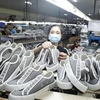
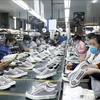
Vietnam needs breakthrough solutions to upgrade the value chains of the garment and footwear industries with the focus on achieving self-sufficiency in raw materials to increase added value and develop sustainably.
The Ministry of Industry and Trade is considering the establishment of an international centre to create, store and trade raw materials for textile and leather footwear production in Vietnam, towards ensuring the supply chains for those sectors.
The country's textile, garment and footwear industries have long relied on imported raw materials, causing a current trend of foreign enterprises shifting industries to other countries, said insiders.
Many enterprises are concerned about adverse impacts of the sharp appreciation of the US dollar on their business and production if the greenback continues to see fluctuation in the future, especially at the middle and end of the year.
A delegation from the Cashew Exporters Association of Ivory Coast (AEC-CI) held a working session with representatives from the Cashew Association of Binh Phuoc province on December 7 on cooperation possibilities between the two sides.
Vietnam spent a total of 4.27 billion USD importing animal feed and raw materials in the first 10 months of this year, down 5.2% year-on-year, according to the Vietnam Customs.
Vietnamese firms should foster their imports of raw materials from the United Kingdom (UK) to enjoy preferential tariffs brought by the UK-Vietnam Free Trade Agreement (UKVFTA), trade experts have suggested.
The plastics industry is likely to reduce imports of raw materials in the coming years due to increased domestic production, according to the Vietnam Plastics Association.
On the global map of herbs, Vietnam is assessed to possess a diverse source and its proportion of rare and precious natural medicinal herbs remain quite high, said Tran Minh Ngoc, deputy head of the Ministry of Health’s traditional medicine management department.
The information and communication technology sector has grown by 6-9% each year and has often exceeded the country’s GDP growth rate in recent years, attendees were told at workshop held by the Ministry of Information and Communications (MIC).
A seminar on how to fully tap the benefits of imports and investment from the EU – Vietnam Free Trade Agreement (EVFTA) was held by the Cong Thuong (Industry and Trade) Magazine on December 6.
Vietnam's imports of raw materials for processing animal feed in the first seven months of this year surged to 3.1 billion USD as domestic supply only met about one-third of local demand.
While many exporters and producers had orders for 2022, they are worried about a possible shortage of production materials because of supply disruptions from China.
A circular economy aims to circulate the waste within a single enterprise or turn waste from one industry into a resource for another. According to the United Nations Industrial Development Organisation (UNIDO), a circular economy is a closed production cycle, where waste is returned as raw materials for production, thereby reducing any negative impact on the environment, ecosystems, and health.