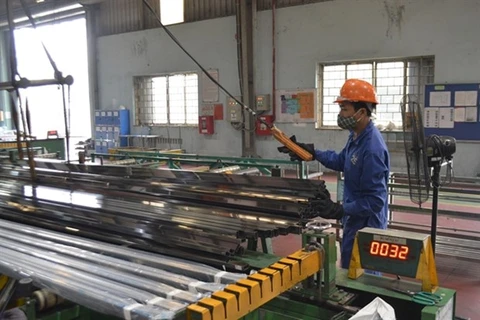
Up to 56% of surveyed businesses said that they often use foreign currencies for transactions, of which more than 90% of transactions are valued at 50,000 SGD (37,760 USD) or more. (Photo: AFP/VNA)
 Hong Kong (VNA) – Cash flow shortage is a common challenge faced by small- and medium-sized enterprises (SMEs) in Southeast Asia, with 58% of those from Singapore, Malaysia, Thailand and Indonesia reporting their existing cash flow sufficient to sustain their operations for six months, according to a YouBiz report.
The document on business expenses estimate for 2023 coming out on January 18 underlined that the first important task of SMEs was to reduce operating costs.
It was made based on an analysis of more than 60,000 commercial transactions from 4,500 businesses.
More than 60% of the SMEs have applied digital tools to optimise business operations and reduce costs. Tools that were used by SMEs for over six months include customer service software (42%), email marketing software (39%), project collaboration tools (35% ), e-commerce software (39%) and marketing automation (32%).
Along with the reopening of borders and easing of regulations related to tourism, enterprises want to resume tourism activities to participate in face-to-face conferences, enhance business partnerships with new partners as well as explore potential markets.
More than 70% of the SMEs said that global payment is a key factor to ensure business continuity during the COVID-19 pandemic. These businesses also intend to continue to use the global payment method or use it more often, increase cross-border customers and cooperate with more partners.
Up to 56% of surveyed businesses said that they often use foreign currencies for transactions, of which more than 90% of transactions are valued at 50,000 SGD (37,760 USD) or more./.