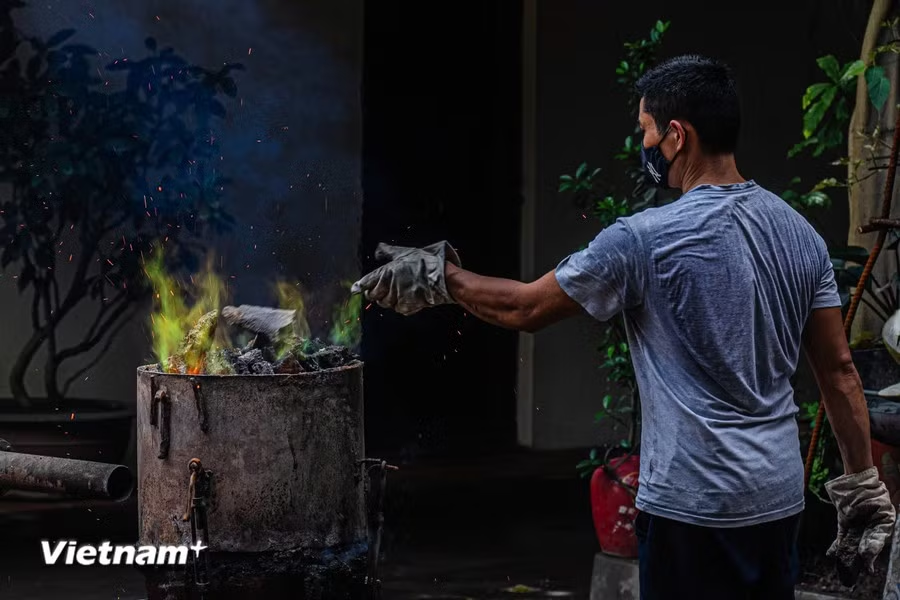
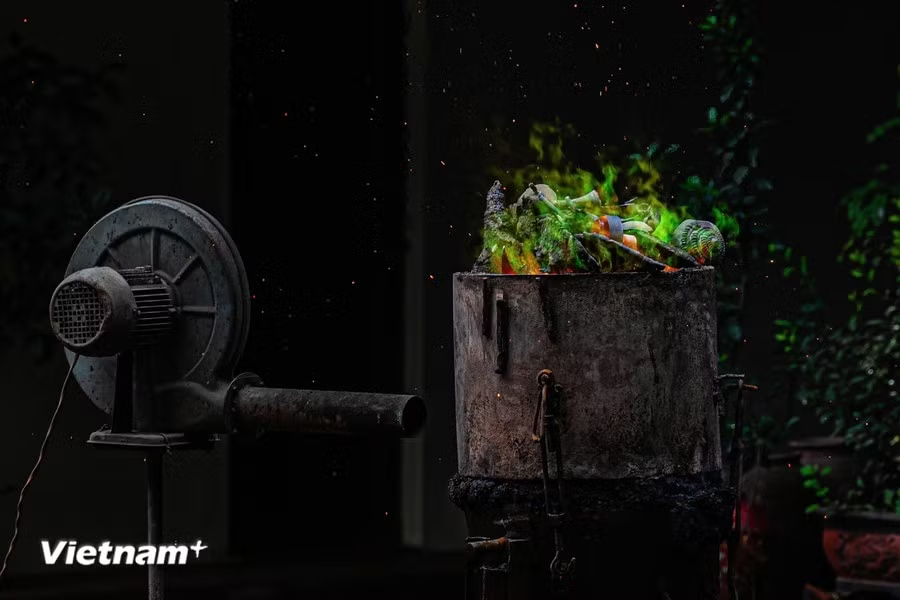
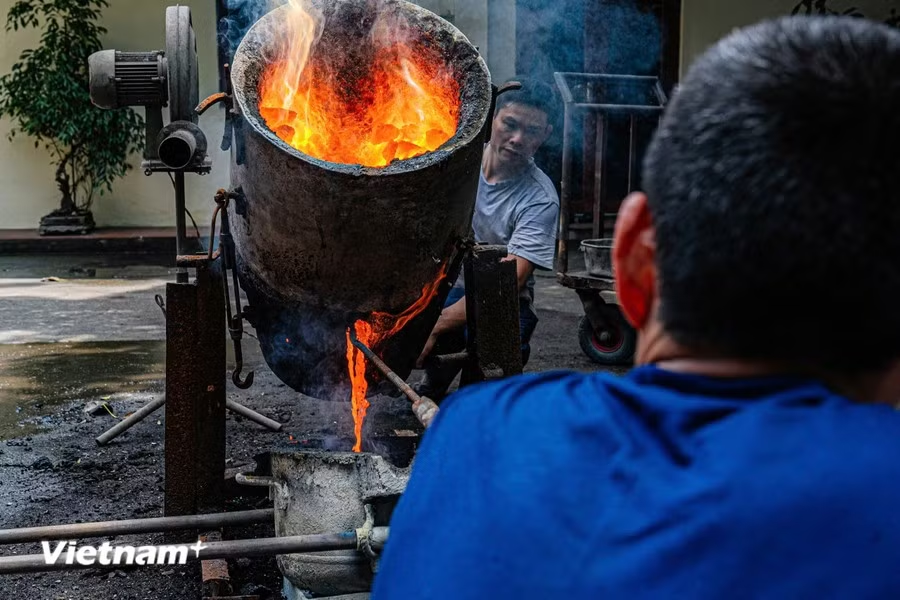
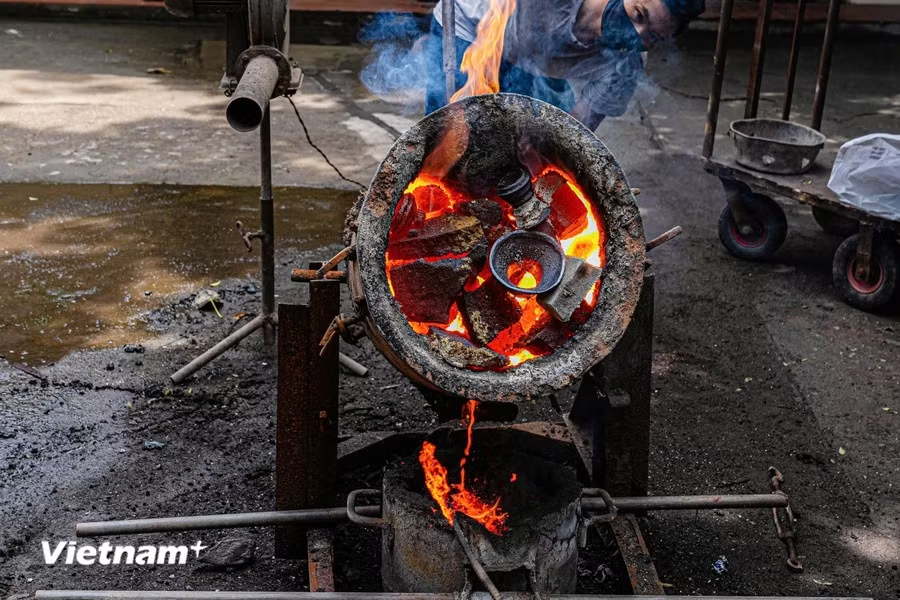
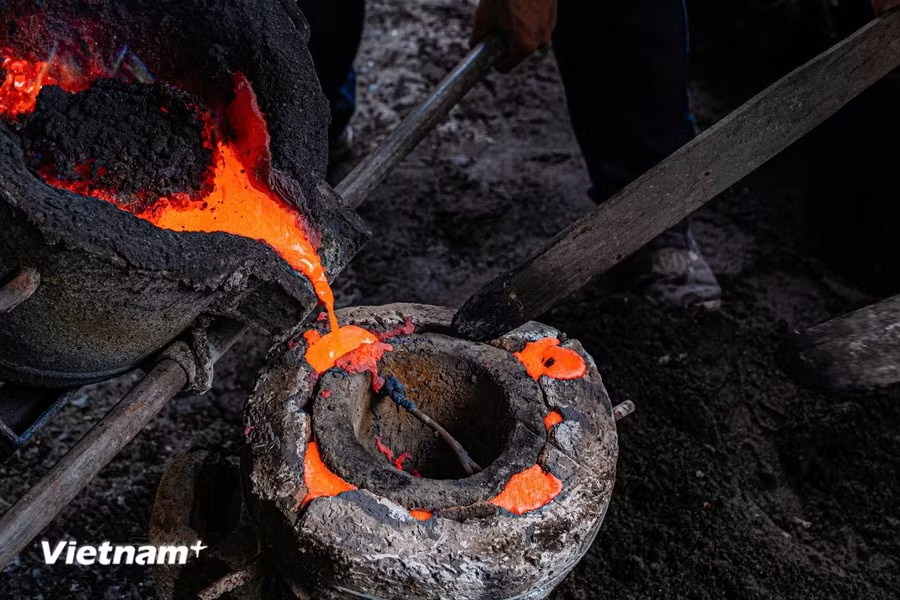
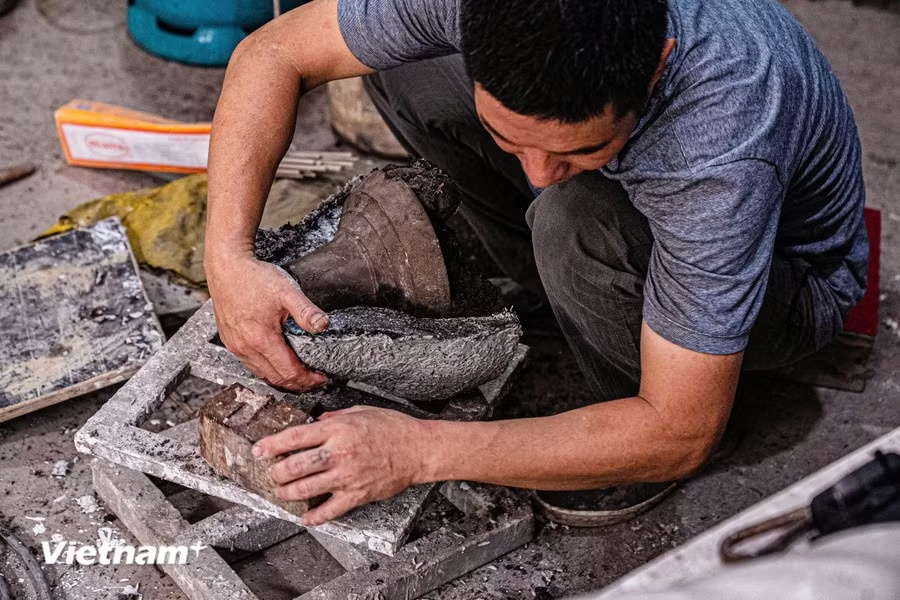
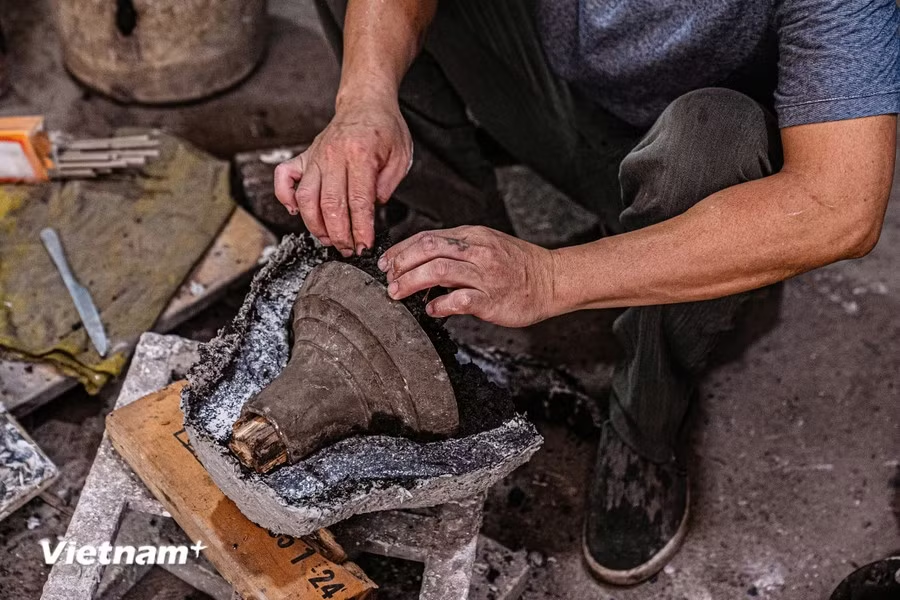
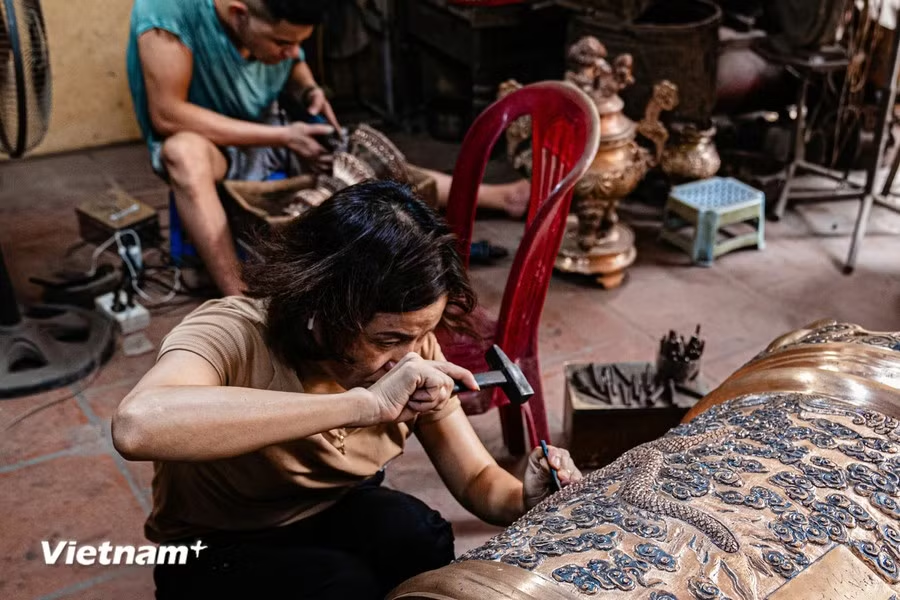


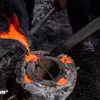



According to the history of the craft village, in the 1600s, the imperial court of the Le Dynasty invited five highly skilled bronze casters from the villages of Dong Mai, Chau My, Long Thuong, Dao Vien, and Dien Tien to the capital, forming what is now known as Trang Ngu Xa. To honor the five villages of origin, the locals named their village Ngu Xa. (Photo: Vietnam+)
In the past, Ngu Xa village specialised in casting coins and ritual items for the imperial court. Over time, the casting industry expanded, villagers began to produce everyday items such as trays, pots, and washbowls. (Photo: Vietnam+)
In addition, Ngu Xa also made various ritual objects such as statues of Buddha, incense burners, incense holders, candle stands, flower vases, and sets of three or five ceremonial objects. (Photo: Vietnam+)
As a result, Ngu Xa copper casting village became well-known and familiar to people throughout the country, and the tradition continues to be preserved and developed. (Photo: Vietnam+)
In the 20th century, after the Dien Bien Phu Victory and the liberation of Hanoi in 1954, in response to the changing needs of the time and society, the people of Ngu Xa shifted to casting aluminum, producing items such as pots, and household products to serve the resistance war as well as daily life. (Photo: Vietnam+)
Throughout many challenging historical times and significant social upheavals, the people of Ngu Xa village were determined to preserve the values of their craft, continuing to refine their skills and pursue further expertise in their trade. (Photo: Vietnam+)
To this day, despite the risk of the craft fading, the younger generations in Ngu Xa continue to diligently learn and practice, inheriting the expertise passed down for over 400 years. (Photo: Vietnam+)
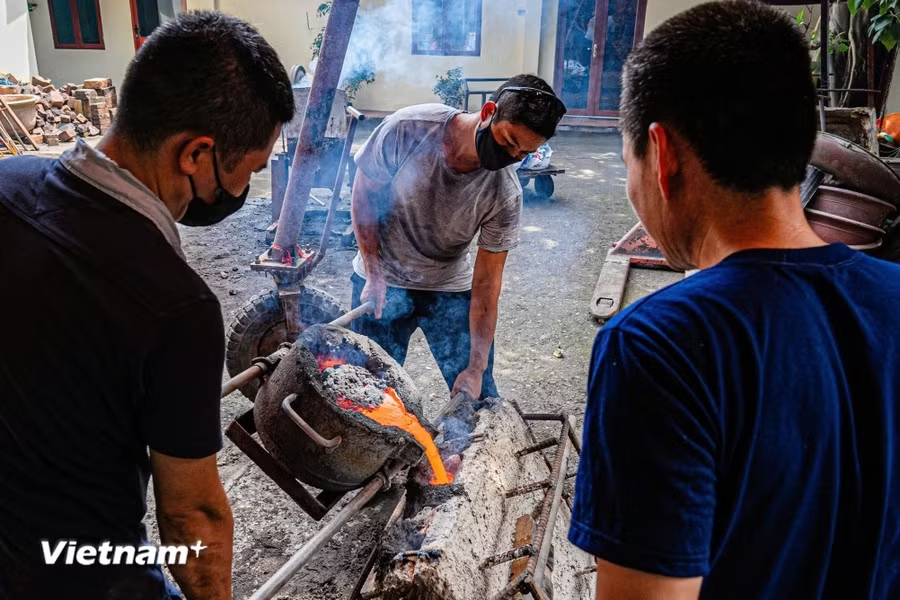
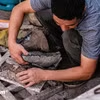
The distinctive feature of Ngu Xa’s copper products is the solid casting technique. Casting solid pieces for smaller products is already not simple, and for larger-sized items, it becomes even more difficult and complex. (Photo: Vietnam+)
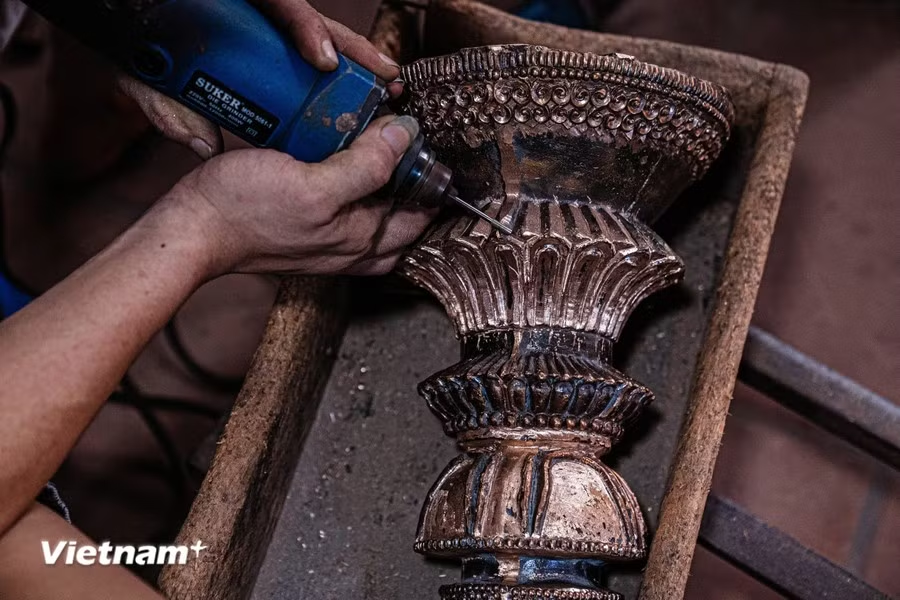
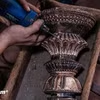
Skilled craftsmen carve intricate patterns onto the products. (Photo: Vietnam+)
With skilled hands and a deep understanding of their craft, artisans transform pieces of raw bronze into works of art. (Photo: Vietnam+)
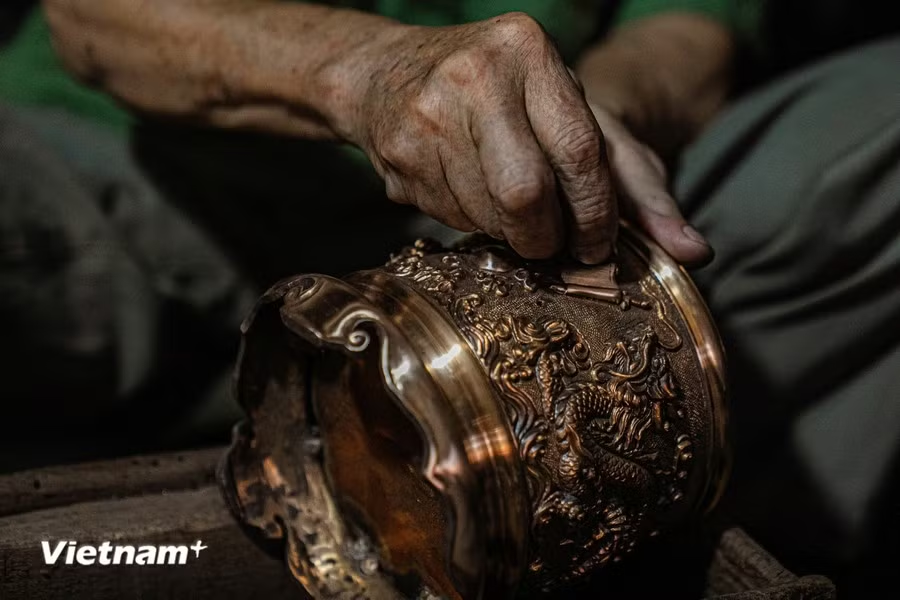
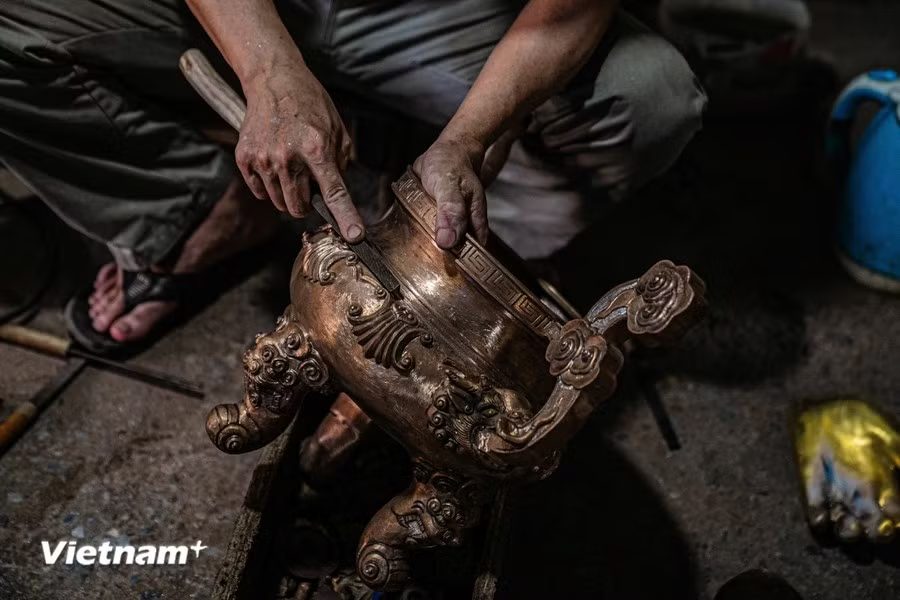
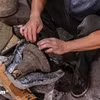
The bronze products undergo various processes that require meticulousity and patience of the craftsmen. (Photo: Vietnam+)
The final step involves polishing to achieve the complete product. (Photo: Vietnam+)
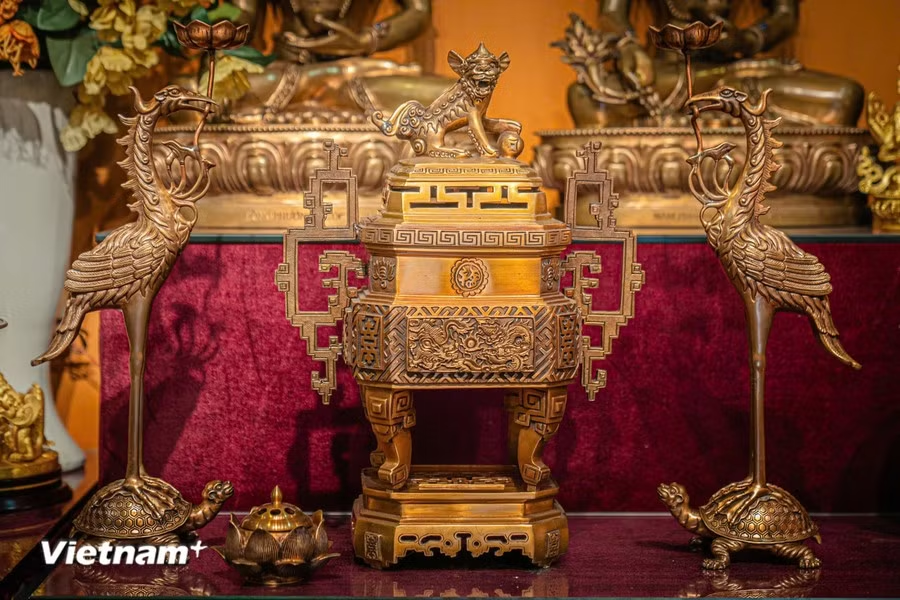
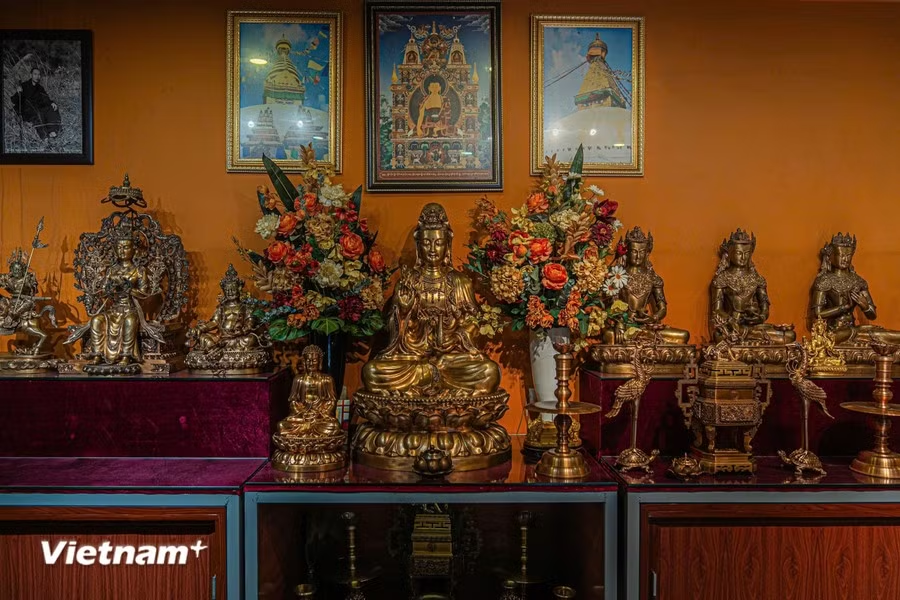
The main bronze products today typically include ceremonial objects such as incense burners, tripods, candle holders, vases, and sets of three or five bronze offerings. (Photo: Vietnam+)
Additionally, there are products like Buddha and Bodhisattva statues. (Photo: Vietnam+)
0
1
2
3
4
5
6
7
8
9
10
11
12
13

Thang Long bronze casting village keeps kilns burning over four centuries

Dating back to the 17th century, bronze casting in Ngu Xa village is regarded as one of the four premier crafts in the ancient Thang Long imperial citadel. Today, this village continues to steadfastly uphold its craft in the flow of history.