Medical workers take samples for COVID-19 testing for workers of the Tan Son Nhat International Airport. In the transportation sector, the airline industry was most affected during the pandemic. (Photo: VNA)
 The VGCL recently announced the results of a survey assessing the impact of the pandemic on workers.
The survey was performed at 124 agencies and organisations with more than 115,000 employees nationwide.
The results show that during the peak of the pandemic, from April to May last year, nearly 70 percent of Vietnamese workers had their employment status directly affected.
Specifically, 38.9 percent were laid off or took turns with their colleagues to leave work and 26.4 percent had temporary work stoppages.
In terms of income, 80.4 percent of workers in the transportation sector faced a reduction in wages while the general figure for all sectors was about 50 percent.
For the private transport group, the reduction was up to 90-100 percent due to the inability to work as people minimised travel and public contact.
In the transportation sector, the airline industry was most affected. During peak times, all domestic and international commercial flights were stopped and almost all crew members, including pilots and flight attendants, were out of work.
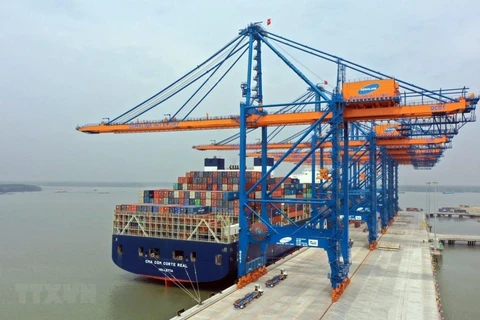
The maritime industry was the lone bright spot of the transport group.
According to the Vietnam Maritime Administration, last year, the maritime industry was also affected by the pandemic, but thanks to the relatively independent characteristics of shipping and market demand for trade, the total volume of goods through Vietnam's seaport system still maintained modest growth, so employees' income was mostly stable.
Transport saw 21.3 percent of workers cutting their social insurance contributions, the highest figure behind only workers in the service and tourism sector at 31.7 percent.
The VGCL also said that while taking time off from work,19.7 percent of workers in the transport sector could only stay at home to take care of their children while 11.7 percent looked for other jobs to earn extra income.
Regarding the family's economic and financial situation, 71.4 percent had to thoroughly reduce their expenses, 38.1 percent had to use savings and 13 percent had to borrow money from relatives or banks.
Director of the Sai Gon Railway Transport Joint Stock Company Dao Anh Tuan told the Vietnam News Agency that the company’s Tet revenue was down 30 percent compared to the same period last year, forcing two units of the company to narrow their production and temporarily lay off some staff.
Tran Bao Ngoc, Director of the Transportation Department under the Ministry of Transport (MoT), said that the MoT had issued a number of documents directing agencies and units to focus on solving problems and proposing to the Government solutions to solve difficulties for transport enterprises.
The Ministry of Finance advised the Government to continue implementing a support package for businesses affected by the COVID-19 pandemic, including all individuals and business households can have tax payment deadline extensions.
He said this will help businesses improve working capital during the deferred payment period to better productivity and business./.
VNA