Ho Chi Minh City-based Tu Du Obstetrics Hospital on October 12 held a ceremony to mark the first laparoscopic surgery that local gynaecological doctors conducted with French assistance 20 years ago.
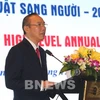
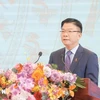
Addressing the event, French Consul General Gerard Boivineau applauded achievements Tu Du hospital has recorded. He said the medical cooperation between France and Vietnam , especially the Faisant Fonction d’Interne (FFI) training programme, is a great success in the two countries’ ties.
Over the past 20 years, nearly 2,200 Vietnamese doctors have attended refresher courses in France , he said, adding that his country has helped Vietnam develop post-graduate training programmes, of which 11 programmes were implemented in Hanoi and HCM City .
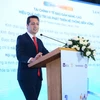
Pham Viet Thanh, Tu Du Hospital’s Director, said the hospital is the first in Vietnam to receive the transfer of laparoscopic surgical techniques in gynaecology from France .
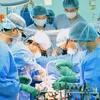
Since 1990, with the support of major laparoscopic surgery centres in Paris , Clermont Ferrand and Nice, the hospital’s doctors have mastered surgical techniques for extra-uterine pregnancy, ovarian cancer and sterility, he said.
The hospital has also carried out training programmes on laparoscopic surgery for doctors from medical institutions across the country and Laos and Cambodia , he added./.
Addressing the event, French Consul General Gerard Boivineau applauded achievements Tu Du hospital has recorded. He said the medical cooperation between France and Vietnam , especially the Faisant Fonction d’Interne (FFI) training programme, is a great success in the two countries’ ties.
Over the past 20 years, nearly 2,200 Vietnamese doctors have attended refresher courses in France , he said, adding that his country has helped Vietnam develop post-graduate training programmes, of which 11 programmes were implemented in Hanoi and HCM City .
Pham Viet Thanh, Tu Du Hospital’s Director, said the hospital is the first in Vietnam to receive the transfer of laparoscopic surgical techniques in gynaecology from France .
Since 1990, with the support of major laparoscopic surgery centres in Paris , Clermont Ferrand and Nice, the hospital’s doctors have mastered surgical techniques for extra-uterine pregnancy, ovarian cancer and sterility, he said.
The hospital has also carried out training programmes on laparoscopic surgery for doctors from medical institutions across the country and Laos and Cambodia , he added./.