IVC President Einat Halevy Levine (Photo: VNA)
 Tel Aviv (VNA) – Leaders of Vietnamese localities are more open to business opportunities, showing greater interest in seeking good technologies and economic development opportunities without being concerned about personal economic benefits or political advancement, President of the Israel-Vietnam Chamber of Commerce (IVC) Einat Halevy Levine, who has 10 years of experience in the Vietnamese business environment, has said.
In an interview recently granted to the Vietnam News Agency's resident correspondents on the occasion of the 30th anniversary of bilateral diplomatic ties this year, Einat said over the past more than a decade, Vietnam has undergone positive changes in terms of the quality of life and business environment. Many people are proficient in foreign languages, able to follow western working styles, and, notably, possess an entrepreneurial spirit.
Indeed, the business environment in Vietnam has become much more favourable. Nowadays, Vietnam is widely recognised as a promising business opportunity in the region. Companies from Israel, for example, understand that if they want to set a foothold in Southeast Asia, Vietnam is a good starting point, even better than other countries in the region, she said.
Thanks to her understanding of Vietnamese culture, Einat has been assisting Israeli firms interested in Vietnam in learning about its business culture, thus enabling them to do business more effectively. Einat has worked with numerous Israeli companies, providing advice and support in relocating their production facilities from China or Eastern Europe to Vietnam, where they can find better business conditions, efficiency, and lower labour costs.
Asked about the role of the Communist Party of Vietnam (CPV), the sole ruling party that leads the country to these economic achievements, Einat said one of the specific accomplishments is the better transport infrastructure thanks to the CPV’s effective policies which enable foreign investors to access the domestic business environment easily.
According to her, Vietnam boasts an abundant, young and well-trained workforce. Notably, many people from rural areas display great dynamism and open-mindedness when they move to urban areas, demonstrating resilience in the face of challenges.
Although Vietnamese people hold onto their traditional beliefs and values, they have quickly adapted to a dynamic and constantly changing work environment. Israeli businesses coming to Vietnam expressed their satisfaction with hardworking workers who can communicate in foreign languages and quickly integrate into a different culture, she said.
Recalling her working trips to several Vietnamese localities, including Hanoi and Ho Chi Minh City, in February to connect opportunities for Israeli firms, she noticed that the local officials are very open-minded in their approach, saying that they express a strong desire for effective and lawful investment cooperation, with a focus on projects in the best possible way.
This demonstrates that the anti-corruption campaign is succeeding because if they choose what is the best for the people, corruption cannot take place, she added.
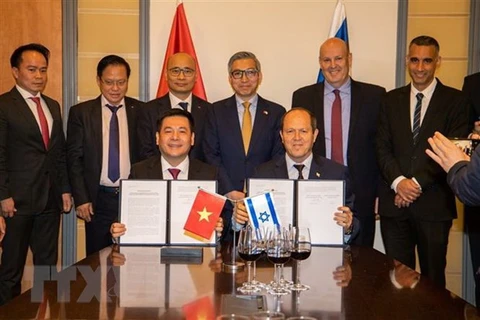
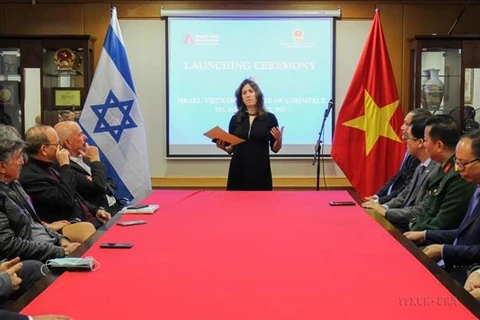
Regarding the plan to step up cooperation between Israeli and Vietnamese enterprises, Einat said the two countries recently concluded negotiations to soon sign a Free Trade Agreement (FTA). The IVC also launched a campaign to encourage more Israeli companies to join the Vietnamese market, boost exports-imports, and particularly manufacturing activities.
The IVC will organise a special workshop on the topic of shifting production bases to Vietnam to help Israeli companies fully exploit this market for production cooperation, technology supply, and consumer goods imports, she said, adding that in next 1-2 years, it will also hold similar workshops and business trips to Vietnam to seek opportunities./.