Hanoi (VNA) – Vietnam improved its business environment the most over the past two decades, according to a recent analysis by the Economist Intelligence Unit (EIU).
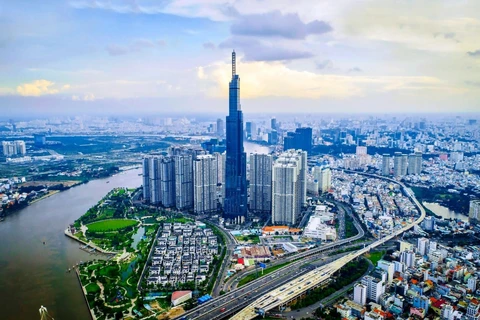
The findings, revealed in the EIU’s Business Environment Rankings (BER), highlight Vietnam’s impressive transformation, driven by significant investments in infrastructure and strategic international trade agreements. The study, covering the period from 2003 to 2023, shows that Vietnam experienced a 1.7-point rise on the index, marking the largest improvement among 82 countries evaluated.
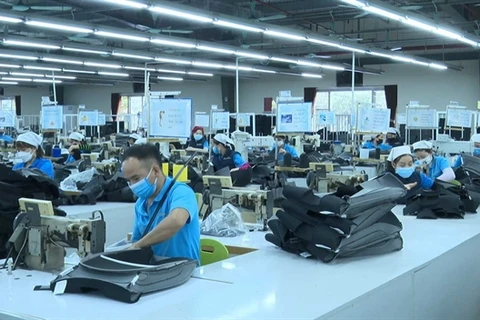
Key factors behind this rise include Vietnam’s commitment to liberalising its economy through various free-trade agreements, such as the Comprehensive and Progressive Agreement for Trans-Pacific Partnership (CPTPP) and the Regional Comprehensive Economic Partnership (RCEP). In addition, the country’s participation in the global China 1 strategy, which seeks to diversify supply chains away from China, has played a critical role in boosting Vietnam’s attractiveness as a business destination.
Prianthi Roy, Country Forecast Manager and Europe Analyst at EIU, commented: “In the coming five years, Vietnam’s business environment will continue to outpace regional competitors like Indonesia and Thailand. This is largely due to Vietnam's competitive labour costs, extensive trade deals, and growing market opportunities.”
Roy added that Vietnam’s business environment would also benefit from further integration with major export markets, particularly the US and EU.
However, she cautioned that Vietnam still faced significant challenges. Although it had improved in terms of trade policy and investment in human capital, cumbersome bureaucratic procedures and administrative hurdles continued to hinder business operations. Additionally, institutional effectiveness remained a weak point, especially when compared to its regional peers.
The long-term impact of climate change presents a serious concern. Vietnam’s geographical characteristics, including its long coastline and population density in low-lying areas, make it particularly vulnerable to the risks posed by rising temperatures, extreme weather events, and coastal storms. As one of the countries most affected by climate change, Vietnam faces an uncertain future despite its impressive recent gains in the business sector.
Other countries, such as Serbia, Romania and several Middle Eastern nations including Morocco and Saudi Arabia, also showed significant improvements in their business environments over the same period. Looking ahead, the EIU forecasts that countries like India, Kenya, and Greece will join the list of top ten business performers, with India benefiting from its youthful labour force, Kenya from recent economic reforms, and Greece from a pro-business government.
The EIU’s Business Environment Rankings assess 82 countries and territories using 91 indicators across 11 categories, ranging from the political and macro-economic environment to infrastructure and technological readiness. The index serves as a critical tool for companies and investors to evaluate the attractiveness of business environments globally./.