Prime Minister Nguyen Xuan Phuc (Photo: VNA)
 Hanoi (VNA) - In marking 25 years of diplomatic ties between Vietnam and the Republic of Korea (RoK) this year, the English-language daily Vietnam News of the Vietnam News Agency and the Maeil Business, the No. 1 business newspaper in the RoK, speak to Prime Minister Nguyen Xuan Phuc about bilateral ties, opportunities to tap new trade, investment cooperation and trends in trade liberalisation.
Q: Vietnam and the RoK celebrate 25 years of diplomatic ties this year. What achievements have been made in this time, and where can the relationship be made deeper? Do you have any personal relations with RoK?
A: The Vietnam-RoK relationship is growing rapidly in all fields. The outcomes of bilateral cooperation are very meaningful and beneficial for the two countries’ people.
Since becoming strategic partners in 2009, Vietnam and the RoK have maintained frequent high-level exchanges and effectively implemented cooperation and dialog mechanisms in foreign affairs, security and defence. In particular, the two countries have fostered very strong political trust. Together, these factors will be the cornerstone for bilateral relations to blossom in the future as they were in the past.
Our trade and investment figures are very impressive, reflective of the dynamic economic relationship between the two countries. The RoK has become the biggest investor in Vietnam, with close to 6,000 projects nationwide, amounting to more than 54 billion USD of capital. Korean companies in Vietnam contributed almost one third of national exports in 2016. Trade turnover between our two countries grew 86-fold to 43 billion USD in 2016 from just 500 million USD in 1992, making the RoK Vietnam’s third largest trade partner.
If you walk around in Hanoi or HCM City, you will see many Vietnamese using Korean products as well as lots of Korean stores and restaurants. I have also heard that it’s very easy to find "Pho" or "Nem" places in Seoul.
Besides the impressive achievements that I mentioned, people-to-people ties between Vietnam and the RoK have also prospered. Vietnamese people, especially youngsters, are quite familiar with Korean culture including Korean music, movies, martial arts and cuisine. Vietnam in turn is an attractive destination for Korean tourists.
According to our data, Vietnam welcomed 1.5 million Korean visitors in 2016. On average, there are more than 100 direct flights between the two nations every week. There are 140,000 expatriates from each country living in the other.
The similarities and admiration for each other’s culture, together with enhanced political trust and prospering economic and trade relations between the two countries, are strong links that bring our people closer.
Building on past achievements and enormous untapped potential, I am certain that with the determination of the two Governments and their people, the Strategic Partnership between Vietnam and the RoK as well as the friendship between their people will continue to reach new heights, with more impressive outcomes recorded in the interest of our people as well as peace, stability, cooperation and development in the region.
Q: Now that the original TPP no longer exists, what policies will be adopted by the Government to drive development and attract investors, especially foreign investors? How good are the chances of the Regional Comprehensive Economic Partnership (RCEP) being finalised? As a member of ASEAN, what are the key issues you think need to be addressed for the treaty to come into being?
A: We will continue to carry out extensive and comprehensive international integration together with several agendas.
These agendas include economic reform, growth transformation toward more sustainability, completing the framework for the market economy, promoting startups and innovation, and creating a fair and transparent business environment for all investors.
The negotiation of the RCEP will lead to important economic linkages in Asia-Pacific. Once in force, this agreement will create stronger economic and trade links among its members and promote Asia-Pacific economic integration.
Over the past five years, Vietnam has worked closely with other ASEAN members and partner countries to accelerate RCEP negotiations. These negotiations aim to reach a balanced agreement that takes into account the interests and level of development of each member. I believe that all member countries will try hard to reach an early conclusion of the agreement, which will help maintain momentum for regional economic integration.
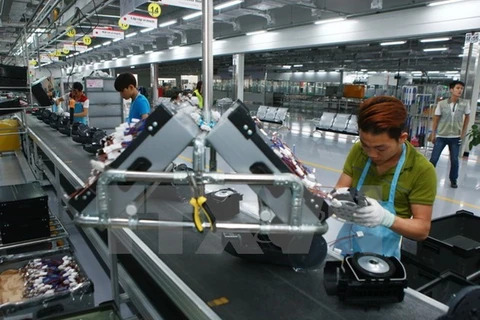
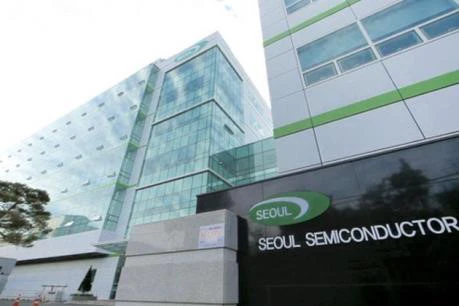
Q: Vietnam has been the investment destination for many Korean conglomerates, such as Samsung, LG and Lotte. But numerous smaller companies are also eyeing overseas investment opportunities. In which areas does the Vietnamese government encourage small and medium sized enterprises (SMEs) to invest?
What has been done so far by the Government to ensure a level playing field for both foreign and local SMEs? What is the best model for Vietnamese and Koreans to work together?
A: If one were to name a successful overseas investment destination for Korean businesses, Vietnam would be the best answer. The confidence of foreign investors in Vietnam is well-founded. The country enjoys social and political stability, and it has a dynamic and fast-growing economy with a high degree of openness, operating under market rules. The business climate, including investment policies, has improved with greater predictability and transparency, with diverse sectors for investment.
In addition, the Government is striving to build an enabling Government, a Government of integrity that can best serve the people and businesses. In economics, the Government is committed to using vigorous measures to improve the investment and business environment and enhance competitiveness to provide an enabling environment and equal opportunities for businesses, both Vietnamese and foreign. We have always considered foreign businesses and investors as key components of the Vietnamese economy. Their success is seen as the success of Vietnam.
As well as an investment destination for large enterprises, Vietnam has also been the choice of thousands of SMEs from the Republic of Korea. Vietnam has investment opportunities in areas of strengths for the Korean SMEs, such as construction, transportation, urban development and human resources development, supporting industries, rural development, tourism and entertainment, among others.
Businesses can freely choose their type of investment. It can be 100 percent foreign-owned, joint venture, or public-private partnership. The equitisation process of State-owned enterprises in Vietnam also offers many merger and acquisition opportunities for investors from the RoK. In whatever format, or whichever sector, I think win-win cooperation is the model and the goal for cooperation between ROK and Vietnamese businesses.
Q: There have been three waves of Korean investment in Vietnam since the 1990s, when the country opened its doors to the world. With the Vietnam- ROK bilateral trade agreement signed at the end of 2015, many believe that the fourth wave of investment from Korea will follow shortly. What do you think of this prediction?
A: I think this is a well-grounded statement. With the strong development of our strategic partnership and the Vietnam- RoK Free Trade Agreement, it is highly likely that more investors from the ROK will come to Vietnam. Vietnam is an economy with a relatively high growth rate of nearly 6 percent. It is also a market of nearly 100 million people with increasing incomes (GDP/capita at 2,300 USD, or 6,200 USD in Purchasing Power Parity terms). I also hope that in the near future, the RoK market will receive new waves of trade from Vietnam. Vietnam also has many commodities and industries with comparative advantages and high competitiveness.
These new waves will create momentum to further tighten the Vietnam-RoK relationship and generate mutual benefits at the bilateral, regional and international levels.
Q: Agriculture has long been the backbone of Vietnam’s economy, but it hasn’t been able to draw much investment due to its high-risk, low-profit nature. Recently a number of businesses, including those from the RoK, have expressed interest in this sector. Do you have special incentive policies for foreign investment in agriculture?
A: Vietnam has vast potential and many advantages in agriculture compared to other countries in the region. Agriculture remains a pillar in the Vietnamese economy, contributing significantly to ensuring social security and welfare. The world has learned about Vietnam as one of the world’s leading exporters of agricultural products such as rice, coffee, pepper, aquatic products, and fruits, among others.
Nevertheless, Vietnam’s agriculture also faces difficulties and challenges in the process of integration, due to fragmented production and limited competitiveness. There are also a relatively small number of quality enterprises with good services participating in the global value chain, particularly in processing, branding and distribution.
Vietnam is striving to overcome these shortcomings to build a modern, sustainable and climate-resilient agriculture industry. We’re focusing on developing high-tech agriculture and organic agriculture. We’re emphasising value-added elements, optimising marine resources, encouraging investment in the use of advanced bio-technology, abiding by international food safety standards, upgrading modern agricultural infrastructure, building capacity for climate change adaptation, working to reduce disaster risks, developing brand names and strengthening the agricultural production–processing–supply chain.
To facilitate agriculture investment, the Vietnamese Government has instructed ministries and agencies to review, amend and supplement some policies and mechanisms. These include land, credit and agricultural insurance policies. In some prioritised areas, Vietnam will grant more concessions and incentives in terms of tax, land use fees, land and water surface rental charges, among others.-VNA
The similarities and admiration for each other’s culture, together with enhanced political trust and prospering economic and trade relations between the two countries, are strong links that bring our people closer.
Building on past achievements and enormous untapped potential, I am certain that with the determination of the two Governments and their people, the Strategic Partnership between Vietnam and the RoK as well as the friendship between their people will continue to reach new heights, with more impressive outcomes recorded in the interest of our people as well as peace, stability, cooperation and development in the region.
Q: Now that the original TPP no longer exists, what policies will be adopted by the Government to drive development and attract investors, especially foreign investors? How good are the chances of the Regional Comprehensive Economic Partnership (RCEP) being finalised? As a member of ASEAN, what are the key issues you think need to be addressed for the treaty to come into being?
A: We will continue to carry out extensive and comprehensive international integration together with several agendas.
These agendas include economic reform, growth transformation toward more sustainability, completing the framework for the market economy, promoting startups and innovation, and creating a fair and transparent business environment for all investors.
The negotiation of the RCEP will lead to important economic linkages in Asia-Pacific. Once in force, this agreement will create stronger economic and trade links among its members and promote Asia-Pacific economic integration.
Over the past five years, Vietnam has worked closely with other ASEAN members and partner countries to accelerate RCEP negotiations. These negotiations aim to reach a balanced agreement that takes into account the interests and level of development of each member. I believe that all member countries will try hard to reach an early conclusion of the agreement, which will help maintain momentum for regional economic integration.
Q: Vietnam has been the investment destination for many Korean conglomerates, such as Samsung, LG and Lotte. But numerous smaller companies are also eyeing overseas investment opportunities. In which areas does the Vietnamese government encourage small and medium sized enterprises (SMEs) to invest?
What has been done so far by the Government to ensure a level playing field for both foreign and local SMEs? What is the best model for Vietnamese and Koreans to work together?
A: If one were to name a successful overseas investment destination for Korean businesses, Vietnam would be the best answer. The confidence of foreign investors in Vietnam is well-founded. The country enjoys social and political stability, and it has a dynamic and fast-growing economy with a high degree of openness, operating under market rules. The business climate, including investment policies, has improved with greater predictability and transparency, with diverse sectors for investment.
In addition, the Government is striving to build an enabling Government, a Government of integrity that can best serve the people and businesses. In economics, the Government is committed to using vigorous measures to improve the investment and business environment and enhance competitiveness to provide an enabling environment and equal opportunities for businesses, both Vietnamese and foreign. We have always considered foreign businesses and investors as key components of the Vietnamese economy. Their success is seen as the success of Vietnam.
As well as an investment destination for large enterprises, Vietnam has also been the choice of thousands of SMEs from the Republic of Korea. Vietnam has investment opportunities in areas of strengths for the Korean SMEs, such as construction, transportation, urban development and human resources development, supporting industries, rural development, tourism and entertainment, among others.
Businesses can freely choose their type of investment. It can be 100 percent foreign-owned, joint venture, or public-private partnership. The equitisation process of State-owned enterprises in Vietnam also offers many merger and acquisition opportunities for investors from the RoK. In whatever format, or whichever sector, I think win-win cooperation is the model and the goal for cooperation between ROK and Vietnamese businesses.
Q: There have been three waves of Korean investment in Vietnam since the 1990s, when the country opened its doors to the world. With the Vietnam- ROK bilateral trade agreement signed at the end of 2015, many believe that the fourth wave of investment from Korea will follow shortly. What do you think of this prediction?
A: I think this is a well-grounded statement. With the strong development of our strategic partnership and the Vietnam- RoK Free Trade Agreement, it is highly likely that more investors from the ROK will come to Vietnam. Vietnam is an economy with a relatively high growth rate of nearly 6 percent. It is also a market of nearly 100 million people with increasing incomes (GDP/capita at 2,300 USD, or 6,200 USD in Purchasing Power Parity terms). I also hope that in the near future, the RoK market will receive new waves of trade from Vietnam. Vietnam also has many commodities and industries with comparative advantages and high competitiveness.
These new waves will create momentum to further tighten the Vietnam-RoK relationship and generate mutual benefits at the bilateral, regional and international levels.
Q: Agriculture has long been the backbone of Vietnam’s economy, but it hasn’t been able to draw much investment due to its high-risk, low-profit nature. Recently a number of businesses, including those from the RoK, have expressed interest in this sector. Do you have special incentive policies for foreign investment in agriculture?
A: Vietnam has vast potential and many advantages in agriculture compared to other countries in the region. Agriculture remains a pillar in the Vietnamese economy, contributing significantly to ensuring social security and welfare. The world has learned about Vietnam as one of the world’s leading exporters of agricultural products such as rice, coffee, pepper, aquatic products, and fruits, among others.
Nevertheless, Vietnam’s agriculture also faces difficulties and challenges in the process of integration, due to fragmented production and limited competitiveness. There are also a relatively small number of quality enterprises with good services participating in the global value chain, particularly in processing, branding and distribution.
Vietnam is striving to overcome these shortcomings to build a modern, sustainable and climate-resilient agriculture industry. We’re focusing on developing high-tech agriculture and organic agriculture. We’re emphasising value-added elements, optimising marine resources, encouraging investment in the use of advanced bio-technology, abiding by international food safety standards, upgrading modern agricultural infrastructure, building capacity for climate change adaptation, working to reduce disaster risks, developing brand names and strengthening the agricultural production–processing–supply chain.
To facilitate agriculture investment, the Vietnamese Government has instructed ministries and agencies to review, amend and supplement some policies and mechanisms. These include land, credit and agricultural insurance policies. In some prioritised areas, Vietnam will grant more concessions and incentives in terms of tax, land use fees, land and water surface rental charges, among others.-VNA
VNA