Vietnam to have 30 airports by 2030: draft planning

Vietnam will have a total of 30 airports by 2030 including 14 serving international flights, according to a draft plan that the Civil Aviation Authority of Vietnam has submitted to the Ministry of Transport recently.
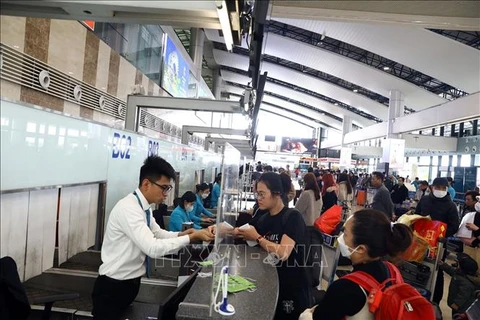
Vietnam to have 30 airports by 2030: draft planning ảnh 1Nhập mPlanes are seen at Noi Bai International Airport in Ha Noi. (Photo: VNA)
Hanoi (VNA) – Vietnam will have a total of30 airports by 2030 including 14 serving international flights, according to a draftplan that the Civil Aviation Authority of Vietnam has submitted to theMinistry of Transport recently.

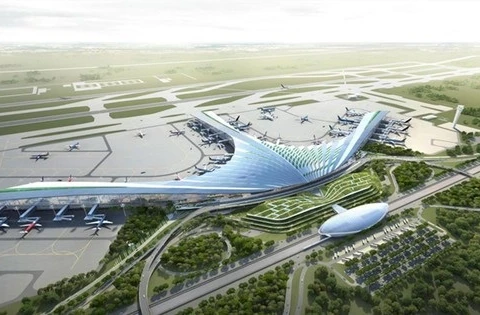
The international airports are Van Don, Cat Bi, Noi Bai,Tho Xuan, Vinh, Phu Bai, Da Nang, Chu Lai, Cam Ranh, Lien Khuong, Long Thanh,Tan Son Nhat, Can Tho, and Phu Quoc.

The 14 airports serving only domestic flights are LaiChau, Dien Bien, Sa Pa, Na San, Dong Hoi, Quang Tri, Phu Cat, Tuy Hoa, Pleiku,Buon Ma Thuot, Phan Thiet, Rach Gia, Ca Mau, and Con Dao.

Two military airports – Thanh Son and Bien Hoa – will beconverted to use for both military and civil purposes.

The draft plan still keeps the Hai Phong InternationalAirport project which was approved in the Prime Minister’s DecisionNo 640/QD-TTg dated April 28, 2011.

By 2050, Vietnam expects to have 33 airports including 14international airports - Van Don, Hai Phong, Noi Bai, Tho Xuan, Vinh, Phu Bai,Da Nang, Chu Lai, Cam Ranh, Lien Khuong, Long Thanh, Tan Son Nhat, Can Tho andPhu Quoc. There will also be 19 domestic airports, including Lai Chau, Dien Bien, Sa Pa, Cao Bang, NaSan, Cat Bi, Dong Hoi, Quang Tri, Phu Cat, Tuy Hoa, Pleiku, Buon Ma Thuot, PhanThiet, Rach Gia, Ca Mau, Con Dao, Bien Hoa, Thanh Son and the second airport inthe southeast, south region of Hanoi.

CAAV will continue to study, survey, and evaluate the possibility of converting some existing military airports into dual-use facilities including Yen Bai airport in Yen Bai province, and Gia Lam airport inHanoi. The conversion will be reported to the Prime Minister for considerationwhen all necessary conditions are met.

In particular, this draft plan reflects CAAV’s opennessto the new civil airports.

The agency proposes to continue studying, surveying andevaluating the possibility of building airports in provinces that are located inkey positions in defense and security and with potential for tourismdevelopment but have no military airport. These include Ha Giang,Tuyen Quang, Ha Tinh, Kon Tum, Quang Ngai, Binh Thuan, Khanh Hoa,Dak Nong and Tay Ninh.

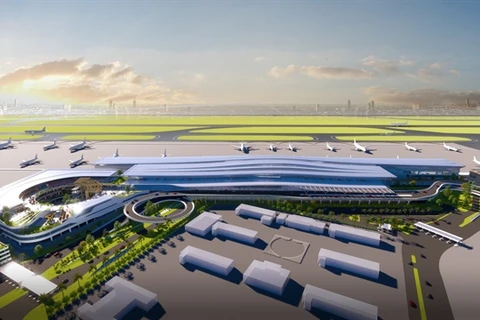
The Transport Engineering Design Incorporated (TEDI) – consultant for the national airport developmentplanning - proposes that the capacity of Long Thanh airport by 2030 is 25 millionpassengers per year. The capacity of Long Thanh Airport would then increase to 100 million passengers by 2050. The Tan SonNhat airport is to have a maximum capacity of 50 million passengers yearly.

Bien Hoa airport is expected to handle 5 millionpassengers yearly by 2030, and up to 10 million passengers by 2050./.
VNA

See more

At the Vietnam- Myanmar Business Forum in Hanoi on September 6 (Photo: VNA)

Myanmar President pledges to facilitate Vietnamese investment

Myanmar calls for Vietnam's cooperation in digital infrastructure development, cybersecurity, digital transformation, public services, information technology, and digital payment systems, as well as in fostering an innovation-driven business environment.

Using AI to search and process legal information (Photo: VNA)

Legal profession reshaped in age of artificial intelligence

In Ho Chi Minh City, digital transformation in the legal profession is not simply about introducing more technology into professional practice. It must also create ways of working that ensure technology serves people, while lawyers retain control and responsibility for the quality of legal services. This is particularly important in a metropolis with a large-scale economy and diverse legal needs.

Activities in Chan May Bay, part of the Chan May–Lang Co Economic Zone in Hue city. (Photo: VNA)

Hue steps up investment drive in Chan May–Lang Co Economic Zone

Covering more than 27,000ha, the Chan May–Lang Co Economic Zone is emerging as a key economic, urban, industrial and eco-tourism centre in southeastern Hue, with functional areas dedicated to seaports, industry, non-tariff activities, urban development and tourism.

The Ministry of National Defence's inter-agency inspection team visits La Gi Fish Port in Phuoc Hoi ward, Lam Dong province. (Photo: VNA)

Lam Dong's IUU fishing prevention efforts inspected

According to the Lam Dong provincial IUU Fishing Prevention Steering Committee, all 8,177 fishing vessels measuring at least 6 metres in length have been registered and updated in the national fisheries database VNFishbase.

A member of Minh Quang Cooperative in Hung Yen province works on a farm. (Photo: VNA)

Vietnam aims to link half of farm cooperatives with enterprises by 2030

The Ministry of Agriculture and Environment will promote links between cooperatives, enterprises, science and technology organisations and other economic entities along with carrying out programmes to develop concentrated agricultural, forestry and fisheries raw material areas and enhance value chain production.

The night-time economy is increasingly seen as an important avenue for Vietnam’s tourism sector to extend visitors’ stays (Photo: VNA)

Revitalising growth momentum for night-time economy

The night-time economy has moved beyond being merely an add-on service to become a new growth driver for tourism. Night-time activities can “awaken” familiar heritage spaces and breathe new life into them. Art, light and music experiences after dark can create distinctive attractions while meeting the desire of middle- and high-end visitors to explore cultural depth.

A livestream session promotes green-skinned pomelos grown in Cho Lach commune, Vinh Long province. (Photo: VNA)

E-commerce reshapes rules of game

Once fixed fees, payment fees, infrastructure charges and service packages are included, sellers may have to spend around 24.5-27.6% of their revenue on platforms. The figure shows that the era of easy selling and low costs in e-commerce has officially come to an end.

Ho Chi Minh City targets third-quarter growth of over 11% (Photo: VNA)

Ho Chi Minh City targets third-quarter growth of over 11%

Ho Chi Minh City will continue to implement drastic measures to achieve double-digit growth, targeting GRDP growth of at least 11.07% in the third quarter of 2026, 9.43% in the first nine months and 12.3% in the fourth quarter, with a view to completing the full-year goal of 10% or more.

MM Mega Market An Phu supermarket in Ho Chi Minh City is brightly decorated for the National Day holiday. (Photo: VNA)

Domestic consumption up over 13%, tourism continues strong growth

The total retail sales of goods and consumer service revenues in August were estimated at 679.8 trillion VND (26 billion USD), up 1.6% from the previous month and 14.9% year-on-year. In the January-August period, the figure reached 5.24 quadrillion VND, representing a 13.3% increase year-on-year.

A production line of Onaga Co., Ltd. (Japan) at HANSSIP (Photo: nhandan.vn)

Hanoi moves to maintain appeal to FDI inflows

In the first eight months of 2026, the capital city attracted more than 3.7 billion USD in FDI, equivalent to 83% of the plan set for the year. Newly registered FDI exceeded 572 million USD across 450 projects, up 175.78% in project numbers and 209.46% in capital compared to the same period last year. Additional registered capital topped 492 million USD, while capital contributions and share purchases exceeded 2.6 billion USD.

Saigon Marina IFC is the first private-sector project contributing to realising the goal of developing the Vietnam International Financial Centre in Ho Chi Minh City. (Photo: VNA)

VIFC offers various opportunities to attract forein investment

Turning the VIFC into an effective channel for international capital will require clear rules, quality projects and strong connections between investors and domestic businesses. Meeting these requirements will be key to transforming investor interest into concrete capital flows and investment projects in Vietnam.