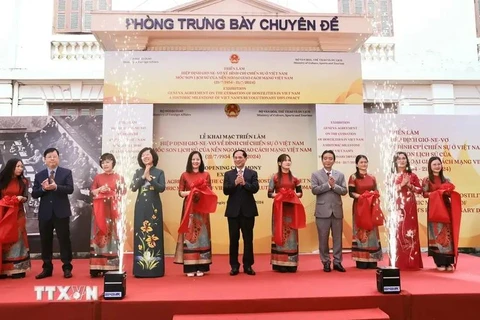
Hanoi (VNA) – Seventy years ago, the Geneva Agreement on the Cessation of Hostilities in Vietnam was signed, opening up a new chapter in the country’s struggle for national liberation and reunification.
Along with the 1946 Preliminary Agreement and the 1973 Paris Agreement, the 1954 Geneva Agreement was a glorious milestone in Vietnam’s revolutionary diplomacy, bearing the imprint of President Ho Chi Minh’s ideology, style and art of diplomacy. It was also a vivid demonstration of the country’s “bamboo diplomacy”, as recognised by international experts.
Vietnam on its way from Dien Bien Phu to Geneva
In late 1953, amid tremendous shifts in the Indochinese battlefield, the Communist Party of Vietnam and President Ho Chi Minh decided to wage a battle on the diplomatic front in conjunction with the 1953 - 1954 Winter - Spring Offensive to put an end to the war and restore peace in Vietnam and entire Indochina.
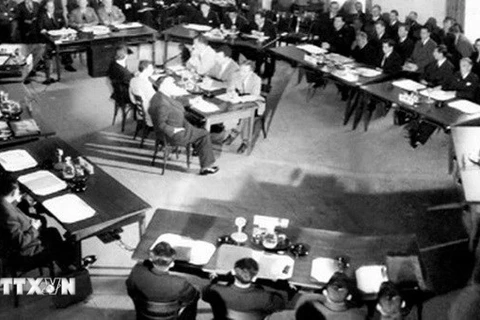
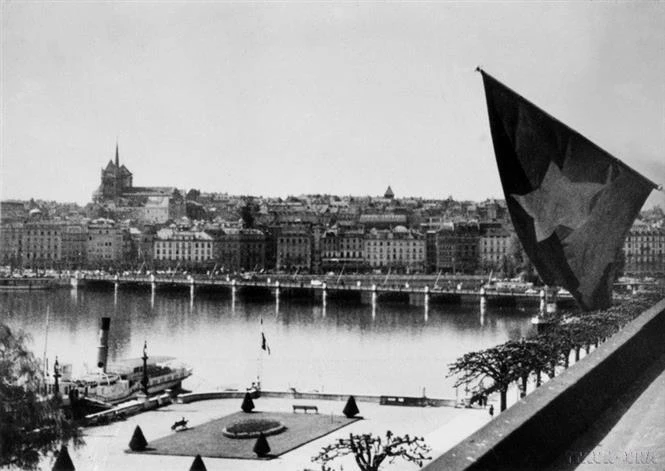
On May 8, 1954, one day after the Dien Bien Phu victory that “echoed across five continents and shook the entire world”, the Geneva Conference began to discuss the restoration of peace in Indochina.
After 75 days of complicated and intense negotiations with 31 sessions, the Geneva Agreements was signed on July 21, 1954. This, coupled with the Final Declaration on Restoring Peace in Indochina, affirmed the independence, sovereignty, unity, and territorial integrity of Vietnam, prevented the deployment of military officers and personnel to Vietnam, and determined the temporary nature of military borders as well as the need for an eventual free general election, among others.


In his rally following the successful Geneva Conference on July 22, 1954, President Ho Chi Minh announced that: “The Geneva Conference has concluded, and Vietnam’s diplomacy has achieved a great victory.” Indeed, while France only recognised Vietnam as a free state within the French Union in the 1946 Preliminary Agreement, with the Geneva Agreement, for the first time in the history of our country, Vietnam’s fundamental rights of a nation, including independence, sovereignty, unity, and territorial integrity, were officially affirmed in an international treaty, and recognised by countries at the Geneva Conference. This constituted an important political and legal basis for our people to continue the fight on political and diplomatic fronts, so as to subsequently liberate the South and reunite the country.
Together with the Dien Bien Phu victory, the signing of the Geneva Agreement led to the successful conclusion of the Vietnamese people’s resistance war against the French colonial empire, and put a decisive end to the reign of colonialism over Vietnam for nearly 100 years.
According to history books, the Agreement had thus paved the way for a new strategic phase for Vietnam’s revolution - the building of socialism in the North, and the pursuit of national and people’s democratic revolution in the South, with a view to truly achieving national independence and reunification.
Flexible yet resolute tactics key to Vietnam’s negotiation success
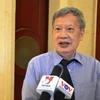
In a recent talk to the Vietnam News Agency, Major General Pham Son Duong, the only son of late Prime Minister Pham Van Dong who headed the delegation of the Government of the Democratic Republic of Vietnam to the Geneva conference, recalled what his father had told him about that memorable day.
“My father said the atmosphere at that conference was very tense but he remained totally composed, adhered to principles and was also ready to switch to flexible tactics if necessary in order to best protect national interests as he remembered vividly Uncle Ho’s advice for him right before the negotiations,” Major General Duong recollected.
“The ultimate goal, Uncle Ho told my father, was to force the French to recognise the independence, sovereignty, and territorial integrity of Vietnam, Laos, and Cambodia,” Duong said.
According to Major General Duong, his father walked into the Geneva Conference with utmost confidence as he was already armed with warfare analyses and preparations of response plans to cope with possible interventions of major powers, all of which Uncle Ho and his father had thoroughly discussed.
At the Geneva conference, Pham Van Dong presented the eight-point stance requesting France to recognise Vietnam’s sovereignty and independence across its territory, along with sovereignty and independence of Laos and Cambodia.
The Geneva Agreement resolved the Indochina issue in accordance with the stance of the Democratic Republic of Vietnam, that was establishing peace on the basis of respect for the right of national unity, independence, and democracy of the three countries in the region.
Commenting on Vietnam’s tactics in signing the Geneva Agreement, Pierre Asselin, Professor of History at San Diego State University, the US, said: “In signing the Geneva Agreement, President Ho Chi Minh hoped for the best but also prepared for the worst.”

Pham Van Dong and other negotiators of the the Democratic Republic of Vietnam faced many challenges. I think that Vietnamese diplomacy was quite shrewd and sensible in Geneva. In the final analysis, they worked and availed themselves well.
It could be said that Vietnam carried forward the spirit of independence and self-reliance during the negotiations, persistently pursued strategic goals, and knew how to make principled concessions to ensure national interests, according to Professor Asselin.
This spirit was clearly stated by President Ho Chi Minh in his interview with Expressen newspaper of Sweden on November 26, 1953.
“If France continues the war, the Vietnamese people are determined to carry on their patriotic war until the final victory. But if the French Government has learnt a lesson from this years-long war, and wishes to cease hostilities in Vietnam through negotiations and settle the Vietnam issue in a peaceful manner, then the people and Government of the Democratic Republic of Vietnam stand ready to welcome such intention” and “the foundation for the cessation of hostilities in Vietnam is the French Government’s sincere respect for Vietnam’s true independence.”
Talking to Vietnam News Agency on the occasion of 70 year- anniversary of Geneva Agreement, Emeritus Professor Carl Thayer from New South Wales University, Australia, said “bamboo diplomacy was illustrated through the negotiations of the Geneva Agreement. The Vietnamese negotiators stayed steadfast on their goals of independence and freedom but flexible about how to achieve them”.

“Understanding the views and strategic intentions of major powers, Vietnam handled the situation flexibly through both bilateral and multilateral meetings and exchanges during the negotiations.”
In his recent address looking back Vietnam’s diplomacy throughout the years, Foreign Minister Bui Thanh Son emphasised that the signing of the Geneva Agreement, together with the Dien Bien Phu victory, led to the successful conclusion of the Vietnamese people’s resistance war against the French colonial empire, and put a decisive end to the reign of colonialism over Vietnam for nearly 100 years.
The Agreement had thus paved the way for a new strategic phase for Vietnam’s revolution - the building of socialism in the North, and the pursuit of national and people’s democratic revolution in the South, with a view to truly achieving national independence and reunification.
The triumpths of the Dien Bien Phu campaign and the Geneva Agreement also served as a source of encouragement for oppressed nations around the world to rise up and fight for their independence and freedom. Subsequently, numerous countries in Asia, Africa, and Latin America gained independence in various forms, and the movements for peace, national independence, democracy, and social progress developed more intensively and extensively.
Notably, between 1954 and 1964, up to 17 African countries gained independence, and by 1967, France was forced to grant independence to most of its former colonies./.