Coral reefs restored off Cham Island

Coral reefs have been revived on an area of 2,000sq.m in water off the Cham Island Maritime Protected Area (MPA) after a pilot project that ran from 2015-17.
Coral reefs restored off Cham Island ảnh 1A group of coral reef in waters off Cham Island. Some 2,000sq.m coral reefs were replanted in the area in 2015-17. — Photo courtesy Le Xuan Ai

Quang Nam (VNA) - Coral reefs have been revived on an area of 2,000sq.m in water off the Cham Island Maritime Protected Area (MPA) after a pilot project that ran from 2015-17.

An expert from the MPA management board, Le Xuan Ai, said more than 2,700 groups of coral species had been planted at 10 sites off Bac and Tra beaches.

The coral groups have developed with a survival ratio ranging between 52 and 99 percent.

“It’s a positive signal that the sea environment around the island has been well improved and protected over past two decades by the MPA and local community,” Ai said.

“We measured that coral groups grew from 2.4cm to 6cm each year after replanting in the strict protected sea areas off Bo and Nam beaches. The coral reef restoration project also involved the participation of tourism businesses, fishermen and local community in the Cham Islands over past years,” Ai said.

He said campaigns against the use of plastic bags by the Cham Island MPA and local authorities as well as and the 3-R (reduce, reuse and recycle) programmes run since 2011 had helped eased pollution.

The rapid restoration of coral reefs will shelter fish and aquatic species and protect the island from damage by natural disasters.

In a field survey in waters off the island in 2017, scientists and researchers from MPA found the appearance of six rare clown fish species in Vietnam living in coral reefs.

Scientists from MPA said 29 clownfish species, of which seven had been identified, are found throughout the world, and seven rare species were found in waters of Vietnam.

Clownfish is the most hunted sea fish species for aquarium centres in Vietnam, according to MPA.

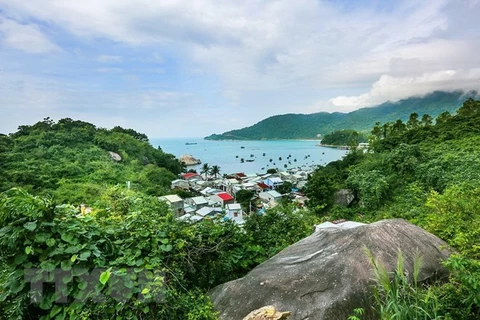
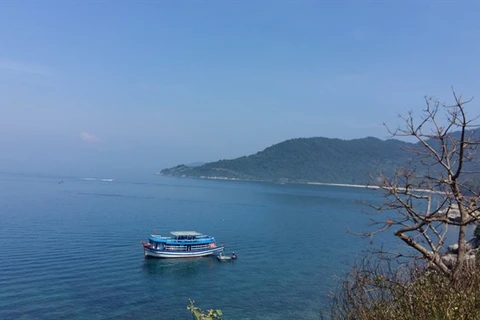
The island, 20km off the coast of Hoi An, which was recognised as a World Biosphere Reserve in 2009, is one of few places in Vietnam successfully campaigning against plastic bags and promoting 3-R programmes.

The 3,000 inhabitants of the islands, which include eight islets with vast ecological diversity, hosted more than 400,000 tourists last year.

The reserve covers more than 33,000ha, including 1,500ha of tropical forests and 6,700ha of sea , featuring a wide range of marine fauna and flora.- VNA
VNA

See more

Phan Thi Hong Lien wins the last gold for of Vietnam to help the team place No 1 in the sixth World Kun Khmer Championships' tally. (Photo: VNA)

Vietnam tops medal table at World Kun Khmer Championships

The Vietnamese team claimed 18 gold medals on their debut at the sixth World Kun Khmer Championships in Cambodia, edging hosts Cambodia to finish first overall and strengthening their push for Olympic recognition of the sport.

An exhibition on "do" paper and recycled materials at Dien Hong flower garden. (Photo: nhandan.vn)

Art reawakens Hanoi's public spaces

Last year, Hanoi saw a surge in both quantity and quality of public art endeavours, a leap forward in the art of breathing new life into urban landscapes

The horse image symbolises resilience, endurance, and spirit of “success upon arrival.” (Photo: VNA)

Horse mascot leaves strong impression at spring fair

A major attraction is a unique “Eight galloping horses” (Bat Ma) sculpture displayed at the To Trinh gemstone booth. Carved from a rare monolithic jade block, the artwork features eight spirited horses racing across golden rice fields. The harmonious blend of pure jade veins and natural golden tones enhances both its aesthetic depth and symbolic meaning, evoking prosperity and abundance associated with Vietnam’s rice civilisation.

Delegates cut the ribbon to launch the 46th Spring Flower Festival at Tao Dan Park. (Photo: VNA)

Festive activities herald Lunar New Year of the Horse

A vibrant array of cultural and media events has been launched across Vietnam to welcome the Lunar New Year of the Horse 2026, highlighting both the country’s enduring traditions and its dynamic socio-economic progress.

A calligraphy booth at the festival (Photo: VNA)

Spring Calligraphy Festival 2026 opens in Hanoi

A central attraction remains the traditional New Year calligraphy request activity, featuring 35 booths staffed by calligraphers selected through a rigorous, transparent evaluation process.

A ritual to welcome new year of Muong people in Phu Tho (Photo: nhandan.vn)

Unique Lunar New Year traditions on display

Each ethnic group brings its own unique Tet customs to the Vietnam National Village for Ethnic Culture and Tourism on the outskirts of Hanoi, creating a rich and colourful cultural mosaic.

Polish Ambassador to Vietnam Joanna Skoczek (R) attends a cultural event in Vietnam (Photo: VNA)

Cultural, people-to-people interactions anchor Vietnam–Poland relations: diplomat

Skoczek also pointed to striking similarities between Vietnam’s Tet and Poland’s Christmas Eve traditions, particularly the emphasis on family reunions, symbolic meals and shared rituals passed down through generations. Despite differences in customs and cuisine, she said the essence of the celebrations remains universal: bringing loved ones together to welcome a new start.

A Tet flower street is held for the first time at the Thang Long Imperial Citadel during the Lunar New Year 2026. (Photo: VNA)

Tet flower street held for first time at Thang Long Imperial Citadel

More than a seasonal attraction, the flower street also functions as a formal cultural venue for receiving ambassadors, their spouses and representatives of diplomatic missions attending the Vietnam Discovery Day 2026 programme. Its linkage with an external event further reinforces the Thang Long Imperial Citadel’s position as a key platform for introducing Vietnam’s cultural identity to international friends.