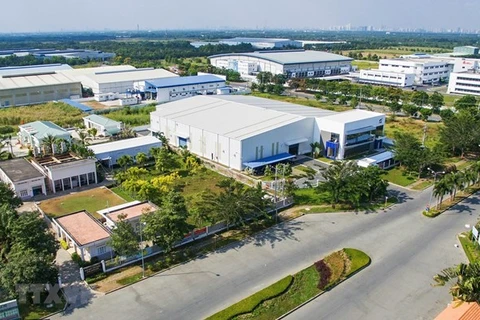
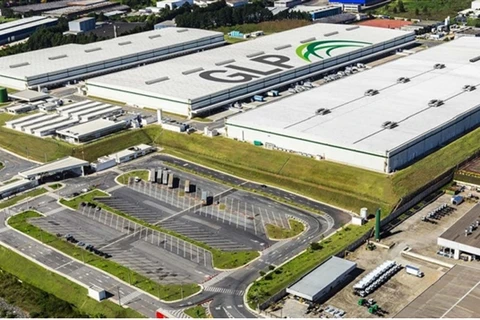
Foreign firms optimistic about potential of Vietnam's warehouse sector.(Photo: VNA)
 Hanoi (VNA) – Despite negative impacts of the COVID-19 pandemic, Vietnam continues to be an attractive destination for foreign investors, especially those operating in the warehouse sector thanks to its advantage of geographical location and skilled labour force, according CEO of BW Industrial Development JSC Lance Li.
While the pandemic left the world grappling with supply-chain and logistical disruptions, the demand for warehouses has soared due to overwhelmed transport networks and a surplus of raw materials to ward off inventory shortages, Mingtiandi.com of Thailand quoted Li in its article on November 28 as saying.
The pandemic has certainly led to an unfortunate series of events, however, from a business perspective, it’s been an accelerant for warehouse demand, Li said.
With a skilled and relatively inexpensive workforce, rapidly improved infrastructure, and a growing number of trade agreements that Vietnam is a part of, including the ASEAN Free Trade Area, the Comprehensive and Progressive Agreement for Trans-Pacific Partnership (CPTPP), the European Union-Vietnam Free Trade Agreements (EVFTA), and the Regional Comprehensive Economic Partnership (RCEP), Vietnam continues to be an attractive destination for foreign investment, he stressed.
The growth of e-commerce will lead to an upswing in warehouse demand in Vietnam, which is still in a relatively nascent stage and accounts for only 5.5 percent of total retail sales, he said.
Modern, multi-storey warehouses are also on track to be rolled out faster in the next few years, particularly around Hanoi and Ho Chi Minh City, where land prices are high and strategic locations are in short supply, he said.
Vietnam has been a key beneficiary of the reallocation of manufacturing and supply chain activities to Southeast Asia, he noted.
The tremendous growth potential in e-commerce and high FDI influx to Vietnam have given foreign investors a lot of confidence, he added.
The demand for warehouses has skyrocketed in the past time due to the overloaded transport network and an excess of raw materials to avoid stock shortages.
According to Li, the second year of the COVID-19 pandemic has been an active year for BW. At the beginning of 2021, the company witnessed a threefold increase in rental enquiries compared with the same period last year.
The company recently closed a deal with J&T, a company engaged in logistics and package delivery, for a 5 hectare warehouse in a strategic location in Ho Chi Minh City.
Meanwhile, Wanek Furniture, a key manufacturing company in the supply chain of one of the largest furniture retailers in the US, Ashley Furniture, leased another 4 hectare site from BW in the southern province of Binh Duong.
Market demand skyrocketed in the past two years, making BW’s factory in VSIP 2A industrial park in the northern city of Hai Phong is already fully occupied following its construction completion in early June 2021.
The health crisis is an opportunity for manufacturers and warehouse operators alike to rethink their inventory strategy, Li said.
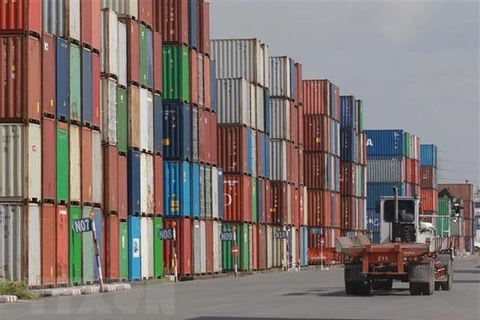
The global shipping industry’s lack of containers left warehouses jammed with cargo for quite some time before exporters were able to load it onto ships, Li said, adding that these circumstances increased the demand for warehouses like never before./.