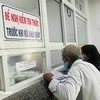
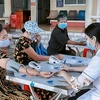
An elderly woman receives COVID-19 vaccine shot in HCM City (Photo: VNA)
 HCM City (VNA) – Ho Chi Minh City, the current largest COVID-19 hotspot in Vietnam, has built a plan on intensifying pandemic fighting measures from August 15 to September 15, which is divided into two periods, from August 15-30 and September 1-9, with specific solutions designed for each periods, in order to realise the goal of putting the pandemic under control by September 15.
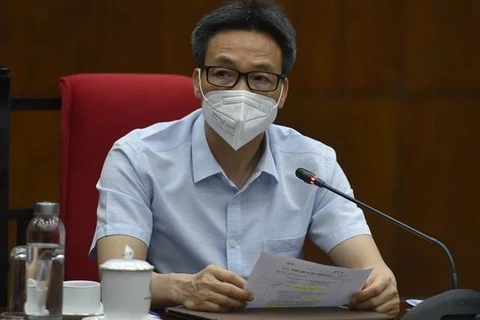
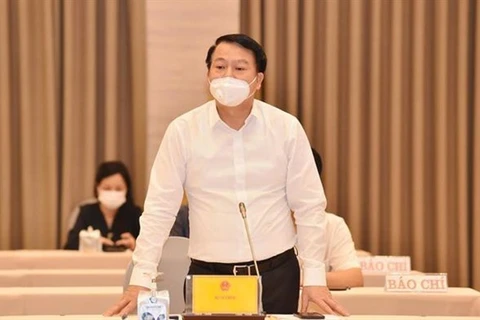
Standing Deputy Secretary of the municipal Party Committee Phan Van Mai released the information at a press briefing on August 13, adding that the city is likely to continue social distancing measures under the Prime Minister’s Directive 16.
According to Mai, from now to August 30, the city will define “green zones” and “red zones” so as to apply suitable pandemic control measures, which must be implemented carefully.
The focal task of the city is to minimise fatalities while ensuring the supply of necessities for residents and maintaining economic production in a safely manner, said Mai.
 COVID-19 treatment (Photo: VNA)
According to Vice Chairman of the city People’s Committee Duong Anh Duc, since August 5, the city has detected more than 3,000 new COVID-19 cases each day, mostly in locked-downed areas. The number of recoveries is nearly 63,000, while more than 32,000 patients are undertaking treatment, including 1,500 in critical conditions, and 16 receiving ECMO support.
The pandemic is developing complicatedly with unsteady signs of reduction in the number of new patients and daily death toll remaining high, he said, adding that after August 15, daily count of new patients may continue to stay above 3,000.
Regarding vaccination progress, he said that the city is speeding up vaccination efforts with the highest number of dose injected in a day reaching more than 318,000.
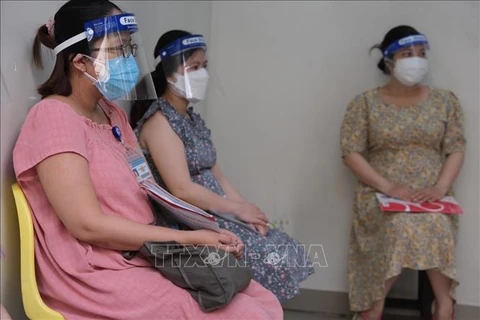
As of August 13, the city has used up most of its allocated vaccines, with more than 4.3 million people receiving one shot and more than 100,000 people receiving full two shots. Duc said that as of August 12, 456,391 people aging from 65 had been vaccinated against COVID-19, 70 percent of the total 650,000 people of this group.
The official proposed that the Ministry of Health continue to support the city in vaccine supplies. Apart from Sinopharm vaccine, the city will continue to negotiate for 5 million doses of Moderna COVID-19 vaccine, he stated./.
The focal task of the city is to minimise fatalities while ensuring the supply of necessities for residents and maintaining economic production in a safely manner, said Mai.
 COVID-19 treatment (Photo: VNA)
 According to Vice Chairman of the city People’s Committee Duong Anh Duc, since August 5, the city has detected more than 3,000 new COVID-19 cases each day, mostly in locked-downed areas. The number of recoveries is nearly 63,000, while more than 32,000 patients are undertaking treatment, including 1,500 in critical conditions, and 16 receiving ECMO support.
The pandemic is developing complicatedly with unsteady signs of reduction in the number of new patients and daily death toll remaining high, he said, adding that after August 15, daily count of new patients may continue to stay above 3,000.
Regarding vaccination progress, he said that the city is speeding up vaccination efforts with the highest number of dose injected in a day reaching more than 318,000.
As of August 13, the city has used up most of its allocated vaccines, with more than 4.3 million people receiving one shot and more than 100,000 people receiving full two shots. Duc said that as of August 12, 456,391 people aging from 65 had been vaccinated against COVID-19, 70 percent of the total 650,000 people of this group.
The official proposed that the Ministry of Health continue to support the city in vaccine supplies. Apart from Sinopharm vaccine, the city will continue to negotiate for 5 million doses of Moderna COVID-19 vaccine, he stated./.
VNA