Flash floods kill at least 14 in Indonesia
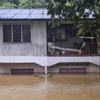
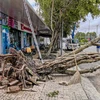
The heavy rain, which began in the early morning of January 5, triggered flash floods on Siau island in the Siau Tagulandang Biaro region, catching many residents off guard.
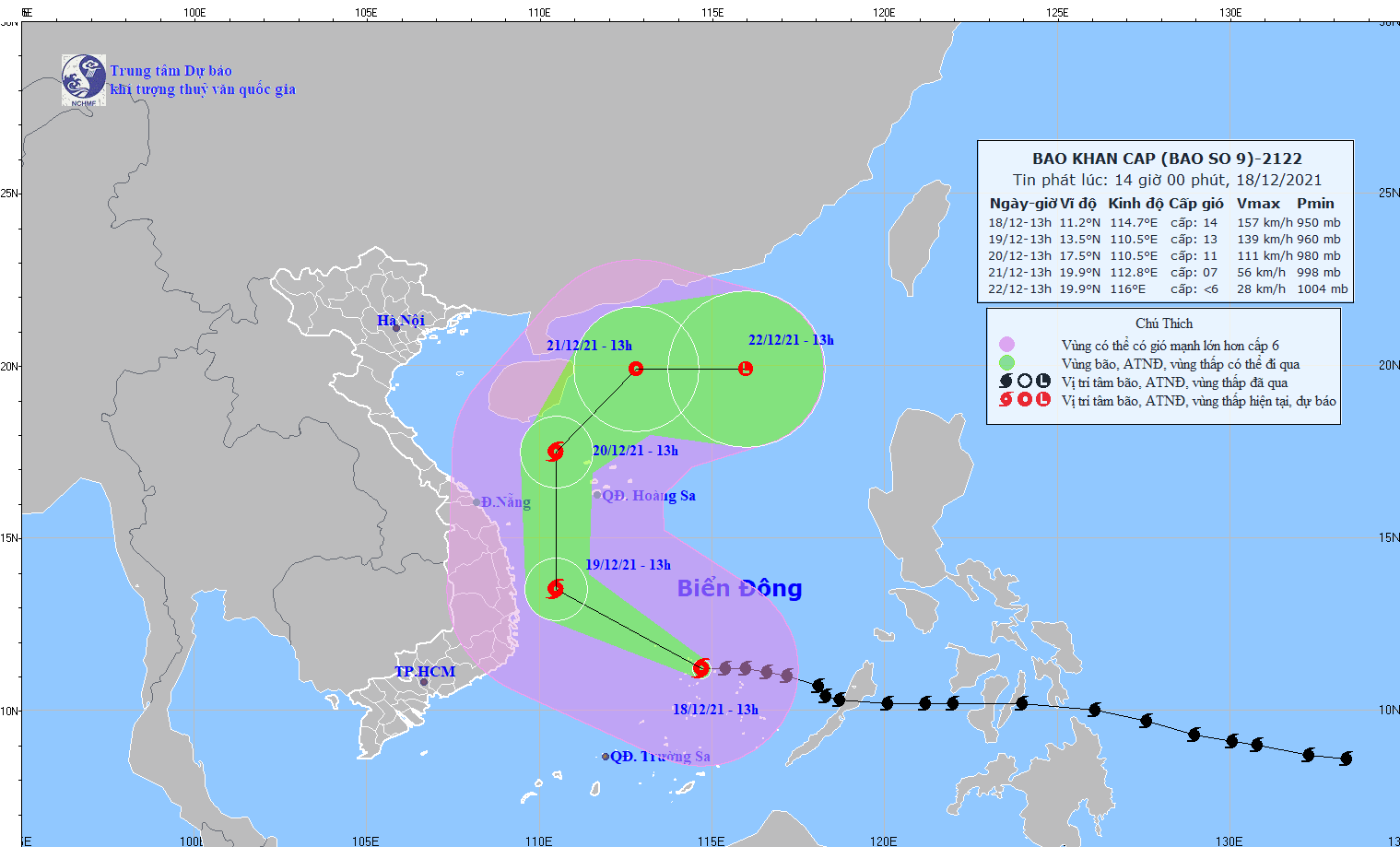
As of the end of last month, the East Sea had seen 15 typhoons and six tropical depressions, making it the year with the highest number of typhoons and tropical depressions on record, surpassing the previous record of 20 in 2017.
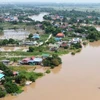
Prolonged heavy rain has caused severe flooding across multiple areas in Khanh Hoa province, isolating communities and forcing rapid evacuations.
The ongoing flooding has caused extensive damage in Khanh Hoa province. Ten people have been confirmed dead while two remain missing and 19 others injured.
Heavy rain from November 17 to 20 is forecast across central Vietnam, raising river levels and posing risks of flooding, flash floods, and landslides in provinces from Ha Tinh to Khanh Hoa, especially Quang Ngai, Dak Lak, and Lam Dong.
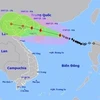
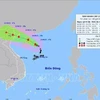
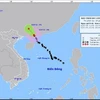
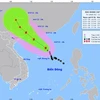
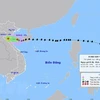
Typhoon Kalmaegi has intensified as it is moving rapidly towards the central East Sea, bringing the risk of strong winds, heavy rain, and high waves to Vietnam’s central region in the coming days.
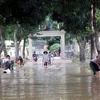
As floodwaters receded, foreigners and residents in Hoi An ancient town are rolling up their sleeves to clean up after days of heavy rain and flooding.
The historic floods have submerged 32 out of 40 communes and wards in Hue, impacting 35,000 households, while Da Nang has seen over 75,000 households inundated.
Fatalities were recorded in six provinces, including Uttaradit and Phra Nakhon Si Ayutthaya in north of Bangkok, which were among the hardest-hit areas.
Preliminary assessments suggest the dam failure resulted from prolonged heavy rainfall, which caused the water flow to surge to 1,572 cubic metres per second, breaking a section of the concrete at the water intake. The collapse also destroyed the central control room and damaged equipment. No casualties have been reported, though property losses are still being assessed.
The meteorological agency warned that all the 124 communes and wards across the province face a very high risk of flash floods along small rivers and streams, landslides in steep terrain and areas with weak geological structures, as well as flooding in low-lying and urban areas.
Early on October 7, the circulation of Typhoon Matmo brought moderate to heavy rain across Hanoi. Meteorological agencies warned that rainfall would persist through the morning, raising the risk of flooding in many parts of the capital.
Between 6am and 11am on October 7, downpour and gale are predicted to persist across Hanoi, with rainfall reaching 40–70mm or even more than 100mm in certain places.
The Thai Meteorological Department (TMD) has forecast heavy rainfall in parts of Thailand over the next 24 hours, particularly in Mae Hong Son, Chiang Mai, Chiang Rai and Tak.
As of 16:00 on September 30, the storm and subsequent flooding had left 27 people dead, 21 missing, and 112 injured across 17 provinces and cities from the northern to central regions.
Department of State Reserves has issued a dispatch to its sub-departments nationwide instructing them to remain on full alert in response to Typhoon Kajiki, the fifth storm arising in the East Sea so far this year.
As Typhoon Kajiki, the fifth tropical storm to hit the East Sea this year, is moving towards north-central coast, authorities in central provinces have activated emergency measures.
The Department of Dyke Management and Natural Disaster Prevention and Control under the Ministry of Agriculture and Environment has released an updated report on the damage caused by typhoon Wipha (locally known as storm No. 3) and subsequent flooding.
At 10am today, July 22, the eye of Storm Wipha made landfall on the northern coast of Vietnam, striking inland between Hung Yen and Ninh Binh, including the former Thai Binh–Nam Dinh coastal zone. The storm packed maximum sustained winds of level 8–9 (62–88km/h), with gusts reaching level 11.
Heavy rains and floods remain the biggest threats for Indonesia in 2025 due to the impact of the La Niña phenomenon, according to the National Disaster Mitigation Agency (BNPB).