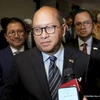
Kuala Lumpur (VNA) – It is still too early to apply “vaccine passport” as there are still many Malaysians who have yet to be vaccinated against COVID-19, said Malaysia's Director-general of Health Noor Hisham Abdullah on June 20.
Less than 10 percent of the Malaysian population have been vaccinated, he said, adding that “vaccine passport” can only be valid if herd immunity is achieved, he noted.
He went on to say that Malaysia needs at least 2 – 3 months to increase vaccine supplies as well as its vaccination rate. Malaysia expects to achieve herd immunity by November or December, he said.
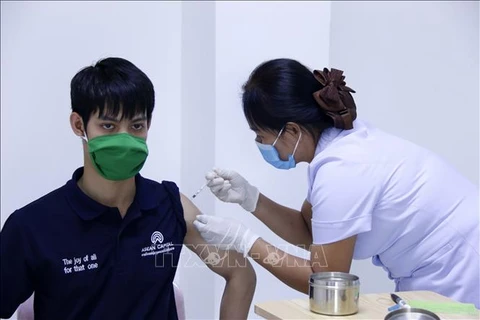
As of June 19, about 5.67 million Malaysians have received COVID-19 vaccines, of who 4.08 million, or 12.5 percent of the population, were given the first shot while 1.58 million are fully vaccinated.
To gain herd immunity, Malaysia targets to inoculate 89 percent of its population or more than 26.1 million people.
On the same day, the Philippine government has signed a supply agreement for 40 million doses of the COVID-19 vaccine developed by the US’s Pfizer/BioNTech in its biggest coronavirus vaccine deal to date.
Deliveries of the vaccine, among several brands of coronavirus vaccines allowed for emergency use in the Southeast Asian country, will begin “after eight weeks starting August,” said Carlito Galvez, head of the government's COVID-19 vaccine procurement.
The Philippines recorded 5,803 new COVID-19 cases over the last 24 hours, raising its national count to 1,359,015.
The country of a 110-million population has had more than 2 million people fully vaccinated so far since its vaccine rollout started on March 1. It aims to inoculate around 70 million people this year./.
Less than 10 percent of the Malaysian population have been vaccinated, he said, adding that “vaccine passport” can only be valid if herd immunity is achieved, he noted.
He went on to say that Malaysia needs at least 2 – 3 months to increase vaccine supplies as well as its vaccination rate. Malaysia expects to achieve herd immunity by November or December, he said.
As of June 19, about 5.67 million Malaysians have received COVID-19 vaccines, of who 4.08 million, or 12.5 percent of the population, were given the first shot while 1.58 million are fully vaccinated.
To gain herd immunity, Malaysia targets to inoculate 89 percent of its population or more than 26.1 million people.
On the same day, the Philippine government has signed a supply agreement for 40 million doses of the COVID-19 vaccine developed by the US’s Pfizer/BioNTech in its biggest coronavirus vaccine deal to date.
Deliveries of the vaccine, among several brands of coronavirus vaccines allowed for emergency use in the Southeast Asian country, will begin “after eight weeks starting August,” said Carlito Galvez, head of the government's COVID-19 vaccine procurement.
The Philippines recorded 5,803 new COVID-19 cases over the last 24 hours, raising its national count to 1,359,015.
The country of a 110-million population has had more than 2 million people fully vaccinated so far since its vaccine rollout started on March 1. It aims to inoculate around 70 million people this year./.
VNA