Hanoi (VNA) – Japanese Prime Minister Shinzo Abe has called on leaders of Asian countries to join hands in resolving the global challenges of reducing plastic waste in the oceans and promoting free trade.
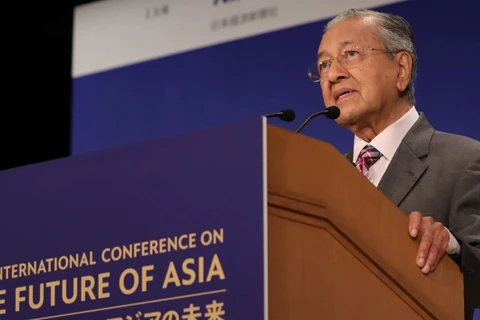
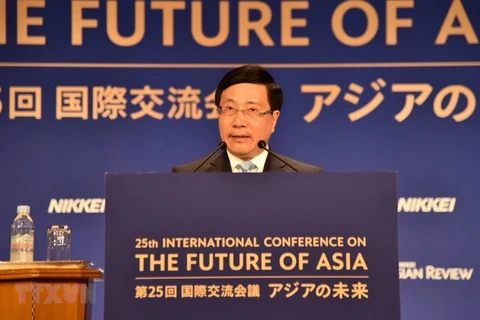
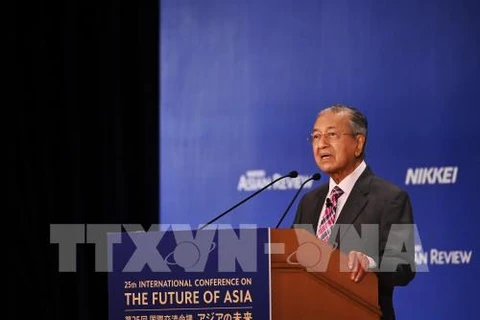
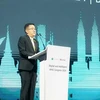
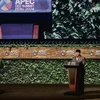
Addressing the 25th International Conference on the Future of Asia in Tokyo on May 30, PM Abe said Japan will establish an international research centre for plastic debris this year. The issue will also be included in the agenda of the G20 Summit, scheduled to take place in Osaka next month.
He affirmed Japan’s determination to work with members of the Association of Southeast Asian Nations (ASEAN) to protect seas.
In his speech, PM Abe also urged the early completion of negotiations on the Regional Comprehensive Economic Partnership (RCEP) so as to create a free trade area in Asia.
The 16 RCEP members, comprising the 10 ASEAN countries along with Australia, China, Japan, India, the Republic of Korea and New Zealand, are aiming to reach an agreement this year after missing a year-end deadline in 2018 due to disagreements over tariffs and other politically sensitive issues.
The Japanese leader also called on countries to maintain the free and open maritime order faithful to the rule of law and to strengthen free trade.-VNA
Addressing the 25th International Conference on the Future of Asia in Tokyo on May 30, PM Abe said Japan will establish an international research centre for plastic debris this year. The issue will also be included in the agenda of the G20 Summit, scheduled to take place in Osaka next month.
He affirmed Japan’s determination to work with members of the Association of Southeast Asian Nations (ASEAN) to protect seas.
In his speech, PM Abe also urged the early completion of negotiations on the Regional Comprehensive Economic Partnership (RCEP) so as to create a free trade area in Asia.
The 16 RCEP members, comprising the 10 ASEAN countries along with Australia, China, Japan, India, the Republic of Korea and New Zealand, are aiming to reach an agreement this year after missing a year-end deadline in 2018 due to disagreements over tariffs and other politically sensitive issues.
The Japanese leader also called on countries to maintain the free and open maritime order faithful to the rule of law and to strengthen free trade.-VNA
VNA