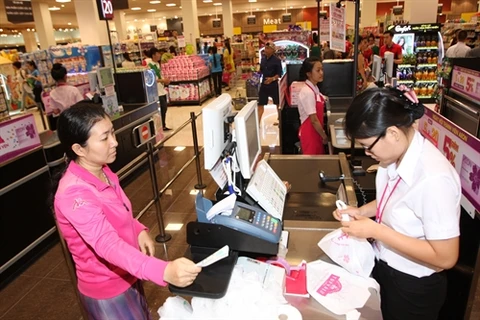
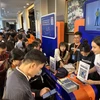
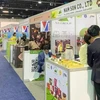
A miniso outlet (Photo: VNA)
 HCM City (VNA) - Miniso, a Japanese lifestyle and fashion brand that sells merchandise such as homeware, bags and electronics at low prices, will soon be in Vietnam through a franchise deal inked with the local Le Bao Minh group.
Le Bao Minh said it is preparing to open the first store in Hanoi and one more after a month. At the end of this year it plans to have 13 stores in Hanoi, HCM City, Da Nang, Vinh, Can Tho, and Hai Phong.
The company, the exclusive distributor of Canon in Vietnam, plans to raise the number of Miniso shops to 200 in Vietnam in the next five years.
In July Takashimaya, the famous Japanese department store chain, opened its first outlet in Vietnam in HCM City's central business district.
Some months ago the Vietnamese retail market heard that the first 7 ‑ Eleven store would open between April 2017 and April 2018, with the world's largest convenience store chain franchising a local player.
The Japanese-owned 7 ‑ Eleven, Inc. has signed a master franchise agreement with the Seven System Vietnam Co Ltd, a new firm founded by a local restaurant chain, to develop and operate its stores in the country.
The expansion into Vietnam marks the company's first stake in the Pacific Rim since 7‑Eleven entered Indonesia in 2009.
The new master franchisee plans to build 7‑Eleven stores supported by enhanced infrastructure and eventually franchise operations to local businesses.
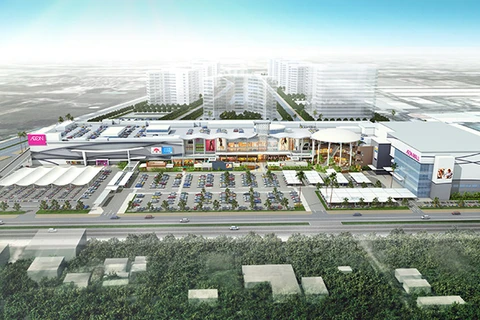
Japanese retail giant Aeon too recently unveiled its ambitious plans for Vietnam: to open 200 megastores of the Aeon Mall chain.
Since its arrival in the country in 2014, the retailer has invested 500 million USD to open four outlets in the country, the latest in HCM City's Binh Tan District in late July.
Aeon also plans to have 100 supermarkets around the country through mergers and acquisitions. It now runs 30 Aeon Citimart supermarkets after acquiring a 49 percent stake in local retailer Citimart in 2014.
The company plans to collaborate with local manufacturers to produce consumer goods under its Top Value brand for both the Vietnamese and overseas markets.
In March Japanese Minister of Economy, Trade and Industry Motoo Hayashi and executives from four giant Japanese retailers, Family Mart, Mini Stop, 7-Eleven and Loson, and 16 other businesses came to Vietnam to explore opportunities to bring Japanese products to the country.
During the visit the minister revealed that small and medium Japanese enterprises would be encouraged to bring their products to Vietnm through the Japanese retail networks in the country.
Analysts said not only Japanese retailers but many others from other countries such as the Republic of Korea and Thailand are ready to enter the Vietnamese market with an eye on its massive potential.
The market is forecast to grow at nearly 12 percent a year to around 179 billion USD in 2020. The country has a population of over 90 million, 60 percent of whom are under 40.
Foreign retailers now have a 59 percent share of the Vietnamese retail market.
Analysts have warned that domestic retailers' market share is likely to come down further, maybe even to zero with foreign businesses taking over completely, if they do not manage to improve their competitiveness.-VNA