Malaysia outlines five initiatives for poverty reduction

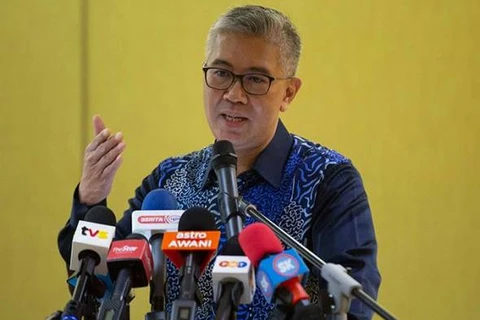
Malaysian Prime Minister Anwar Ibrahim has outlined five initiatives to reduce poverty in the Southeast Asian country.

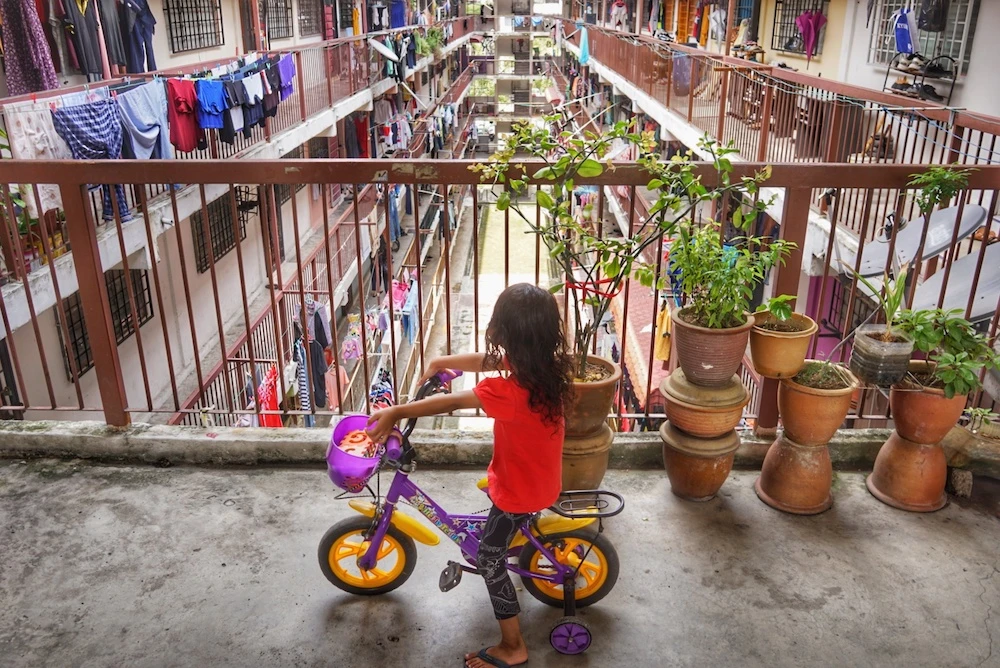
Illustrative photo (Photo: faithour.com)

Kuala Lumpur (VNA) – Malaysian Prime Minister Anwar Ibrahim has outlined five initiatives to reduce poverty in the Southeast Asian country.

The five initiatives are to enhance measurement of poverty, reform poverty eradication funds, unify data, change attitudes and mindsets, and strengthen efforts to end poverty.

In an announcement released on September 30, Anwar said that Malaysia will shift to a more meaningful measurement of poverty based on the concept of Net Disposable Income (NDI) as the basis for identifying target groups for aid distribution.

The NDI will take into account the Basic Minimum Living Expenditure (PAKW), which refers to the cost of living necessary for a decent living, including expenses for food, clothing, accommodation, utilities and transportation, and will vary by location and household demographics.

As for the second initiative, Reforming Poverty Eradication Funds, Anwar said the government is committed to continuing fiscal reforms as part of efforts to restructure the economy towards sustainability. This includes overhauling the subsidy structure to be more targeted, including social assistance and poverty eradication programmes.

For the third initiative, referring to Consolidating Data, continuous efforts will be made by the government to ensure that the database remains integral. All relevant agencies will collaborate by sharing data, information and resources to identify and resolve issues of hardcore poverty.

The fourth initiative refers to changing attitudes and mindsets, while the fifth and final initiative, strengthening efforts to end poverty, refers to using behavioural insights to understand the attitudes and behaviours of target groups in designing programmes to free a community or individuals from the clutches of poverty.

New data from the Department of Statistics Malaysia (DOSM) shows that Malaysia’s poverty rate increased from 5.6% in 2019 to 6.2% in 2022, with 490,000 households falling below the country’s median poverty line.

As of 15 August, the government is still working to lift more than 114,000 households out of extreme poverty.

To end extreme poverty, Malaysia has allocated 1.5 billion MYR (364 million USD) for initiatives and projects that can generate income for targeted communities./.
VNA

See more

Singaporean Prime Minister Lawrence Wong (R) welcomes Thai Prime Minister Anutin Charnvirakul (Photo: thestar.com)

Thailand, Singapore enhance bilateral collaboration

The Thai and Singaporean PMs witnessed the signing of several memoranda of understanding (MoUs), notably an MoU on rice trade cooperation between the two governments, under which Thailand agreed to sell Singapore up to 100,000 tonnes of rice annually.

Indonesia to add 30 urban trains in Jakarta

Indonesia to add 30 urban trains in Jakarta

The addition of new trains is expected to help Indonesia ease traffic congestion, improve the quality of public transport services, and promote sustainable socio-economic development in Indonesia’s most densely populated urban area.

Illustrative image (Photo: Antara)

Indonesia to end diesel imports by 2026

Indonesian Minister of Energy and Mineral Resources Bahlil Lahadalia has reported to President Prabowo Subianto that Indonesia is on track to stop importing diesel fuel by early 2026, marking a major milestone in national energy independence.

Director General of the Metal, Machinery, Transportation Equipment, and Electronics (ILMATE) Industry at the Ministry of Industry Setia Diarta during the Opening of GIIAS Makassar on November 5. (Photo: ANTARA)

Indonesia to downstream EV batteries in two years

Indonesia is projecting the downstreaming of electric vehicle (EV) batteries for motorcycles and cars within the next two years, according to Director General of the Metal, Machinery, Transportation Equipment, and Electronics (ILMATE) Industry at the Ministry of Industry Setia Diarta.

At the launch of the programme. (Photo: nationthailand.com)

Thailand launches programme to reduce healthcare costs for citizens

Under the new Memorandum of Understanding (MoU), private hospitals in Thailand must provide complete and accurate prescriptions listing drug names and usage details. This transparency allows patients to choose whether to buy their medicines directly from the hospital or from registered pharmacies outside.

Illustrative photo (Photo: bangkokpost.com)

Thailand delivers tepid rice export forecasts for 2026

Thailand maintains its export target for next year at 7.5 million tonnes, including 3.5 million tonnes of white rice, 1.7 million tonnes of hom mali rice, 1.4 million tonnes of parboiled rice, 600,000 tonnes of Thai fragrant rice and 300,000 tonnes of sticky rice.

ASEAN Secretary-General Kao Kim Hourn (Photo: Bernama)

ASEAN Secretary-General: Higher education will shape the region’s future

The ASEAN chief revealed that the ASEAN Socio-Cultural Community (ASCC) Strategic Plan designates education as a driver for equity and sustainable development. Its agenda calls for enhancing access to quality education, promoting lifelong learning, and integrating green skills into curricula. In short, academic purpose serves societal and community purpose.

Thailand aims for 129 gold medals at 33rd SEA Games

Thailand aims for 129 gold medals at 33rd SEA Games

At the 32nd SEA Games held in Phnom Penh, Cambodia, from May 5–17, 2023, Thailand ranked second overall with 108 gold, 96 silver, and 108 bronze medals. Vietnam topped the standings with 136 gold, 105 silver, and 114 bronze medals.