Hanoi (VNS/VNA) - The electric vehicle (EV) market in Vietnam is experiencing rapid growth and it’s poised to become a leader in Southeast Asia, according to industry insiders.
In 2023, Vietnam sold over 31,000 electric cars out of more than 300,000 passenger vehicles, marking a significant 10% market share. This impressive growth positions Vietnam as a regional leader in EV adoption, trailing only Thailand in total EV sales.
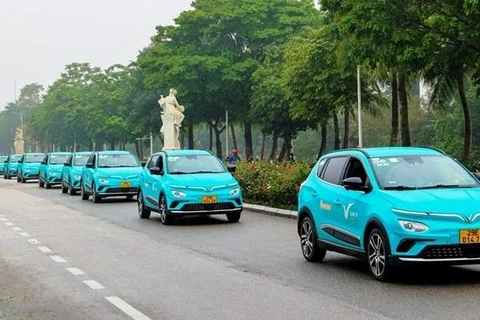
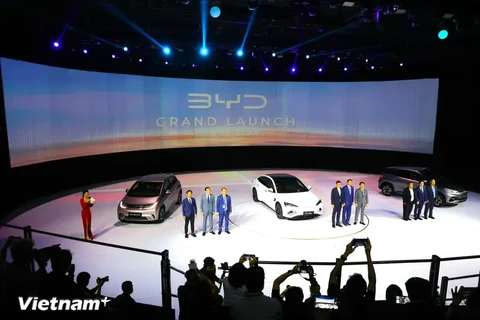
Looking ahead to 2024, the Vietnamese EV market is expected to accelerate further, driven by a range of new entrants and expanding interest in green transportation. The market’s dynamism is exemplified by the success of models like VinFast VF 3, which attracted 27,000 deposits shortly after its release. Furthermore, the shift towards electric taxis is gaining momentum, with predictions estimating that 50,000 electric vehicles will be sold this year, potentially raising the EV market share to nearly 16%, the Vietnam Automobile Manufacturers Association (VAMA) reported.
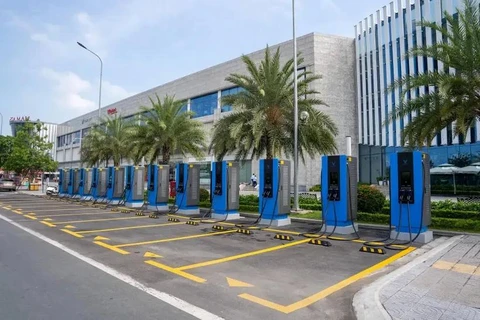
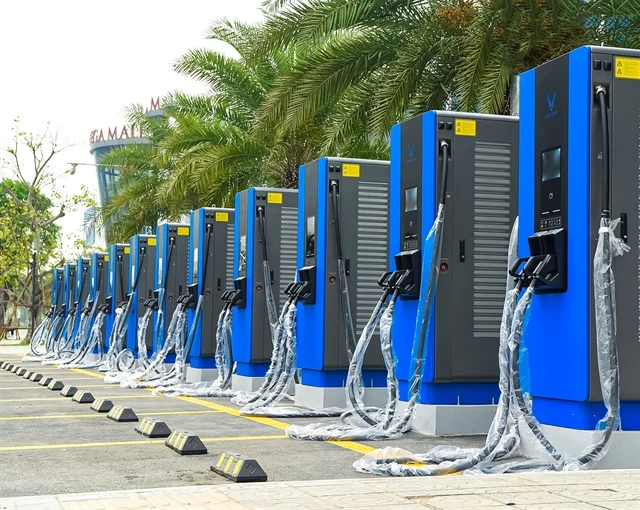
However, the growth of the EV market is closely tied to the development of charging infrastructure. At present, VinFast operates around 150,000 charging ports across 63 provinces and centrally-run cities, which is a solid start but concentrated in certain areas. For urban centres like Hanoi and Ho Chi Minh City, while the existing infrastructure meets current needs, it may require expansion to support future growth. The current coverage in shopping centres, entertainment venues, hotels and restaurants is still insufficient, indicating a need for more localised charging solutions.
The current infrastructure investment dynamics reveal a cautious approach from new EV brands and charging station developers. Many new entrants rely on independent investments rather than creating their own charging networks. This lack of substantial support from charging infrastructure providers means that businesses are shouldering most of the risk without clear forecasts for demand.
This situation creates a classic chicken and egg problem. Increased charging infrastructure is needed to boost EV adoption, but investing in it without guaranteed demand poses a financial risk.
To overcome this barrier and support the EV market’s growth, there needs to be a strategic and supportive policy environment. Clear, consistent mechanisms and incentives are essential to encourage investment in charging stations. Without these, the expansion of charging infrastructure may lag behind the growing number of electric vehicles, potentially stalling market growth and consumer adoption.
Ultimately, a well-developed charging infrastructure will make electric vehicles more convenient and appealing to potential buyers, supporting Vietnam’s green transformation goals and contributing to a sustainable future.
On August 10, the Government Office issued Notice No. 372/TB-VPCP, summarising Deputy Prime Minister Tran Hong Ha’s directions on advancing green vehicle development and the expansion of green vehicle charging infrastructure. The notice underscores the pivotal role of green energy in achieving Vietnam's green growth objectives and international commitments.
The transition to green energy is crucial for fulfilling Vietnam’s green growth goals and its international commitments.
Decision No. 876/QĐ-TTg, issued on July 22, 2022, outlines an Action Programme for reducing carbon and methane emissions in the transport sector, aiming for net-zero greenhouse gas emissions by 2050.
Various ministries and local authorities have made initial progress in converting road vehicles to green energy. However, efforts have lacked focus and clear outcomes.
To lead a review of the Action Programme outlined in Decision No. 876/QD-TTg, it should address the implementation status, challenges and propose solutions. It should also propose a management mechanism and necessary amendments to the decision.
There is a need to review and propose preferential policies to support green vehicle adoption and charging infrastructure, including support for inter-provincial electric buses.
Deputy PM Ha also asked the Ministry of Trade and Industry soon to submit the Government with amendments to Decision No. 28/2014/QD-TTg on electricity pricing, focusing on the impact of support mechanisms for electric charging stations.
Amending regulations and standards for apartment buildings and commercial centres to include provisions for electric vehicle charging systems should be completed by December 31 this year.
The Ministry of Construction, in coordination with other ministries and local governments, must ensure the integration of public electric charging stations in urban planning to support green vehicles. Guidelines must be finalised by August 2024.
The Ministry of Science and Technology is tasked with establishing standards for electric vehicle plugs, sockets and charging cords by August 2024.
Relevant ministries and localities need to review and update planning documents and policies to support green transport infrastructure development.
Ministries are required to review current implementations and propose necessary adjustments, reporting findings and recommendations to the Prime Minister by specified deadlines. They need to develop and propose policies to incentivise the use of green vehicles and support infrastructure development, including inter-provincial electric buses./.