Hanoi (VNA) – Many museums in Vietnam have adopted innovative and engaging approaches to further attract visitors in the digital era.
The Vietnam Military History Museum is the largest museum in terms of area and scale. Opening over one month ago, the museum has drawn significant public interest partly due to its modern exhibition system and the way it vividly portrays major historical milestones of the nation.
The museum’s displays, particularly those depicting significant victories such as Dien Bien Phu and the Ho Chi Minh Campaigns, leave a lasting impression through the integration of history and modern presentation technology.
Nguyen Quang Thai from Hanoi’s Tay Ho district said that he has visited the museum twice and is very impressed by its unique exhibition style, which utilizes technology to narrate historical stories in an engaging manner for both adults and children.
The Quang Ninh Museum in the northeastern province of Quang Ninh has become a popular tourist destination, generating substantial revenue from tourism and becoming the first provincial museum in Vietnam to achieve full financial autonomy.
Its iconic architecture and modern display technologies, along with regular creative cultural events, have attracted many visitors.
In Hanoi, the Vietnam Museum of Ethnology is another successful model, offering vibrant experiential activities and unique outdoor exhibits that recreate the lifestyles of various Vietnamese ethnic groups.
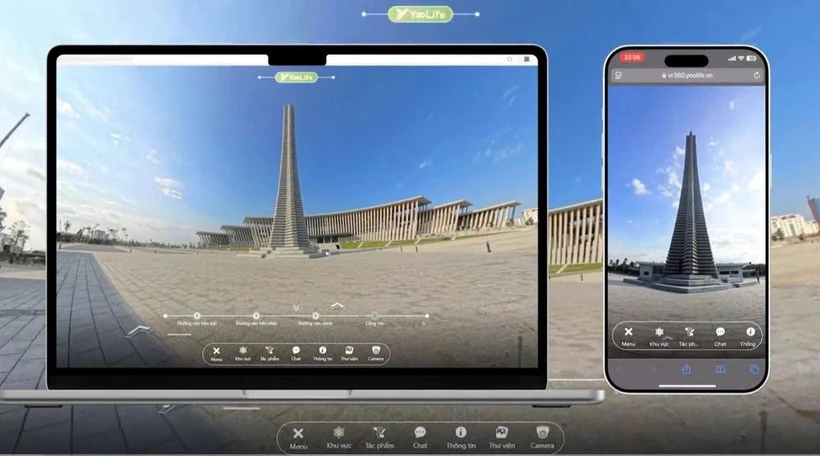
Meanwhile, the National Museum of History and the Vietnam Fine Arts Museum lead the way in integrating digital technologies, implementing virtual reality displays to enhance visitor experiences.
New values for museums
According to the Ministry of Culture, Sports, and Tourism, Vietnam currently has 188 museums, including 128 public and 60 private, housing over 4 million artifacts, many of which are historically and culturally significant. While some museums excel in attracting visitors and becoming cultural and tourist hotspots, many still struggle to meet the expectations of their audiences.
Nguyen Tien Da, Director of the Hanoi Museum, said that in the context of rapid digital development, digital transformation can enhance operational effectiveness and create new experiences for visitors. To increase appeal, museums must not only focus on exhibiting artifacts to preserve heritage but also organise meaningful cultural events and activities.
The Hanoi Creative Activities Coordination Centre has been launched at the Hanoi Museum, which provides a new impetus for the museum to enhance its value and become a creative space in the capital.
Phung Quang Thang, Chairman of the Vietnam Sustainable Tourism Investment and Development JSC, suggested that museums should frequently change exhibition themes to become distinctive creative spaces. They need to enhance their value through practical experiential activities, he added.
Dr. Nguyen Viet, Director of the Southeast Asian Prehistory Centre, recommended museums expand their themes and collaborate with private collectors to enrich their collections.
“Many private collectors possess rare artifacts. Museums should establish cooperative mechanisms to acquire these items, enriching their exhibition content,” Viet said.
The National Assembly on November 24 passed the revised Cultural Heritage Law with new responsibilities for museums added. Museums now not only collect, preserve, and exhibit artifacts but also interprete, educate, and promote cultural heritage. This requires museums to boldly innovate their management, operations, exhibition organisation, and promotion strategies, thereby enhancing their role in contemporary society./.