Phong Nha–Ke Bang, often referred to as the “kingdom of caves”, is home to more than 425 discovered ones, around 50 of which have been opened to tourists.
Participating teams, each comprising three to four members, are tasked with photographing as many wild bird species as possible within the official competition period. While artistic quality is not mandatory, images must be clear enough for species identification, ensuring authenticity and avoiding any disturbance to natural habitats.
At around 11 pm on April 19, Nguyen Van Nghia, a resident of Bao Vi hamlet, Tan An commune, discovered the turtle entangled at the bottom while checking fishing nets. Nghia and local fishermen promptly rescued the animal.
Amid Vietnam’s push to meet its greenhouse gas reduction commitments, DEPP3 has emerged as a key lever, providing technical and policy support through the Voluntary Agreement Scheme (VAS).
At around 8:30 pm on April 12, Le Thanh Tung, a resident of Thuong Nghia hamlet in Cam Lo commune, and his friend spotted the two pangolins, weighing over 4 kg, while working near the Cam Lo–La Son Expressway.
Unlike ecosystems where species inventories are largely complete, Phong Nha–Ke Bang National Park remains scientifically “open,” with each survey revealing new findings. Recent studies - from local research projects to international collaborations - have recorded additional bird species and identified the rare parasitic plant Sapria himalayana, which only survives in intact primary forests.
Director of the Ly Son Marine Protected Area Management Board Huynh Ngoc Dung said the release of the sea turtle took place on April 10 morning, drawing the attention of visitors exploring the island.
All unusual weather events, from widespread thunderstorms, lightning strikes, landslides, flash floods, tropical depressions to strong winds at sea, are continuously updated from official data sources of the NCMHF and meteorological stations and prominently displayed on the main interface.
Looking further ahead, April is expected to bring above-average temperatures nationwide, with the north and central provinces forecast to run around 1.5 to 2.5 degrees higher than seasonal norms. Other regions are likely to be between 0.5 and 1.5 degrees warmer than usual.
Six spot-billed pelicans were spotted in the strictly protected A1 zone, landing in the wetland area to forage for food.
After the two major cities in 2027, the scheme will expand to other cities from July 1, 2028, and to the remaining provinces from July 1, 2030.
Funded by the Multilateral Fund for the Implementation of the Montreal Protocol and implemented through the World Bank (WB) and the United Nations Environment Programme (UNEP), the project aims to help Vietnam meet its international commitments in managing and phasing out controlled substances. It will run from 2026 to 2031 with a total budget of over 13 million USD.
All the four species are classified under Group IB – Vietnam’s highest level of protection for endangered, rare, and precious wildlife, and listed as Endangered (EN) on the IUCN Red List.
Vietnam’s forest coverage rate remained stable at 42.03% in 2025, with total forest area estimated at 14,971,553 ha, according to the Ministry of Agriculture and Environment (MAE).
The funding will be reinvested to strengthen the policy system, institutional capacity, and enforcement of forest protection measures.
Local authorities have promptly mobilised forces to assist affected residents, provide relief, and help stabilise livelihoods while continuing to assess and compile damage reports.
In agriculture and environment, WB-funded projects have made practical contributions to irrigation systems, water resource management and rural water supply, particularly in the Mekong Delta. These efforts have helped ensure water security, dam safety and sustainable development.
Experts at the workshop described wetlands as the “ecological heart” of the Mekong Delta, playing a vital role in water storage and regulation, climate moderation, carbon sequestration, biodiversity conservation, and livelihoods for millions of people through aquaculture, agriculture, and ecotourism. These ecosystems also help reduce disaster risks and enhance climate resilience.
Several rare marine species have recently been found washed ashore along the coast of Lam Dong province, drawing public attention.
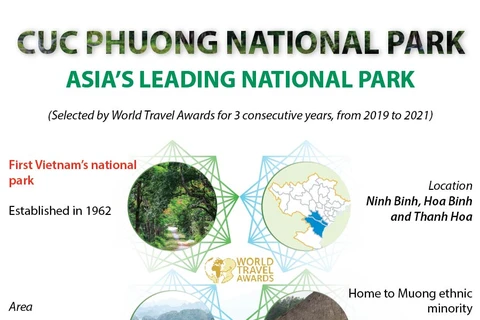
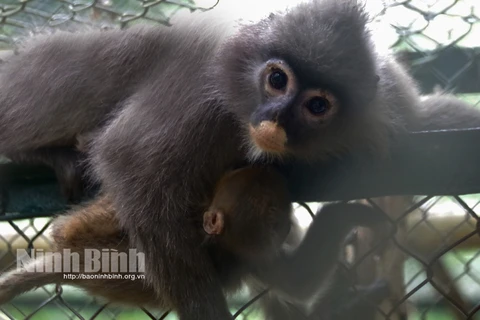
Under the Cuc Phuong Rewilding Action Plan 2026–2035, with a vision to 2050, the initiative aims to transform the park into a natural gene bank capable of supplying wildlife populations to other protected areas nationwide.