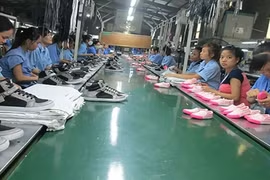
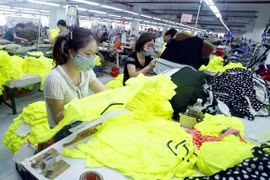
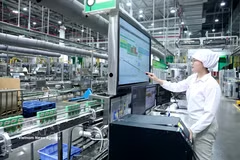
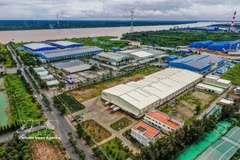
Inside a bag factory of An Phat Bioplastics JSC (Photo: tinnhanhchungkhoan.vn)
Hanoi (VNS/VNA) - The global spread of COVID-19 has had aninsignificant impact on An Phat Bioplastics JSC’s performance in the firstthree months, shareholders were told on March 25.
According to An Phat Bioplastics’ general director Nguyen Le Trung, bagproduction has not declined so far this year as the company produces bags forthe food sector – in which market demand is still stable.
Total production was up 7.6 percent year on year. In February, production wasup by 956 tonnes and revenue from bag exports rose 10 billion VND (427,460 USD)to 358 billion VND, Trung said at the annual shareholders’ meeting.
The pandemic has shut down many plants in China while market demand stays high,so the company has received orders from foreign sellers for consumer goods, DinhXuan Cuong, a member of the board of directors, said.
The company is also well-known for plastic production. Oil products are keymaterials for its production, but oil prices should not affect the firm’splastic output.
Oil prices have tumbled about 60 percent since the beginning of the year as thepandemic has increased worries about a global economic recession, leading tothe collapse of oil prices.
The company has low inventory of plastic output, while the decline in theprices of oil, as a key production material, has helped the company lowerselling prices, Cuong said.
Trung was confident the firm would reach its earnings targets set for 2020 andthe pandemic will have little impact on its operation.
In 2020, An Phat Bioplastics plans to record 10 trillion VND in total revenue,unchanged from 2019’s figure.
But post-tax profit is forecast to rise 12 percent on-year to 550 billion VND in2020.
The company in 2019 earned 9.26 trillion VND in total revenue and 491 billion VNDin total post-tax profit, up 15.5 percent and 131 percent on-year.
An Phat Bioplastics also wants to make a 15 percent dividend payment for 2020.
The company this year will buy back 25.7 million shares and sell the shares toa strategic investor.
Shareholders have also approved the company raising the foreign ownership capto 100 percent and allowing the parent firm – An Phat Holdings JSC – to up itsstake to maximum 65 percent from 48.08 percent without making a public offer.
An Phat Bioplastics shares (HoSE: AAA) lost 1.9 percent to trade at 10,400 VND apieceon March 26./.
VNA