A farmer in Mekong Delta's Vinh Long province harvests rice. Vietnam ranks 15th among countries exporting rice to the UK. (Photo: VNA)
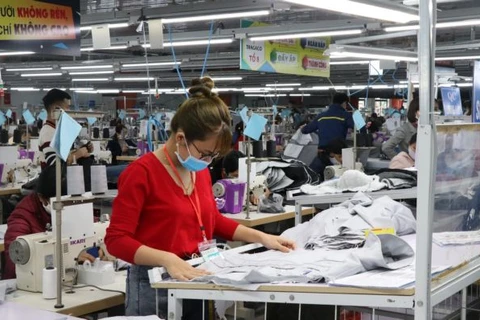
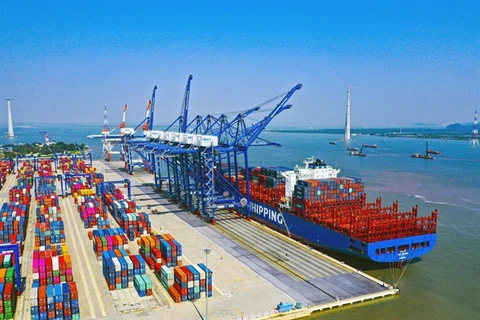
 Exports of agricultural, forestry and fishery products to the UK have recorded positive results after the UKVFTA took effect, according to the Trade Promotion Department of the Ministry of Industry and Trade.
In the first six months of 2022, Vietnam's revenue from coffee exports to the UK more than doubled from the same period last year to reach nearly 62 million USD.
Nguyen Khanh Ngoc, Deputy Director of the ministry's European-American Market Department, said the reduction of the import tax to zero per cent after January 1, 2021, had helped many Vietnamese products to have a more competitive advantage in comparison with the same products of other countries exporting to the UK.
Affirming that the UKVFTA is a great opportunity for Vietnamese export businesses, Trade Counsellor at Vietnam's Embassy to the United Kingdom Nguyen Canh Cuong said Vietnamese businesses still faced many obstacles in seeking partners and meeting quality standards and export procedures needed to export products to the UK as well as risks relating to contracts, payment and prevention measures.
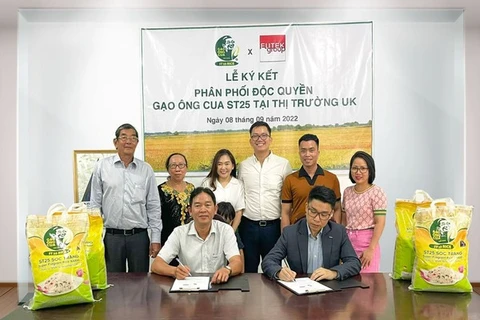
"Rice has huge potential in the UK market but has not yet been fully exploited. The volume of rice exported to the UK is still much lower than the demand of UK importers and the ability of Vietnamese export businesses," he said.
In order to increase the market share of Vietnamese products in the UK, experts recommended that Vietnamese businesses produce products in line with the quality standards of the UK, master export procedures to the UK and improve product quality by investing more in preservation technology and transportation.
They also proposed paying more attention to trademark registration and protection in the UK, proactively getting access to giant distribution corporations of the UK and actively building and developing a network of Vietnamese businesses in the UK to connect and introduce partners for Vietnamese businesses.
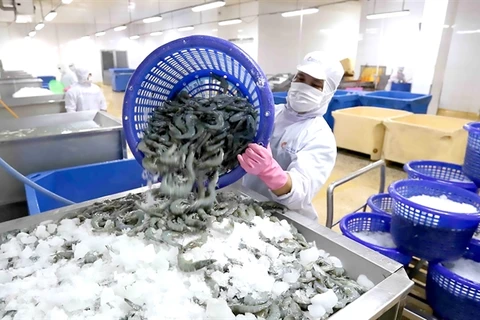
In the field of seafood, Deputy General Secretary of the Vietnam Association of Seafood Exporters and Producers (VASEP) Nguyen Hoai Nam said the UKVFTA with preferential tariffs had brought many competitive advantages for Vietnamese seafood products. In order to effectively exploit the UK market, and in particular tapping opportunities from the UKVFTA, Vietnamese exporters, processing businesses and farmers needed to resolutely abide by regulations on product traceability.
He also pointed to the need to ensure seafood product quarantine requirements and food safety and hygiene in the whole process of preserving and processing of fishery products to meet the import requirements of other countries.
Businesses needed to pay attention to their social responsibility, particularly in sustainable development, labour rules and environmental protection, he added.
Among Southeast Asian countries that exported rice to the UK in 2021, Vietnam enjoyed the highest average unit price at 1,012 USD per tonne, while rice from Thailand, Cambodia and Myanmar stood at 999 USD, 991 USD and 502 USD per tonne, respectively, according to the VASEP.
Vietnamese rice in the UK is mainly sold to the Vietnamese community and part of the Chinese, Thai, Malaysian, and Filipino communities. Popular Vietnamese rice brands in the UK include Golden Lotus Premium Jasmine Rice, Longdan Rice, Buffalo Saigon Fragrant Rice and Buffalo Brand Northern Vietnam Glutinous Rice.
Vietnam ranks 15th among countries exporting rice to the UK, making up a modest 0.42% of the total import turnover to this country, according to Trade Counsellor of the Vietnamese Embassy to the UK Cuong.
However, in order to turn potential into reality, he recommended Vietnamese farmers and rice exporters thoroughly apply Global GAP on a large scale while promoting the production of high-quality fragrant rice.
He suggested the Crop Production Department, the Plant Protection Department and authorities of provinces with large rice-growing areas implement programmes to support farmers in rice varieties, safe agricultural materials, milling and rice storage before exporting.
To support Vietnamese businesses to export products to the UK, Deputy Director of the Trade Promotion Department Bui Thi Thanh An said the Government had national brand programmes, and the department would continue supporting businesses to promote their brands via trade promotion programmes.
The department would also assist businesses to connect with partners as well as provide guidelines to help them successfully export products to the UK and other international markets.
Director of the WTO and Integration Centre of the Vietnam Chamber of Commerce and Industry Nguyen Thi Thu Trang said it was necessary to have measures to help businesses get access to the market, connect with partners, improve product quality and meet standards and requirements of the UK market. Management agencies need to create mechanisms and simplify administrative procedures to create the best conditions for businesses./.
VNA