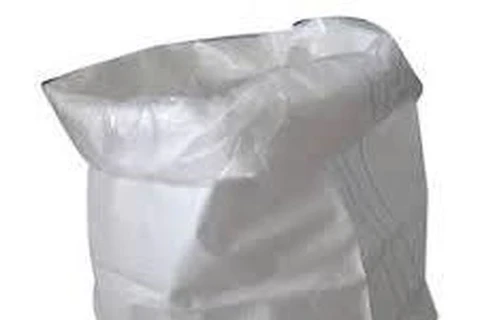
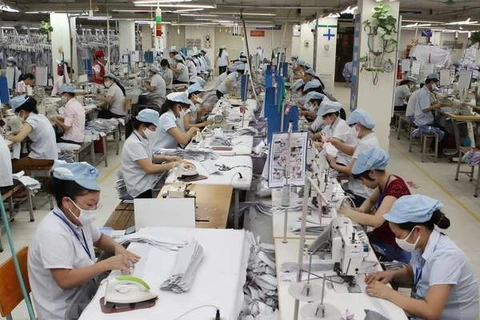
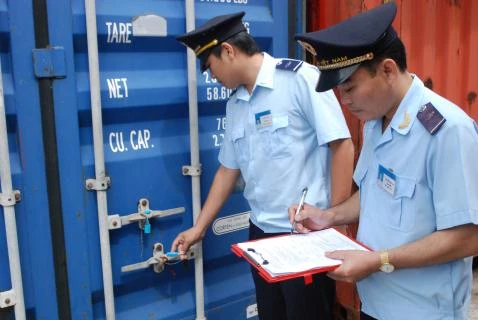
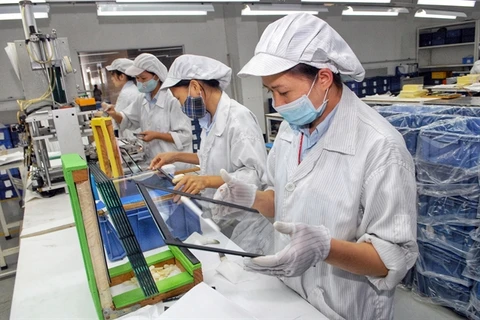
MoIT sets official anti-dumping tariff on some BOPP film products from China, Thailand and Malaysia (Photo: thoibaotaichinh.vn)
 Hanoi (VNS/VNA) - The Ministry of Industry and Trade (MoIT) has applied anti-dumping measures on some products with biaxially oriented polypropylene (BOPP) film originating from China, Thailand and Malaysia.
From July 23, several products with BOPP film from those countries will be taxed from 9.05 percent to 23.71 percent in the local market.
After requests from the domestic industry in April 2019, the MoIT started investigating the products from August last year. The investigation was carried out in accordance with the provisions of the World Trade Organization, the Law on Foreign Trade Administration and related regulations.
On March 18 this year the ministry issued a decision to apply provisional antidumping duties.
According to the MoIT’s surveys and assessments, due to the cheap products from abroad, the local BOPP film industry has been suffering significant losses in recent years with severe declines in sales volume, revenues, profits, market share and production capacity. The investigation found the dumping margin of imported goods is determined to be from 9.05 percent to 23.71 percent.
As a result, the ministry issued a decision to apply official anti-dumping duties to minimise the damage to the manufacturing industry.
The MoIT said it set official anti-dumping duty rates basically lower than the preliminary tariffs previously applied in March to balance the interests of the local manufacturing industry and benefits of consumers and industries using BOPP film products.
It also excluded some special BOPP film products from the list of anti-dumping measures as local manufacturers do not yet produce them.
The anti-dumping measures will be effective for five years./.
From July 23, several products with BOPP film from those countries will be taxed from 9.05 percent to 23.71 percent in the local market.
After requests from the domestic industry in April 2019, the MoIT started investigating the products from August last year. The investigation was carried out in accordance with the provisions of the World Trade Organization, the Law on Foreign Trade Administration and related regulations.
On March 18 this year the ministry issued a decision to apply provisional antidumping duties.
According to the MoIT’s surveys and assessments, due to the cheap products from abroad, the local BOPP film industry has been suffering significant losses in recent years with severe declines in sales volume, revenues, profits, market share and production capacity. The investigation found the dumping margin of imported goods is determined to be from 9.05 percent to 23.71 percent.
As a result, the ministry issued a decision to apply official anti-dumping duties to minimise the damage to the manufacturing industry.
The MoIT said it set official anti-dumping duty rates basically lower than the preliminary tariffs previously applied in March to balance the interests of the local manufacturing industry and benefits of consumers and industries using BOPP film products.
It also excluded some special BOPP film products from the list of anti-dumping measures as local manufacturers do not yet produce them.
The anti-dumping measures will be effective for five years./.
VNA